UAE-UK Business Jet Charter Corridor Valued at US$159m-$205m a Year; 2026 Hours Seen Down About 26% After Gulf Conflict
Why It MattersThe estimate shows a charter lane tied to one hub system absorbing airspace, fuel and war-risk shocks at once, with traffic and aircraft shifting toward the UK and Istanbul.
What happened
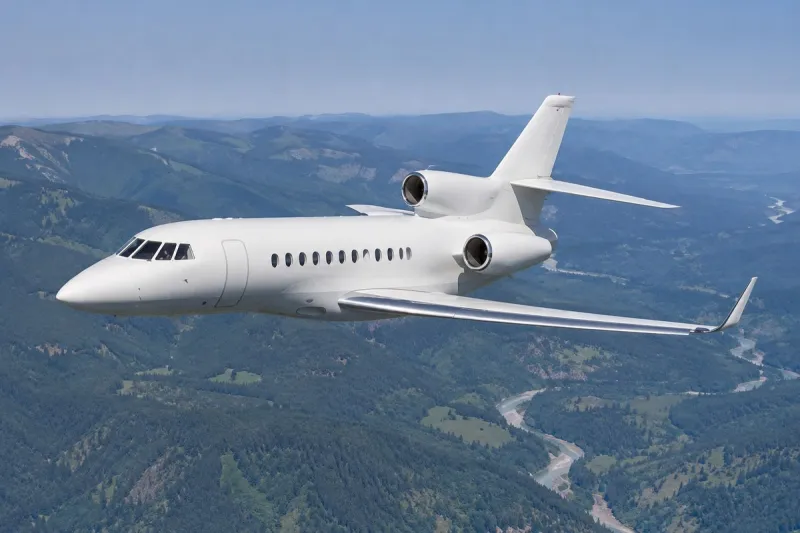
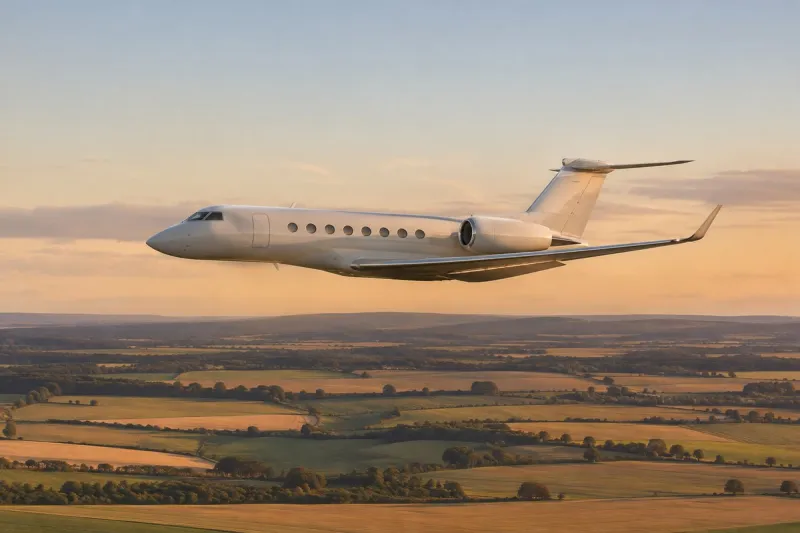
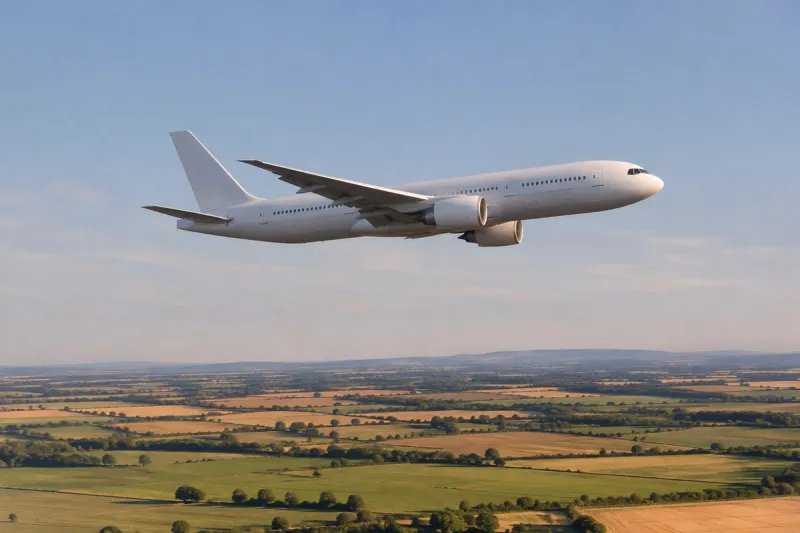
An AvBuyer analysis by René Armas Maes estimates the UAE-UK business jet charter market at US$159m-$205m per year in gross retail value, blended across 2023-2025. The scope covers commercially operated A6-, T7- and G-registered business jets flying point-to-point between the UAE and the UK. Turboprops, government, medevac and owner-only flights, and beyond or behind traffic, are excluded.
Three methods were used. Method A monetizes observed charter hours, sourced from WingX and ARGUS TRAQPak, at benchmark gross retail rates and gives about US$157m-$197m per year. Method B sets a cost-recovery floor using a conservative 15% margin that excludes overheads, at about US$125m-$144m per year. Raising the utilization base from 525 hours to 650 or 750 hours lowers fixed cost per hour by roughly 19% and 30% respectively. Method C reconstructs hours from movement counts and assumed stage lengths as a cross-check and yields a wider US$182m-$230m per year.
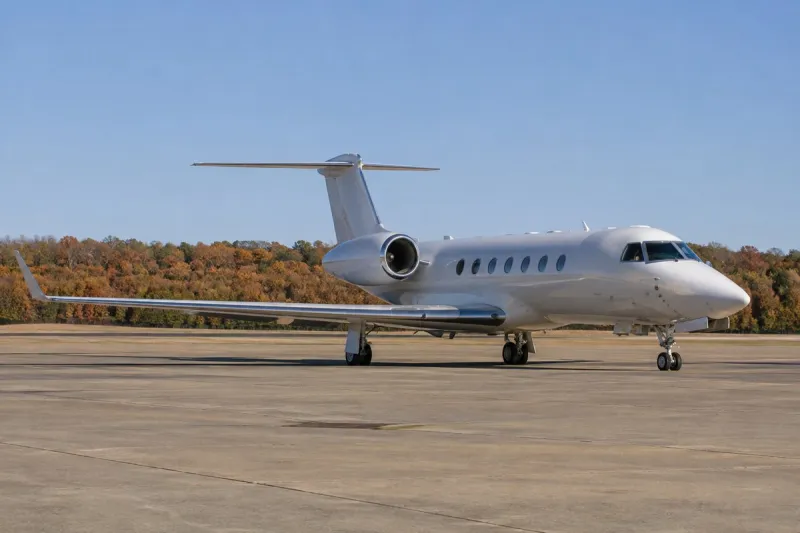
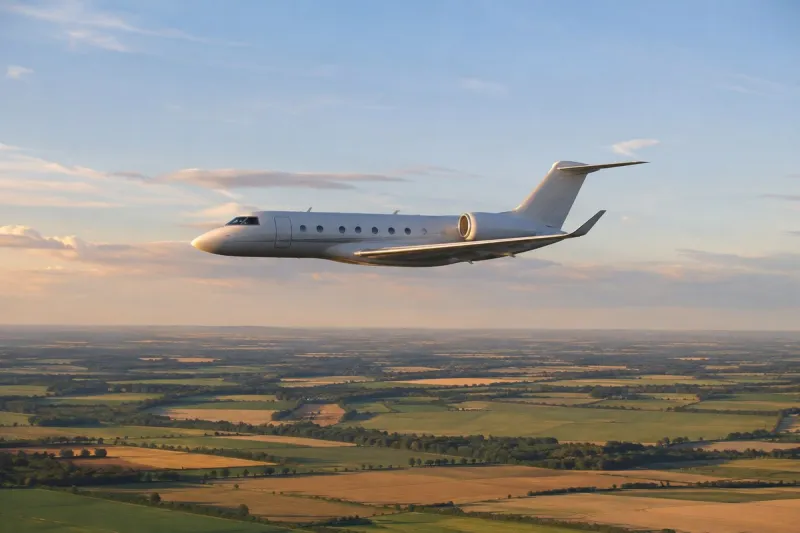
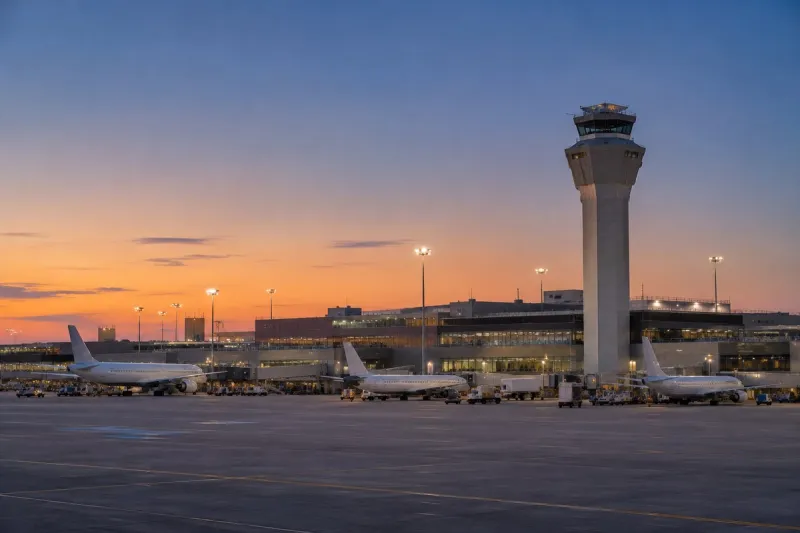
The corridor is seasonal. ARGUS TRAQPak and WingX data for 2023-2025 show June to September accounts for 41% of annual charter hours, with July usually the strongest month and January and February the weakest. March, April and November are shoulder months, and December is a premium shoulder month. Activity is concentrated in a Dubai-Abu Dhabi to London system, and Ultra Long Range and Large Cabin Jets dominate the lane.
A regional conflict that began in February 2026 disrupted Gulf airspace, airports and fuel markets. WingX data show Gulf business jet fuel uplift fell 31% against a 42% drop in flights, and UAE business jet departures fell 38% in January-August, with Al Maktoum (DWC) down 34% and Al Bateen down 33%. Dubai-London business jet departures fell 19% over January-August, while Istanbul-London rose 6%. Of 317 jets based in the Gulf before the conflict, 77 have relocated, 19 of them to the UK, mainly Farnborough, Luton and Stansted. OAG data show UAE-UK premium seats about 5% above the 2025 daily average.
Hours and value lost in 2026
Applying these proxies to the monthly hour profile, UAE-UK business jet hours in January-September 2026 are estimated at 19% to 35% below the same period of 2025, with a central estimate near 26%. That equates to roughly US$23m-$54m of gross retail value.
War-risk surcharges of US$5,000-$50,000 per flight, per WingX, and higher fuel costs added to trip costs. WingX winter scenarios for Gulf business jet flights range from flat to 5% below the 2023-2025 level, 27-28% lower if the stalemate persists, and 56-62% lower in a re-escalation.
Industry impact & what to watch
The case shows how concentrated a charter corridor can be. When most activity runs through one Dubai-Abu Dhabi to London system and is carried by large-cabin and ultra-long-range jets, a regional shock reaches fuel, airspace and pricing together. Departures from the UAE fell sharply while Istanbul-London grew, and some Gulf-based aircraft moved to UK airports, which suggests demand and capacity can be rerouted rather than simply lost.
The analysis also shows why value estimates for this kind of market span a wide range. Methods built on observed hours, cost recovery and reconstructed movements each return different figures, and the cost-recovery floor is sensitive to how many hours an aircraft flies in a year. The author concludes that operators with diversified basing are better placed to absorb that volatility.
The next marker is the winter season. The three WingX scenarios, running from flat to 56-62% lower, will be settled by whether the stalemate holds or the conflict re-escalates.