Dozens of flights lose GPS off Sweden in suspected jamming, with a Russian ship suspected
Why It MattersSuspected ship-based jamming extends GPS interference beyond fixed land sources like Kaliningrad, so airspace risk now moves with shipping lanes, and crews depend on non-satellite navigation backups.
What happened
Dozens of flights lost GPS signals from suspected jamming during a sharp spike in satellite interference off the coast of Sweden over the weekend of 21 and 22 November. Modelling by aviation analytics site Hexbird shows that up to 43 per cent of flights near Stockholm's Arlanda airport were affected at any one time during bursts of interference across Saturday and Sunday.
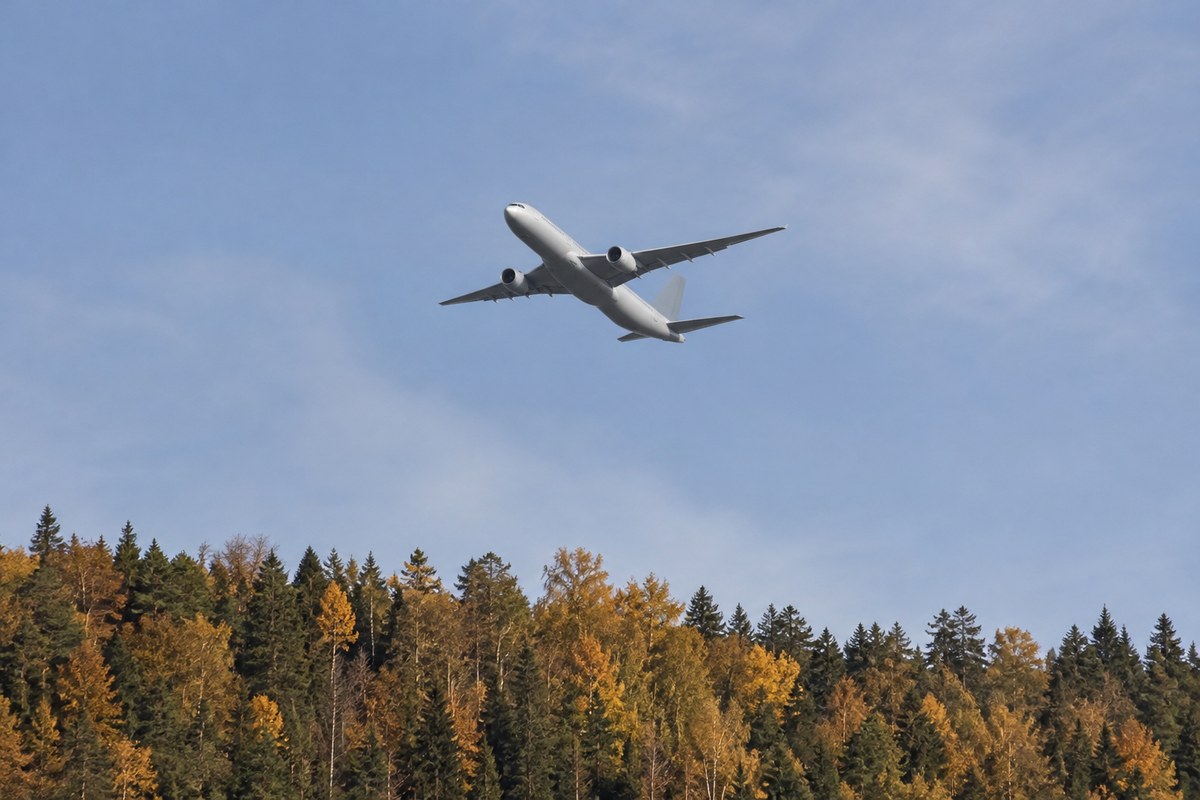
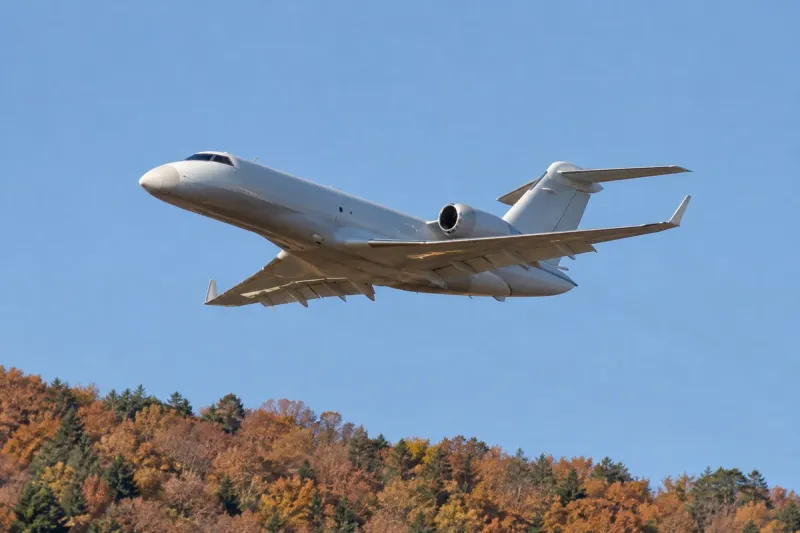
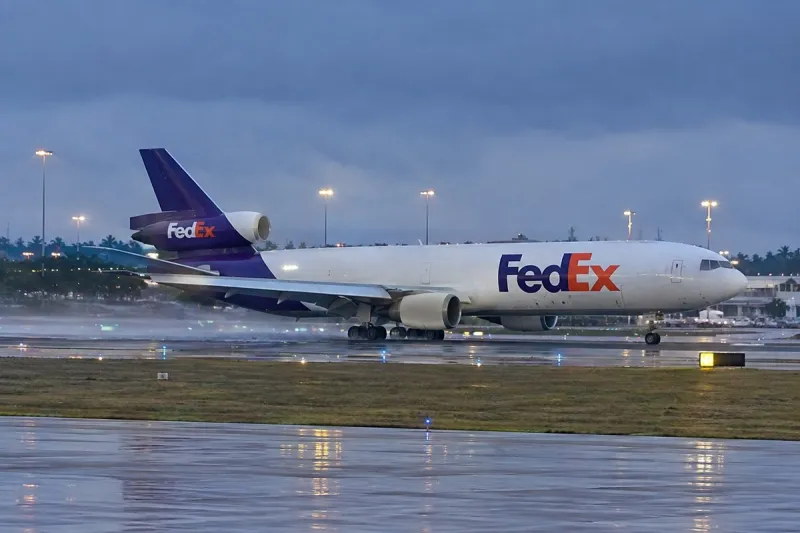
Affected services included a Ryanair flight from Kaunas to Liverpool, an airBaltic flight from Riga to Gatwick, and a Finnair flight from Helsinki to Heathrow. Pilots over that part of the Baltic reported disruptions to satellite navigation, according to Luftfartsverket, the Air Navigation Services of Sweden, but no impact on flight safety was reported.
Aviation researcher auonsson, who first identified the increase in interference over Stockholm, said analysis so far pointed to a ship in the Baltic Sea as the source. Andreas Holmgren, head of the Swedish Transport Agency's aviation and maritime department, called the extent of the jamming "serious" and said it was the first time interference had reached so far north in Sweden.
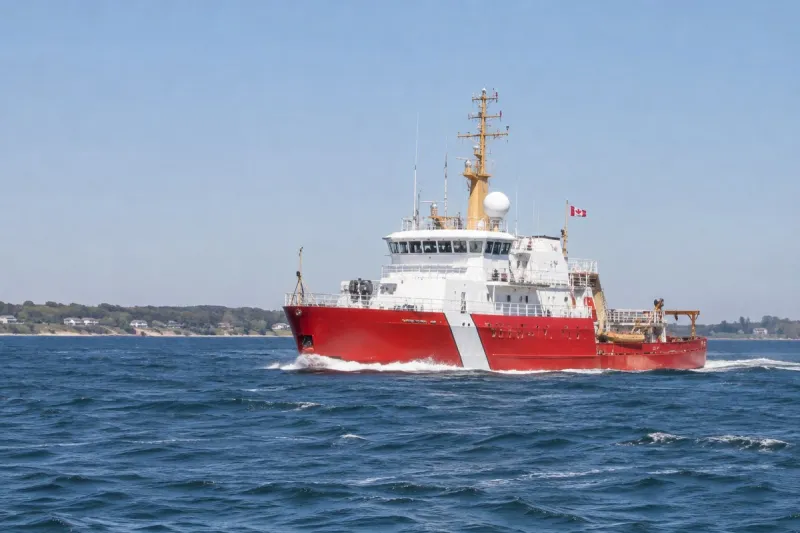
The incident follows an episode earlier in November, when around 140 planes lost GPS over the North Sea as a Russian warship within 200 miles of the UK coast carried out a suspected jamming operation. Professor Todd Humphreys of the University of Texas at Austin said the pattern appeared to match the 9 November North Sea incident.
Who is blamed, and what the experts said
Ramsey Faragher, CEO of the Royal Institute of Navigation, said a Russian ship was the "most likely culprit" and that there was no reason for anyone else to intentionally broadcast high-powered jamming signals in that waterway. James Droxford, a maritime intelligence analyst and former naval intelligence officer, said it was not possible to determine who was responsible, because the area lies at the confluence of many trade routes and is heavily trafficked by ships.
Humphreys said the sources are likely surface ships, whereas past jamming from Russia was land-based out of Kaliningrad, calling this a qualitative change in hybrid warfare. Russian electronic warfare units in Kaliningrad can jam and spoof GPS signals across a radius of up to 280 miles. He noted that ship captains at risk of drone attack might use GPS jammers defensively, and that a high-powered jammer could be concealed on a container or transport ship.
Industry impact & what to watch
Jamming uses powerful radio signals to overwhelm a GPS system, preventing it from calculating location or time. Spoofing, a more dangerous form of interference, tricks a receiver into calculating a false location or time. If the source is a moving vessel rather than a fixed site in Kaliningrad, the affected airspace is no longer tied to one geographic footprint, and the exposure of routes into Scandinavian and Baltic airports can shift as ships move.
Pilots can switch to alternative navigation systems if GPS fails, but experts have warned of catastrophic consequences if this coincided with a second failure, such as problems with air traffic control. Faragher warned that disabling or falsifying GNSS can affect mobile phone networks and some terrestrial radio and TV broadcasts. Matt Western, chair of the Joint Committee on National Strategy, said deliberate GPS jamming "falls below what would be classed as an act of war".
Authorities are investigating the source, and attribution is the open point. Whether the Swedish and UK findings converge on the same vessel type, and whether any official body names a party, will decide how this is treated.