MedAire Makes Strategic Investment in GoCrisis, Deepening Four-Year Aviation Partnership
Why It MattersCrisis-response for aviation is consolidating medical, security and family-assistance support behind shared back-office platforms, signalling that operators increasingly buy integrated post-accident care instead of assembling separate specialist providers.
What happened
MedAire announced on 23 September 2026, from Phoenix, Arizona, a strategic investment in GoCrisis. The move takes the companies' four-year aviation relationship beyond a strategic partnership and toward closer business integration.

Through the investment, GoCrisis will use MedAire's IT, finance and back-office business infrastructure. Both organizations keep their identities, organizational capabilities and established operating roles. GoCrisis will continue serving clients outside aviation as it does today, and aviation clients will keep working with their established teams while the companies align more of the operations behind their response.
Together, the two connect aviation clients to a crisis-response network of more than 100 crisis experts and 2,000 GoResponders, with access to more than 100,000 emergency response specialists through partners in more than 90 countries. The network is supported by 29 Assistance Centres, 25 Security Centres and more than 91,000 vetted providers.
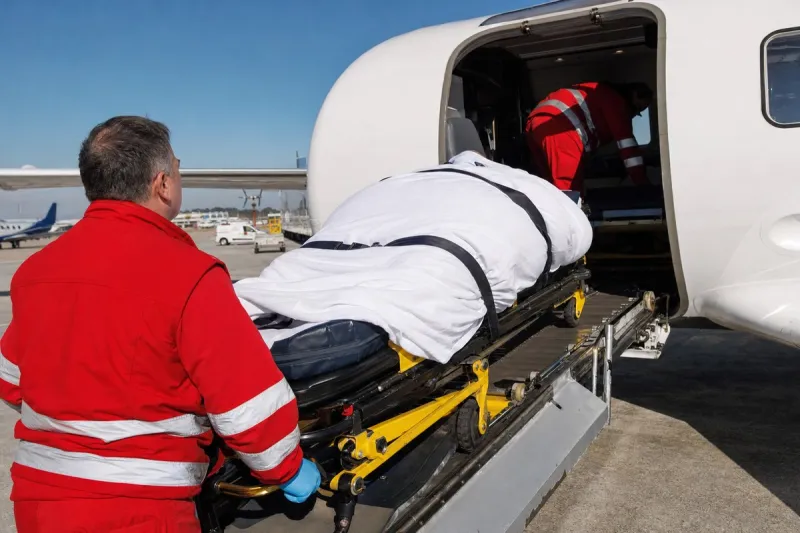
MedAire supports aviation clients around the clock through medical, security and operational-assistance teams and a global network of vetted providers, drawing on 40 years of aviation experience. It is an International SOS company, launched MedLink, the industry's first ground-based telemedicine service for in-flight emergencies, in 1985, and has managed more than 1 million medical and security cases for aviation operators worldwide over 40 years. GoCrisis, founded in 2014, supports organizations across industries through family assistance, emergency contact centers, crisis communications, field response and recovery.
The teams can prepare together before an event and, when one occurs, coordinate medical and security guidance, local provider support, family assistance, communications and recovery. Bill Dolny, CEO of MedAire, said: "The closer relationship is intended to let clients retain the decisions that belong to them while MedAire carries more of the operational burden of bringing the right support around their people." Elmarie Marais, CEO of GoCrisis, said supporting someone who has lived through an accident requires careful coordination among emergency services, authorities, insurers and NGOs, and that care for injured survivors can be long-term.
Industry impact & what to watch
Crisis response in business aviation has historically been split across specialists: in-flight medical advice, security support, and, separately, the post-accident work of family assistance, communications and recovery. This arrangement joins the first two with the third under shared IT, finance and back-office systems while leaving each brand and its operating role in place. For operators, the practical appeal is fewer hand-offs between providers at the moment when coordination is hardest.
The structure also shows how consolidation tends to proceed in this segment. An equity stake plus shared infrastructure sits between a loose partnership and a full merger: it lets the larger platform carry administrative load while the smaller specialist keeps its client relationships outside aviation. That is consistent with the stated aim of clients retaining their own decisions while the provider handles more of the operational burden.
The next point of substance is the integration itself: which operational processes the companies actually align behind a response, and whether aviation clients see a single point of activation or continue working through their established teams as described.