flyExclusive CEO Says Fly Alliance Is Insolvent and Likely to Declare Bankruptcy; Tasca Disputes It
Why It MattersPrepaid jet-card programs concentrate customer cash as deferred liabilities, so a shortfall can surface suddenly and leave members dependent on a counterparty's willingness to absorb their flying.
What happened
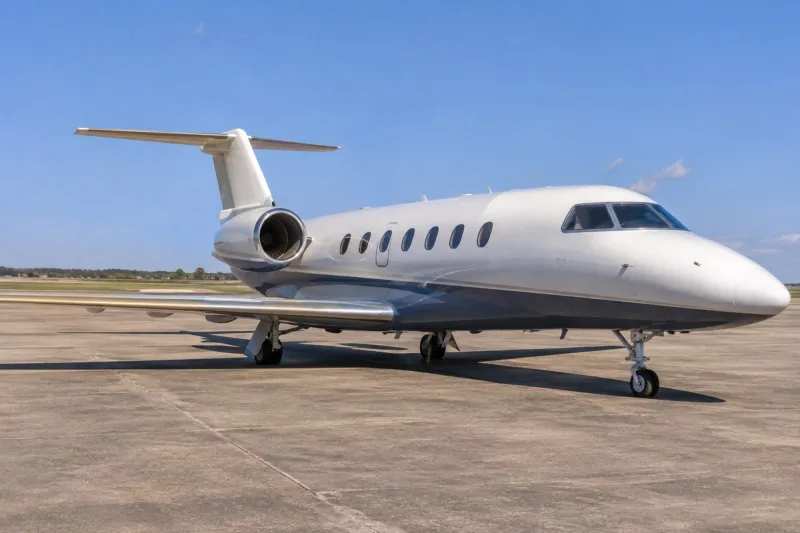
Fly Alliance, the seven-year-old global charter jet company founded by Cranston, Rhode Island resident Chris Tasca and Kevin Wargo, has ceased operations. In July, Tasca and Wargo announced they were splitting the company, with Tasca becoming CEO. Less than five months later the company stopped operating, and Tasca confirmed to GoLocal that $35 million in prepaid jet cards would not be valid.

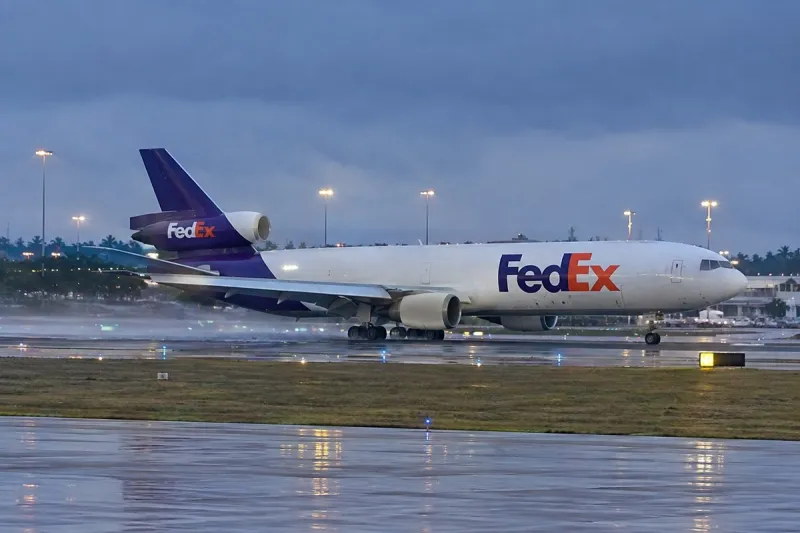
On November 12, Fly Alliance and flyExclusive announced an agreement under which approximately eight Fly Alliance aircraft would move onto flyExclusive's operating platform, expanding large-cabin capabilities. In an 8-K filing with the U.S. Securities and Exchange Commission dated November 11, flyExclusive said the agreement runs ten years and may be terminated by flyExclusive at any time, in its sole discretion, effective immediately and without notice.
Two weeks after the announcement, flyExclusive Founder, Chairman and CEO Jim Segrave wrote to Fly Alliance members that the company is no longer financially able to support their flights, is insolvent and will likely declare bankruptcy. He said it has approximately $43 million in deferred revenue liabilities and lacks the cash to support member flying, and that the size of the shortfall made continued operations unsustainable despite weeks of work with Fly Alliance leadership.
Tasca disputed the message, saying Segrave admitted he had jumped the gun and gone too far, and told GoLocal he is not filing for bankruptcy protection. Segrave told GoLocal that flyExclusive has not terminated the agreement, will still take over the associated aircraft, and that the arrangement is evolving rather than ending. He said Fly Alliance is no longer selling directly to members and flyExclusive is now contracting directly with them. He did not retract his statements about Fly Alliance's financial condition.
The figure for lost prepaid-card value differs between the two men: $35 million per Tasca and $43 million per Segrave. Questions remain about where the prepaid-card money went. Asked for comment for customers who lost significant sums, Tasca said he has spoken with his customers directly.
Industry impact & what to watch
Prepaid jet cards work by taking member cash up front and recognizing it as flying is delivered, so the unflown balance sits on the books as a deferred liability. When cash on hand falls short of that balance, the gap tends to become visible only once flights can no longer be funded. The two executives' differing figures, $35 million and $43 million, show how contested that number can be even after operations stop.
The structure of the flyExclusive agreement matters for anyone holding a card in a program like this one. A ten-year term that the acquiring platform can end at any time, without notice, gives the member little contractual footing, and the shift to flyExclusive contracting directly with members means their position now depends on that platform's terms rather than on the original program's.
The dispute itself is still open. Segrave has not retracted his statements about Fly Alliance's financial condition, while Tasca maintains he is not filing for bankruptcy protection. The destination of the prepaid-card money remains unanswered, and until a filing, an audit or a fuller accounting appears, the competing claims stand side by side.