Airlines Extend Gulf Route Suspensions into 2027 After Fresh Attacks on Saudi Arabia and Kuwait
Why It MattersStaggered airline returns and extended regulator advisories show Gulf capacity is rebuilding market by market, so charter pricing and evacuation routing stay tied to security conditions rather than a single reopening date.
What happened
Fresh attacks on Saudi Arabia and Kuwait this week have prolonged disruption to international air travel across the Gulf, with several airlines extending route suspensions into 2027. Kuwait temporarily restricted its airspace on 26 November after a fatal drone attack on critical infrastructure, while Saudi authorities reported further missile and drone interceptions.
The incidents follow weeks of security-related disruption to Saudi Arabia's aviation network, particularly at Riyadh's King Khalid International Airport. Etihad Airways and Air India have extended flight cancellations to Riyadh and Dammam until 30 November. Air France and British Airways are not expected to resume Riyadh services until January 2027. The European Union Aviation Safety Agency (EASA) has extended its conflict-zone advisories covering Saudi Arabia and the Persian Gulf and Gulf of Oman until 31 January 2027.
Recovery elsewhere in the region is uneven. Lufthansa reinstated services between Munich and Dubai on 25 November, following British Airways' return to Dubai earlier this month. KLM, Singapore Airlines and Air Canada have maintained suspensions on Dubai routes into 2027.
The UK Foreign, Commonwealth & Development Office (FCDO) continues to advise against all but essential travel to Saudi Arabia, suggesting that British nationals seeking to leave consider overland routes to neighbouring countries before travelling onwards by air. Reduced commercial flight availability and rising aviation war-risk premiums have already pushed up private aircraft charter costs in Saudi Arabia.
Industry impact & what to watch
The split between Dubai, where Lufthansa and British Airways have returned, and Riyadh, where Air France and British Airways are not expected back until January 2027, shows that Gulf airspace is not recovering as a single block. Carriers decide route by route, and each decision rests on that airport's own security picture, so the network reopens in pieces.
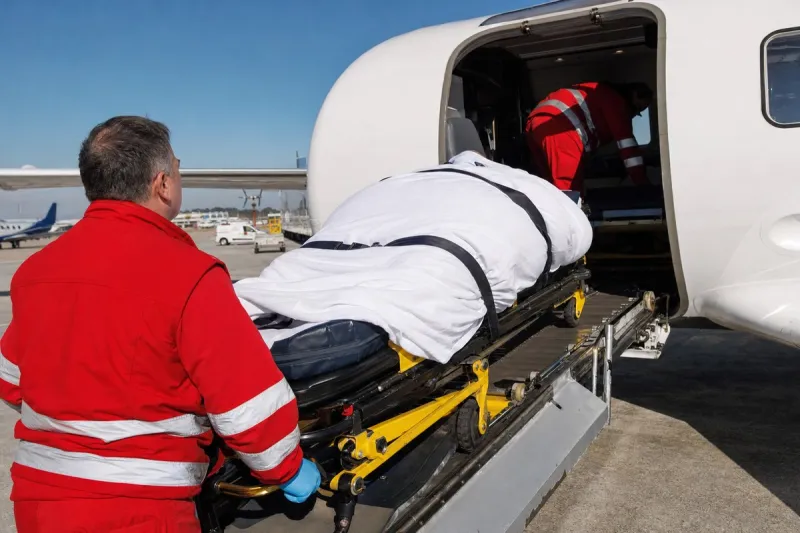
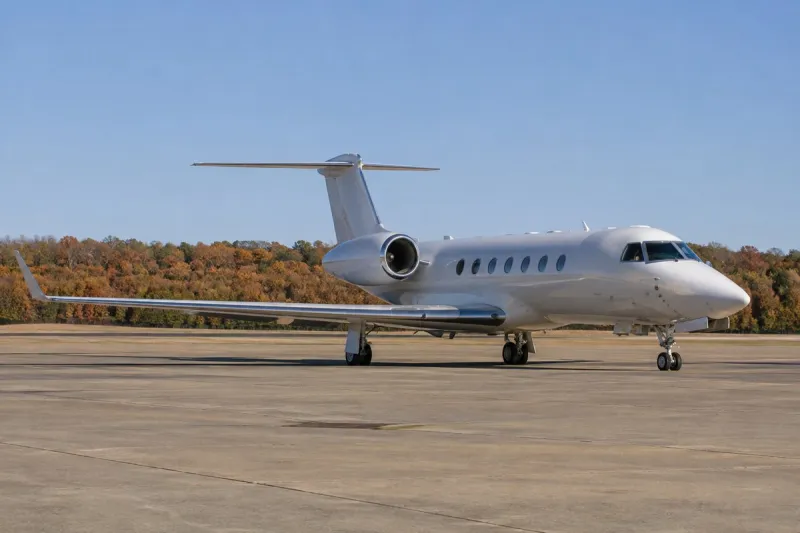
For business aviation, thinner scheduled capacity pushes demand toward private lift at the same moment war-risk premiums are rising. Charter pricing out of Saudi Arabia therefore reflects insurance cost as much as seat availability. Assistance providers handling medical repatriation or security evacuation face a related squeeze: with fewer commercial departures, alternative departure points can mean longer ground transfers and more complex patient transport arrangements.
The dates already published give the clearest markers: airlines' 30 November cancellation limit for Riyadh and Dammam, the January 2027 return window for Air France and British Airways, and EASA's 31 January 2027 advisory expiry. Whether these hold or are pushed back again will say more about how durable the current security picture is than any single airline statement.