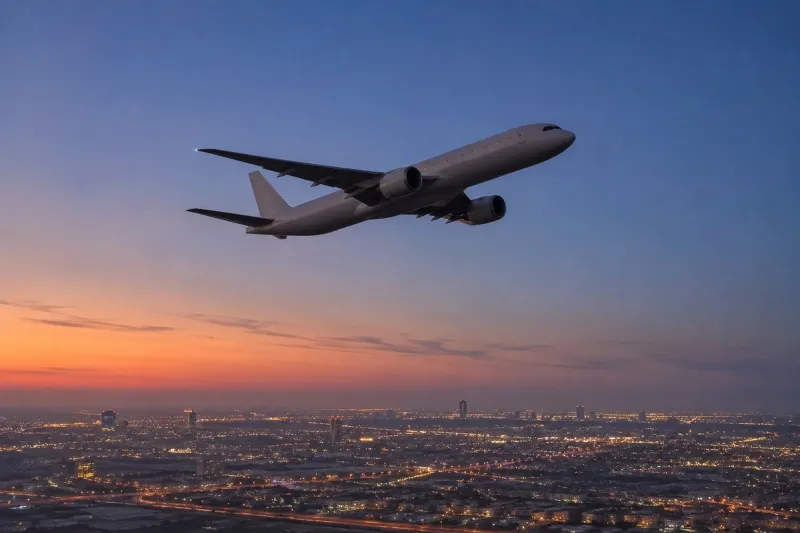
Norse Atlantic's Norwegian Subsidiary Files for Bankruptcy After Lease Terminations on All 12 Boeing 787s
Why It MattersNorse's collapse shows that a widebody operator leasing its entire fleet and carrying no fuel hedge has no cushion once lessors and fuel costs move against it at the same time.
What happened
The Norwegian operating subsidiary of Norse Atlantic Airways is filing for bankruptcy with the Agder District Court after the airline failed to secure sufficient emergency financing. In a stock exchange announcement, Norse said the filing followed its confirmation, hours earlier, that it had received lease termination notices covering all 12 Boeing 787 Dreamliners.
The listed parent company, Norse Atlantic ASA, and its UK subsidiary are not included in the filing. Their board, management and advisers are working to find a solution for the remaining business to continue operations.
Norse narrowed its annual net loss from $135.5 million in 2024 to $61.9 million in 2025, but costs rose in 2026. Personnel and maintenance costs increased, and financing expenses included a $32.9 million noncash charge tied to a bond conversion. H1 2025 income included a one-off $28.7 million gain from lease modifications. Fuel spending rose only 2.5% in the first half of 2026, even though average jet fuel prices were up 92% year-on-year in the second quarter. With no fuel hedging, Norse cut its own-network capacity by 64% in the quarter but could not reduce fuel costs.
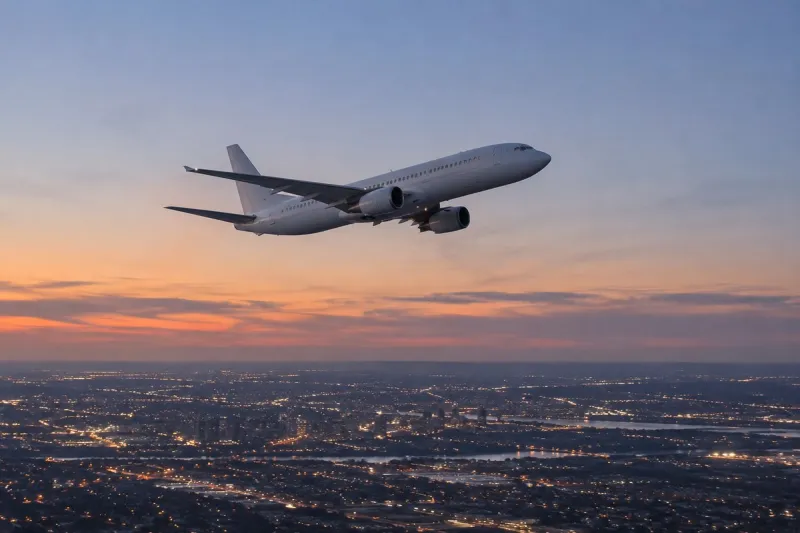
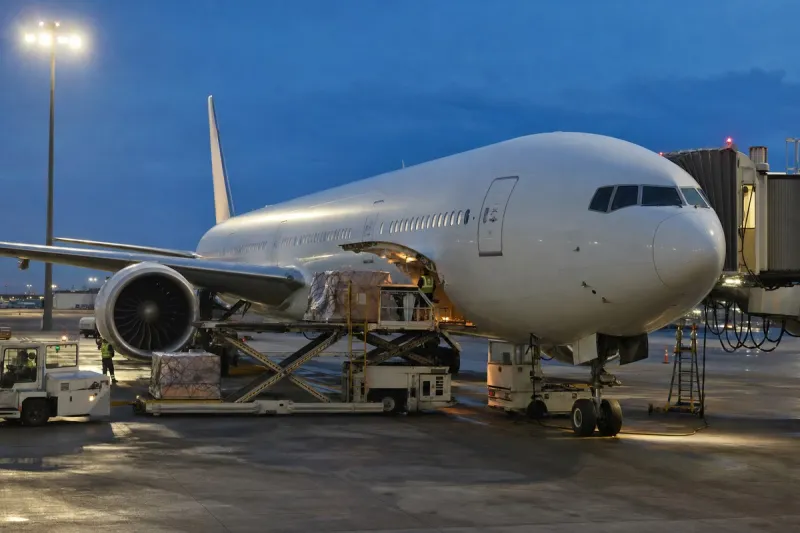
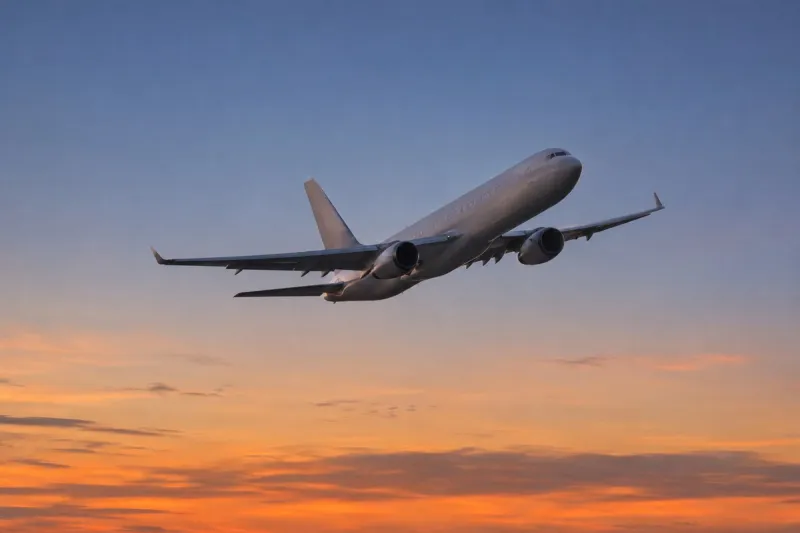
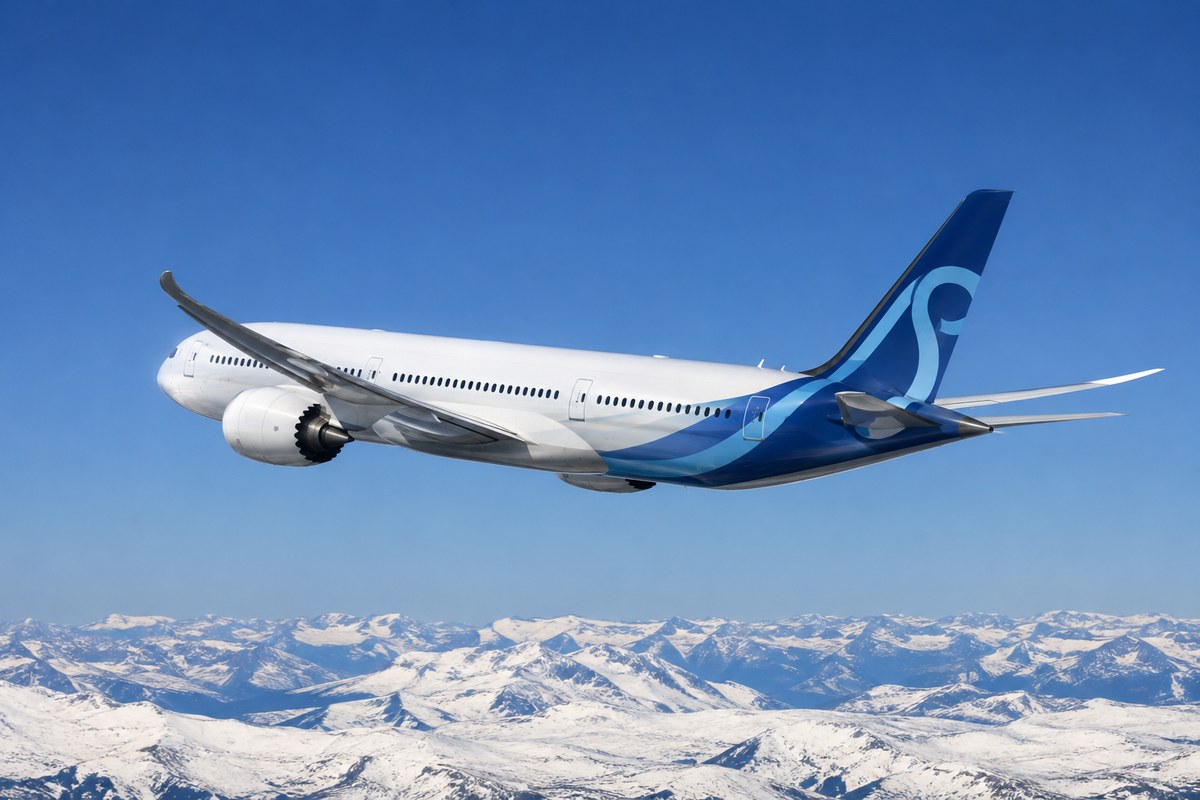
Norse leased its aircraft during the pandemic, originally signing with AerCap for nine Dreamliners and BOC Aviation for six more. After giving back its three 787-8s, it operated a uniform fleet of 12 Boeing 787-9s.
A shrinking US network
Norse launched in June 2022 between Oslo and New York. It later shifted toward Southeast Asia and aircraft, crew, maintenance and insurance (ACMI) contracts.
US Department of Transportation data show its US routes fell from 12 in summer 2025 to 4 in summer 2026 (-66.7%). Departures dropped from 1,801 to 710 (-60.6%), seats from 608,618 to 239,980 (-60.6%) and passengers from 552,401 to 220,725 (-60.0%), while load factor rose from 90.8% to 92.0%.
All Los Angeles services were withdrawn, and London Gatwick–Orlando was the sole remaining scheduled US route when operations were suspended.
Industry impact & what to watch
Norse's last two years show how thin the margin is for a long-haul operator built on leased widebodies. Its 2025 loss narrowed, yet a single fuel-price spike in the second quarter of 2026 was enough to undo that progress. Without hedging, an airline absorbs the full move in fuel prices, and cutting 64% of own-network capacity did not bring fuel costs down in step. Fixed obligations such as leases, crew and maintenance do not shrink at the same pace as flying.
A fleet made up entirely of leased aircraft concentrates risk with the lessors. When termination notices cover every one of the 12 aircraft at once, there is no remaining flying capacity to restructure around, which is why the filing followed within hours. For lessors, the same event puts 12 modern 787-9s back on the market, which is relevant to anyone sourcing widebody capacity on short notice.
The open question is the one the company itself names: the parent and UK subsidiary sit outside the filing, and their board, management and advisers are working on a solution for the remaining business to continue. What that solution looks like, and whether any flying survives it, is the next development to follow.