Russia Extends Aviation Fuel Export Ban to 31 March, Tightening Jet Fuel Supply
Why It MattersPulling a marginal exporter's jet fuel off the market pushes importers toward costlier, more distant sources, and tight distillate balances mean smaller carriers feel the squeeze before large airlines do.
What happened
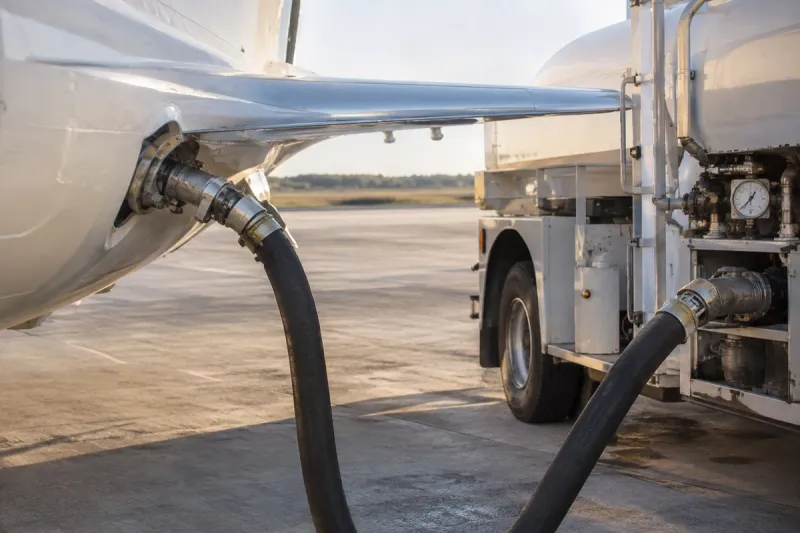
Russia has extended its ban on aviation fuel exports until 31 March, according to Russian media reports on 27 November. The restriction was introduced earlier to protect domestic supply.

The measure is framed as a way to contain internal price spikes and to guarantee enough fuel for Russian airlines and for military needs.
Russia is not the world's largest exporter of aviation fuel, but it has been an important marginal supplier to parts of Europe, the Middle East and Asia. The extension also sits alongside existing Russian export controls on other fuel products, including gasoline and diesel.
Industry impact & what to watch
Taking Russian volume out of the jet fuel market leaves importers looking for alternative sources, often at higher cost or over longer shipping distances. Airlines that relied directly or indirectly on Russian product, through physical deliveries or through swap and blending arrangements, need to secure replacement supply from refineries in the Middle East, Asia or the US. Smaller carriers and those in emerging markets are expected to feel the squeeze first, since larger airlines have more room to renegotiate and diversify supply.
The timing compounds an already tight global distillate market, shaped by refinery outages, shipping disruptions and the shift away from Russian supply after the invasion of Ukraine. In that setting, traders and refiners may divert jet-capable streams away from diesel or heating oil output to meet aviation demand, which ties jet fuel pricing to the wider distillate complex.
Three indicators carry the most information from here: jet fuel crack spreads, airline fuel surcharges, and Northern Hemisphere spring route planning. A reversal of the ban before 31 March would ease the pressure, while a widening of export limits to other products would point to a new phase in how Russia manages its domestic energy strain.