Qatar Takes On Air Traffic Management Over Designated International Waters in Doha FIR
Why It MattersThe move shows how a state's air traffic role in a flight information region grows through updated agreements, upgraded systems and trained controllers, tying airspace authority directly to proven service capability.
What happened
The State of Qatar's responsibilities have expanded to include managing air traffic over designated areas of international waters within the Doha Flight Information Region (FIR). The arrangement operates under approved arrangements and agreements.
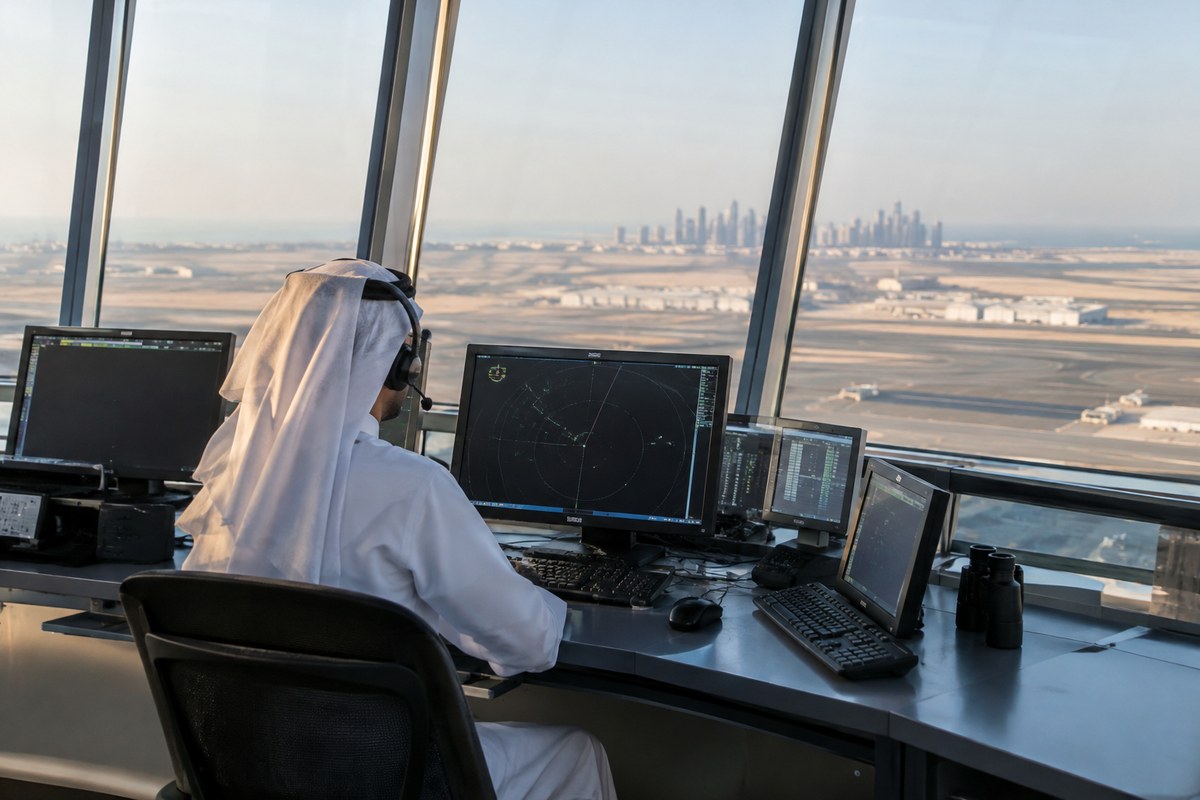
The expansion follows completion of all required technical and operational steps. These included updating air navigation services agreements with neighbouring states, enhancing navigation, surveillance and communication systems, and qualifying national personnel and air traffic controllers to work in the larger area of responsibility.
Mohamed bin Faleh Al-Hajri of the Qatar Civil Aviation Authority (QCAA) called the step an important milestone for the country's civil aviation sector. He described it as the culmination of years of sustained work toward an advanced aviation system meeting the highest international standards.
Al-Hajri said the step reflects the confidence placed in Qatar by the international civil aviation community, represented by ICAO. He added that it demonstrates the efficiency of Qatar's integrated aviation system, supported by advanced infrastructure, modern air navigation systems and highly qualified national staff.
Industry impact & what to watch
Responsibility for air traffic over a stretch of airspace is not simply claimed; it is earned through a package of agreements with adjacent states, surveillance and communication coverage, and a controller workforce qualified for the larger area. Qatar's expansion follows exactly that sequence, and it shows how a flight information region's boundaries of responsibility move only when each of those pieces is in place.
For operators flying through the Gulf, the practical question is how the larger area of responsibility is reflected in route structures, handoffs between neighbouring control centres and the coordination procedures spelled out in the updated agreements. Flight planners and ground handlers will want to check how any changes are published through the usual aeronautical information channels rather than assume them.
The next milestones are likely to be visible in the operational detail: the specific areas of international waters now covered, the updated agreement terms with neighbouring states, and how traffic management performs as controllers work the expanded area.