Polish Aviation Academy's ATO LOT Flight Academy Orders Four Tecnam P2008 JC NG Aircraft, With Options for Six More
Why It MattersRepeat orders for standardised single-engine trainers show flight schools building capacity around one manufacturer's platform and framing fuel-efficiency claims as part of how they pitch pilot-training demand.
What happened
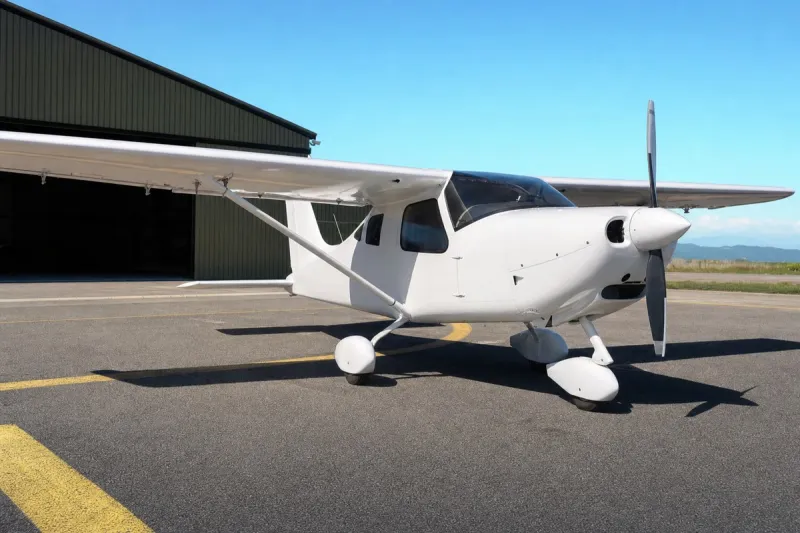
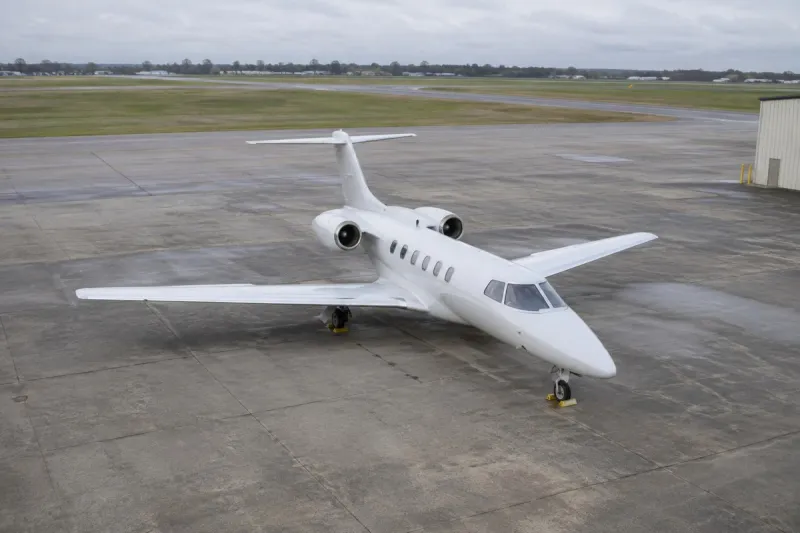
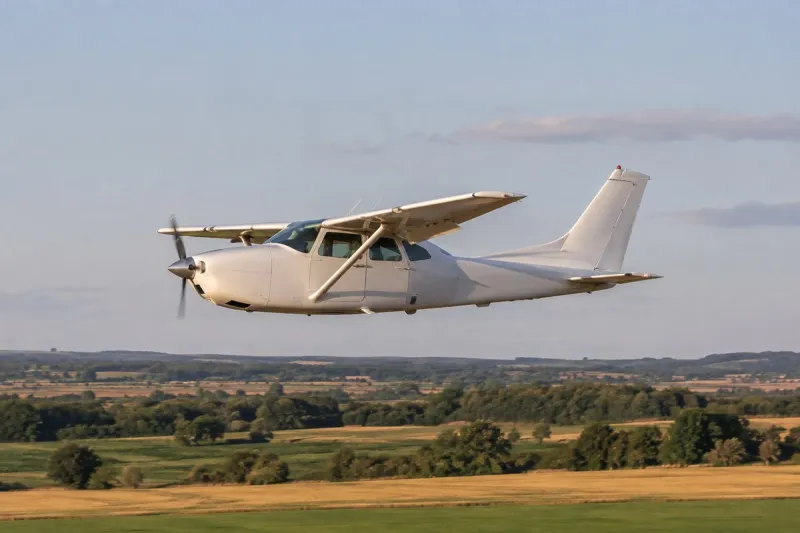
The Polish Aviation Academy, which operates as ATO LOT Flight Academy and is based in Warsaw, has ordered four new Tecnam P2008 JC NG single-engine aircraft, with an option to buy an additional six. Tecnam announced the order on November 26, 2026, from Warsaw and Capua, Italy.

The agreement is described as a further milestone in a partnership between the two organizations that has developed since 2015. After the four aircraft are delivered, ATO LOT Flight Academy's active fleet will grow to 17 Tecnam aircraft, which the academy says will strengthen its training capacity to meet growing demand for professional pilot training in Poland. A quote attributed to Tecnam Chief Sales Officer Walter Da Costa refers to a fleet of 15 aircraft, which differs from the 17 stated elsewhere in the announcement.
Jan Szybiński, Chief Operating Officer of the Polish Aviation Academy, said the academy is preparing for increasing demand for professional pilot training as the Polish aviation market grows, and that expanding and modernising the fleet is a strategic step to secure capacity, technology and operational capabilities for the domestic market. Walter Da Costa called the repeat order a testament to the operational efficiency, safety and training value of Tecnam platforms.
The academy cited the aircraft's modern avionics, handling characteristics and operational efficiency as suited to ab-initio and advanced flight training, and pointed to their fuel efficiency and lower environmental footprint as supporting its sustainability goals. Tecnam stated that, based on recent data and industry benchmarks, flight schools using its single- and twin-engine fleet can save up to 10 tonnes of CO2 per student completing a Commercial Pilot Licence, a 60% reduction compared with a fleet using 100LL fuel over 155 flight hours, including 30 hours in a twin. ATO LOT Flight Academy provides professional pilot training within an Approved Training Organisation framework.
Industry impact & what to watch
Training organisations tend to standardise on one aircraft family because a uniform fleet simplifies instructor qualification, maintenance planning and student scheduling. A follow-on order that has grown out of a relationship dating to 2015 fits that logic: capacity is added by repeating a known platform instead of introducing a new type into an existing syllabus.
The emissions figure in the announcement is a manufacturer's own benchmark, tied to a specific scenario of 155 flight hours with 30 in a twin, and measured against a 100LL fuel fleet. Schools weighing similar claims should check how closely that scenario matches their own syllabus and fleet mix before treating the saving as transferable.
The next concrete milestone is whether the academy exercises the option on six further aircraft, which would take the order well beyond the four confirmed so far. The mismatch between the 15 and 17 aircraft fleet figures is also worth settling once delivery schedules are published.