US Jet A Averaged USD 6.26/Gal in December 2025 Versus USD 2.11 Spot; Pheonix Research Says Gap Reflects Ground Costs
Why It MattersFBO fuel pricing is mostly a function of taxes, delivery and airport-imposed costs rather than commodity swings, so margins and the revenue mix hinge on ground charges and lease income.
What happened
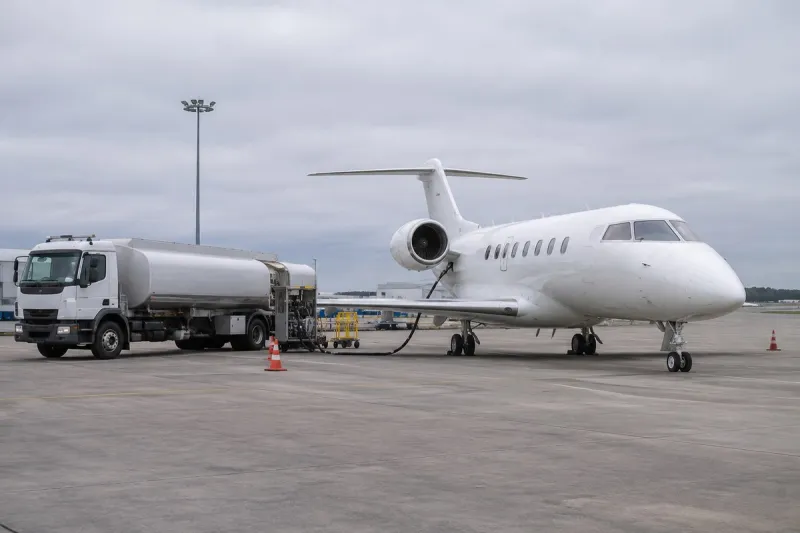
A Pheonix Research analysis reports that Jet A at US fixed-base operators averaged USD 6.26 per gallon in December 2025, drawn from more than 3,200 reporting locations. Gulf Coast jet fuel spot prices averaged USD 2.11 per gallon over 2025, down 9.6% from 2024. The USD 4.15 difference is attributed to federal excise tax on non-airline jet fuel, state and local taxes, into-plane delivery, airport concession fees or minimum annual guarantees, ground rent, and amortisation of improvements required by airport minimum standards.
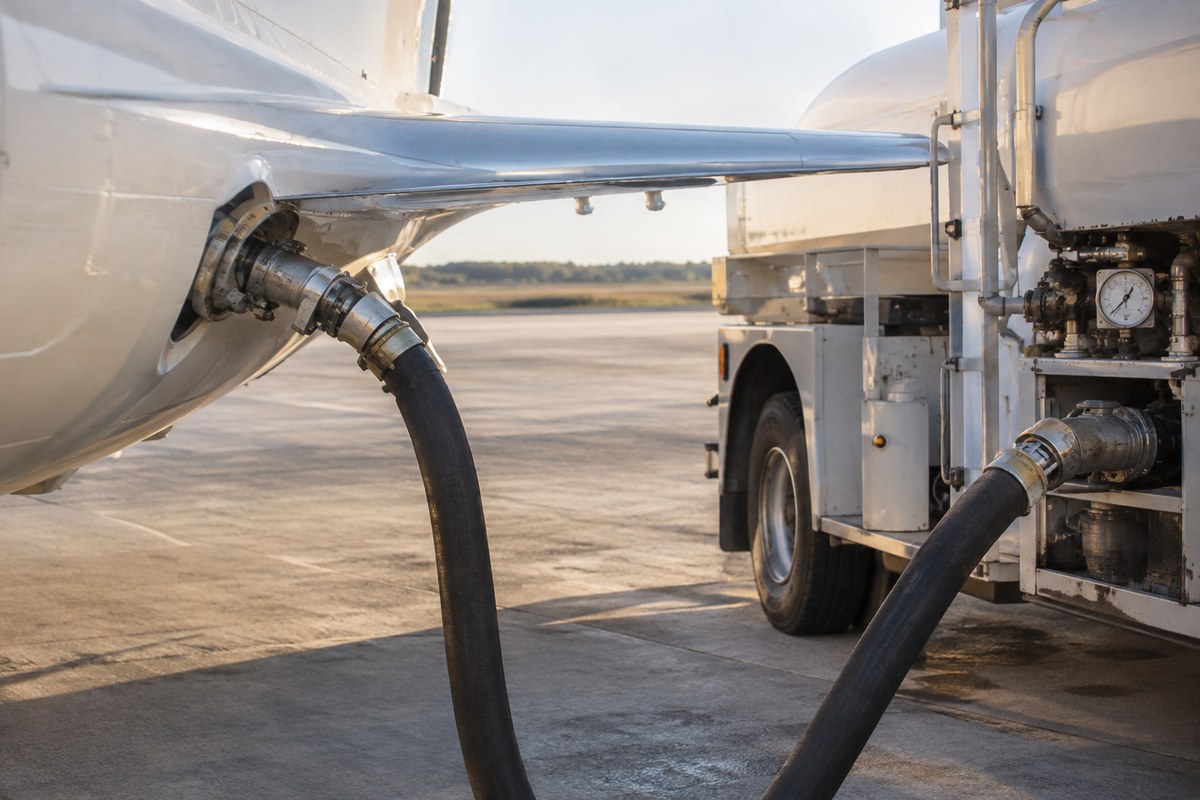
The national Jet A average stayed within a 15-cent band through 2025: a May low of USD 6.18, a November peak of USD 6.33 and a December close of USD 6.26, 1.1% below the November peak. Sustainable aviation fuel averaged USD 8.72 per gallon in December, a 39.3% premium to Jet A.
Fuel made up 62.0% of FBO revenue in 2025, or USD 9,954.2 million of a USD 16,055.2 million market. Its price is republished by GlobalAir (more than 3,200 FBOs), iFlightPlanner (3,350 locations) and Aviation Week (over 200 US sites). Charter and fractional departures reached 2,010,143 in 2025, up 5% year on year and 36% above 2019, per WINGX data. The chief business officer for FBOs at Clay Lacy Aviation said contract fuel is widely offered at less than half the retail margin.
Forecast and SAF regulation
The report forecasts fuel revenue growing at 5.9% a year and falling to 57.9% of the market by 2033. Hangar and ramp lease revenue is forecast to grow at 9.2% a year, from USD 2,889.9 million to USD 5,843.4 million, and de-icing at 8.0%.
In the EU, a 2% SAF share applies from 2025, rising to 70% by 2050, with synthetic aviation fuel at 1.2% from 2030 and 35% by 2050. Switzerland applied the regime from 1 January 2026 at Zurich and Geneva, including a 90% uplift rule. Storage, blending, testing and chain-of-custody costs fall on operators who do not set the product's price.
Industry impact & what to watch
The USD 4.15 gap between spot and pump shows how little of an FBO's fuel price tracks the commodity. A 9.6% fall in the Gulf Coast average sat alongside a retail price that moved only 15 cents across the year, because the larger components are taxes, delivery and airport-imposed charges that do not follow crude. For flight departments and charter operators, the price lever sits in the contract and the airport, not in the spot market.
The forecast mix points the same way. If fuel slips to 57.9% of FBO revenue by 2033 while lease income grows at 9.2% a year, the business leans further on real estate and services, and airport rent and minimum-standard obligations carry more weight in FBO economics.
SAF adds a separate layer. The 39.3% premium is one cost; the storage, blending, testing and chain-of-custody burden landing on operators who do not set the price is another, and the EU and Swiss mandates make that burden a compliance matter at specific airports. The next markers are the 2030 synthetic fuel step in the EU schedule and how the Swiss uplift rule plays out at Zurich and Geneva.