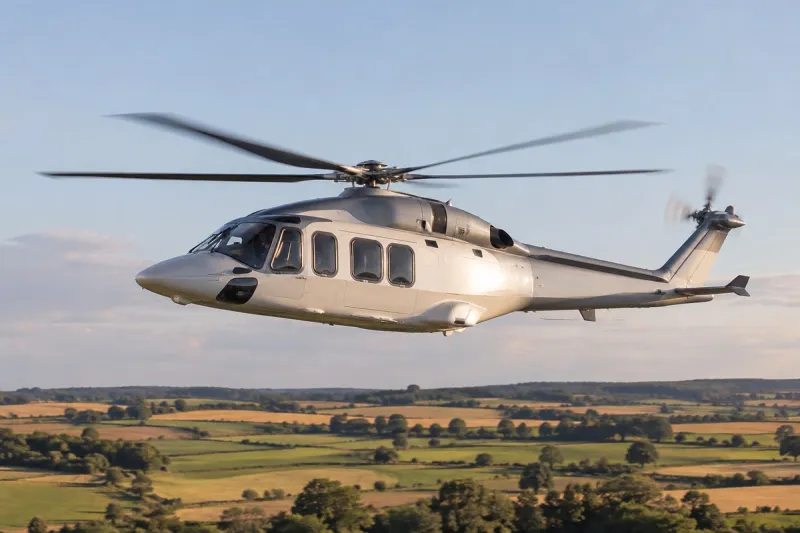
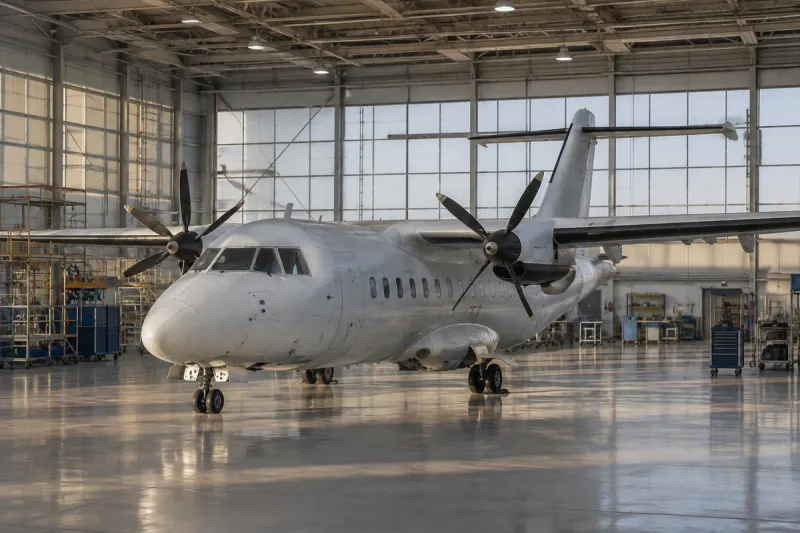
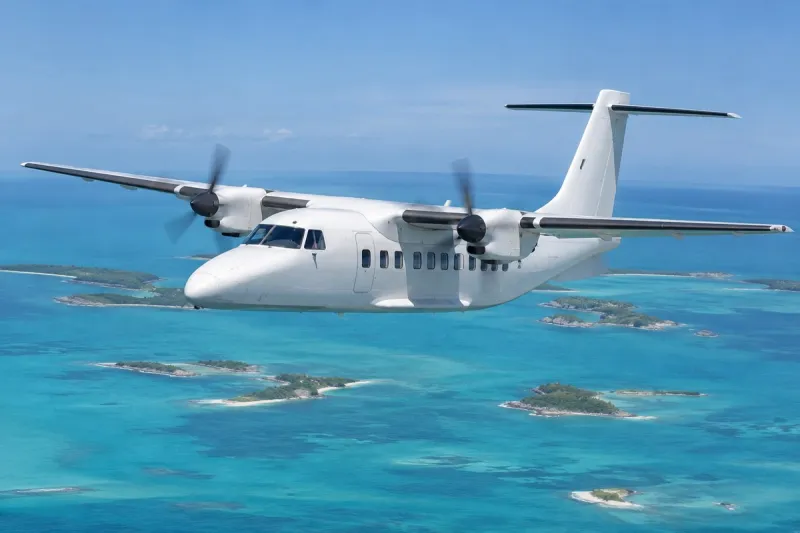
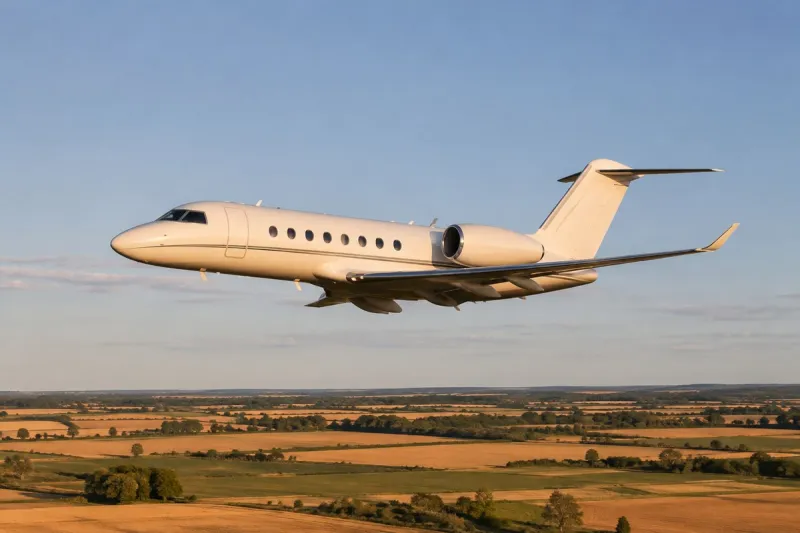
LifeNet Air Medical Services adds custom-built Pilatus PC-12 NG to fixed-wing fleet
Why It MattersCustom-configured single-engine turboprops show air medical programs building fixed-wing capacity around long-range critical care and specialty team movement, with interior design and equipment access shaping how hospitals and regional partners are served.
What happened
LifeNet Air Medical Services, based in Texarkana, has welcomed a new Pilatus PC-12 NG aircraft, custom-built for its program to support long-distance critical care transports, specialty team transfers and its established network of regional partners. Metro Aviation serves as LifeNet Air's aviation partner. The aircraft expands the program's resources for hospitals, emergency medical services agencies and specialty care teams across the region.

LifeNet Air first added a PC-12 to its fleet in 2022. The new PC-12 NG carries a custom medical interior, expanded oxygen capacity and updated avionics. It can operate under instrument flight rules (IFR), which gives additional flexibility when weather limits visual flight, within established operating limits and safety requirements.
The medical configuration includes dual inboard oxygen tanks for increased oxygen capacity during extended transports, advanced cardiac monitoring and a Hamilton T1 ventilator. A wider flight board is fitted for patient safety, securement and comfort, along with an updated flight board equipment mount for safer loading and unloading. Overhead equipment mounts and additional securement points accommodate specialty equipment, and the cabin has adjustable seating and flight board positioning, capacity for up to three additional team members during specialty team transfers, adjustable overhead lighting and cargo-area shelving.
Heidi Hile, LifeNet's director of Air Medical Services, said the 2022 PC-12 expanded the program's ability to connect patients with care beyond its immediate region, and that the new aircraft builds on that with an interior designed for its program, crews and patients. Amy McMullen, Director of Aircraft Configuration at Metro Aviation, said the PC-12 NG's configuration was tailored with LifeNet Air and HillAero to support equipment access, patient loading and the flexibility specialty teams need.
Industry impact & what to watch
Air medical programs that add a second airframe of the same type are usually extending reach rather than testing a concept. The PC-12 pairing here, one aircraft from 2022 and one new NG, lets a regional program standardize crew training and spares while building the interior around its own patient mix. In the fixed-wing medical segment, the cabin is where most of the differentiation sits: oxygen endurance, monitoring and ventilation capability, and how quickly a team can load a patient determine which transports a program can credibly accept over long distances.
The specialty team transfer role points to how these aircraft are used beyond single-patient flights. Room for up to three additional team members, plus mounts and securement points for specialty equipment, suggests the airframe is being configured as a mobile care platform for hospitals and EMS agencies that need to move a whole team and its gear rather than only a patient. The tailoring with an aviation partner and a completion specialist, as McMullen described it, reflects how much of this work happens at the configuration stage, not at the aircraft purchase.
The practical test for the segment is utilization: how often the added fixed-wing capacity is requested by partner hospitals and EMS agencies for the long-distance and specialty transfers it was built for, and how IFR capability holds up against weather-limited days within the stated operating limits.