Rolls-Royce Trent 1000 Estimated at About $20 Million, but Shop Visits and Durability Fixes Drive Real Cost
Why It MattersEngine economics on long-haul twins are set by time on wing and maintenance-contract structure far more than by the list price, so a durability fix revalues the whole fleet.
What happened
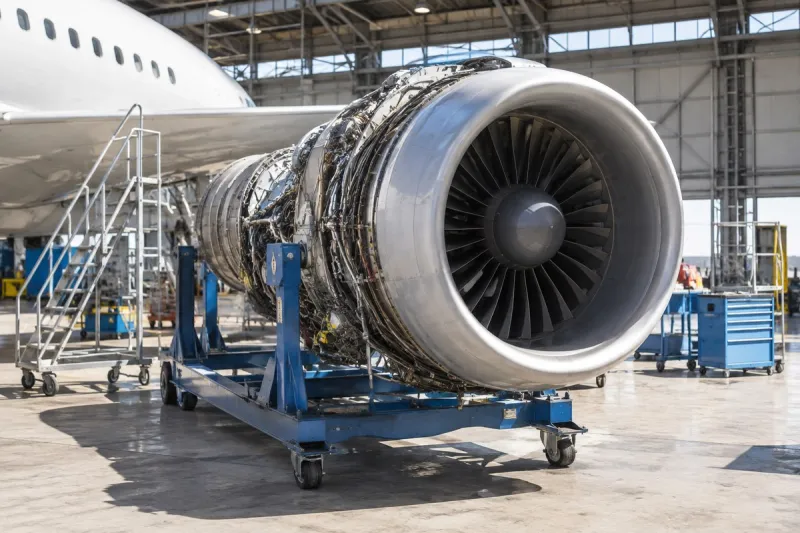
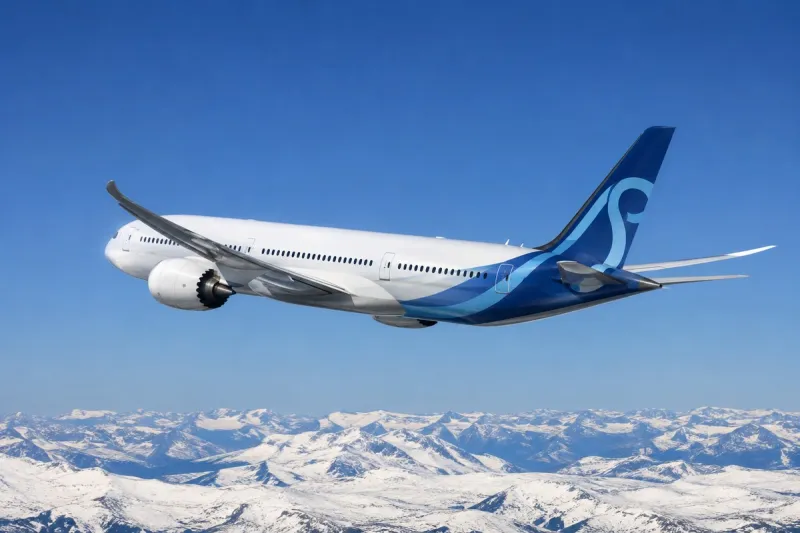
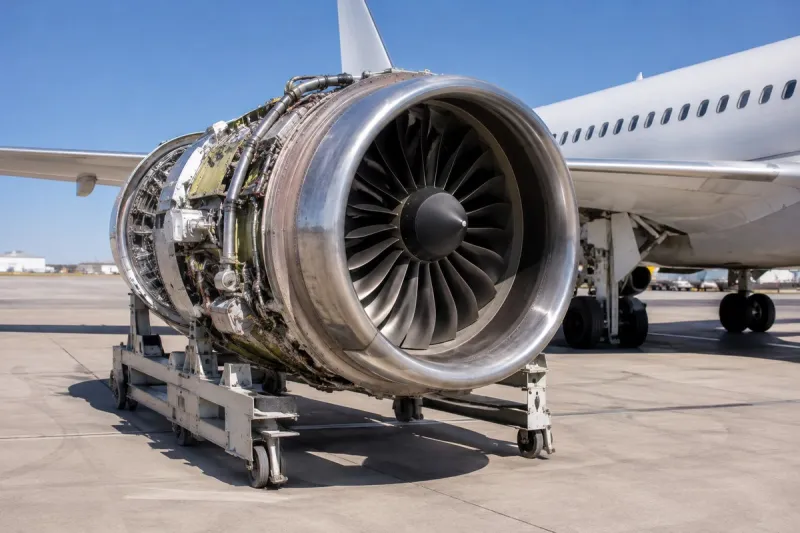
Rolls-Royce does not publish list prices for the Trent 1000, the engine for the Boeing 787 Dreamliner, so every quoted figure is an estimate. The most commonly cited is about $20 million per engine. Simple Flying's 2025 survey of commercial engines places it at that level, below the roughly $22 million it assigns to the GE GEnx, the $25 million for Rolls-Royce's Trent 7000 and the $35 million for the Trent XWB. SlashGear reaches the same $20 million figure. These are list-price approximations that exclude discounts, bulk pricing and support contracts.

The clearest official data point is a January 2018 announcement that lessor AerCap had ordered Trent 1000 engines to power 10 Boeing 787s, valued at $450 million at list prices. Dividing by 20 engines gives $22.5 million each, but that assumes two engines per aircraft and no spares. Rolls-Royce measures its order book at list prices and, for long-term aftermarket contracts, counts revenue it expects to recognize within seven years of the announcement. The release does not say whether such revenue is inside the $450 million, so the figure may blend hardware and service value.
A single unscheduled shop visit can exceed $5 million once logistics, spare engine leasing and teardown labor are counted. Early Trent 1000s achieved time-on-wing intervals that were a fraction of the GEnx-1B benchmark of more than 20,000 operating hours before the first major shop visit. Many Rolls-Royce operators use TotalCare, a power-by-the-hour agreement under which the airline pays a fixed rate per flight hour and the manufacturer covers shop visits. In 2019 Rolls-Royce said added repair costs would push a small number of installations into loss.
The technical cause of the durability crisis was corrosion-related fatigue cracking in the intermediate- and high-pressure turbine blades, which emerged within five years of the engine's 2011 entry into service and eventually affected as many as 500 engines. Groundings peaked at close to 50 Dreamliners in 2018, and in April of that year the FAA cut extended-range twin-engine operating time for Package C aircraft from 330 minutes to 140. By November 2019 Rolls-Royce put the cost of the Trent 1000 problems at £2.4 billion for 2017 through 2023, an additional £800 million.
Rolls-Royce's response is the Trent 1000 XE, certified in two phases. The first, approved by the FAA in June 2025, introduced a high-pressure turbine blade with 40% more cooling plus combustor, fuel nozzle and controller software changes, which Rolls-Royce says more than doubles time on wing. The second, certified in late 2025, redesigns the blade shroud and adds advanced coatings for roughly 30% more. Together they are meant to triple time on wing versus the TEN, and CEO Tufan Erginbilgiç has put the real-world figure as high as six years between shop visits for some customers.
Industry impact & what to watch
The Trent 1000 shows how thinly a headline engine price describes what an operator or lessor actually carries. With the list figure sitting near $20 million and a single unscheduled shop visit above $5 million, the maintenance line can rival the purchase price over the life of the asset. That is why power-by-the-hour structures such as TotalCare matter: they move shop-visit risk onto the manufacturer, which then absorbs the loss when durability falls short of plan, as the £2.4 billion estimate for 2017 through 2023 illustrates.
It also shows why a durability fix carries more commercial weight than a price move. An engine whose intervals between shop visits triple changes spare-engine needs, lease rates and residual-value assumptions across the whole fleet, while the same engine at the same list price but with short intervals ties up spares and aircraft on the ground. The headline interval claims for the XE apply to some customers rather than the whole fleet, so the realized average is still to be established.
The next real evidence is operational. Once the retrofit concludes, the industry will have its first fleet-scale record of XE shop visit intervals, which is expected to shape how lessors and operators value the engine more than any list estimate.