FAA Releases Version 1.0 of Unleaded Avgas Transition Plan, Key Questions Remain Unanswered
Why It MattersPiston fleet operators and fuel suppliers face continued uncertainty on compliance costs and timelines until the FAA issues Version 2.0 after Phase 1 concludes in late 2027.
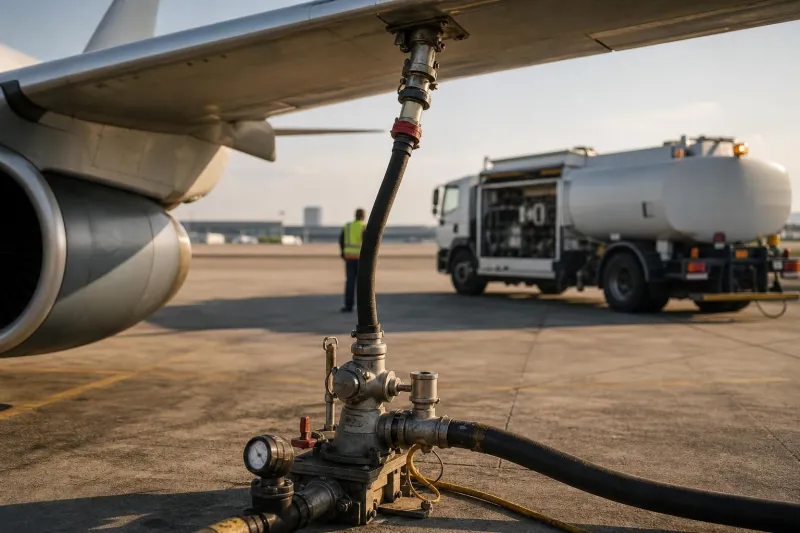
The FAA has released Version 1.0 of its unleaded avgas transition plan, updating the January draft that lays out a four-phase process to eliminate 100LL by the end of 2030, except in Alaska. The revised document adds detail on several risks flagged in the draft but does not deliver the full national transition schedule its title suggests.
On fuel compatibility, the FAA commits to conducting commingling testing during Phase 1, noting that while all three candidate unleaded fuels are approved or seeking approval to mix with 100LL individually, developers do not currently support mixing the unleaded fuels with one another; if that testing fails to produce a workable solution, the FAA warns regional fuel markets could fragment and misfueling risk could rise. On rulemaking, the FAA now expects to initiate required rulemaking during Phase 2, once it has gathered data on candidate fuels and some initial operating experience, with the proposed rule potentially addressing Phase 3 and 4 schedules, regulatory costs, and alternatives. On cost, the FAA acknowledges it does not yet know what modifications individual aircraft may need, what those modifications will cost, or how costs will be split among owners, fuel companies, and government entities.
Version 1.0 still does not define the level of fuel availability, in production capacity, airport coverage, or geographic reach, required before 100LL can be phased out, and it sets no hardship provision, permanent 100LL exception, or owner-assistance program for aircraft facing economically impractical modifications, nor does it commit airports to supporting every approved fuel. The FAA names fuel production, infrastructure, fleet readiness, and supporting policy as the transition's four critical-path items, calling scheduling the most significant risk, and says Version 2.0, expected after Phase 1 concludes in late 2027, will define schedules and activities for Phases 2 through 4, alongside continuing updates, a public FAQ, and a summary of how comments on the draft were handled.