Poland imposes restricted airspace zone in east from September 10 to December 9, 2026 to support air defence
Why It MattersLayered, time-boxed restricted zones let states expand military air-defence freedom of action near sensitive borders while keeping commercial altitudes and routine airport operations largely unaffected.
What happened
Poland will restrict air traffic over the eastern part of the country from 10 September to 9 December 2026, under a temporary restricted zone designated EP R134, according to Poland's Armed Forces Operational Command.
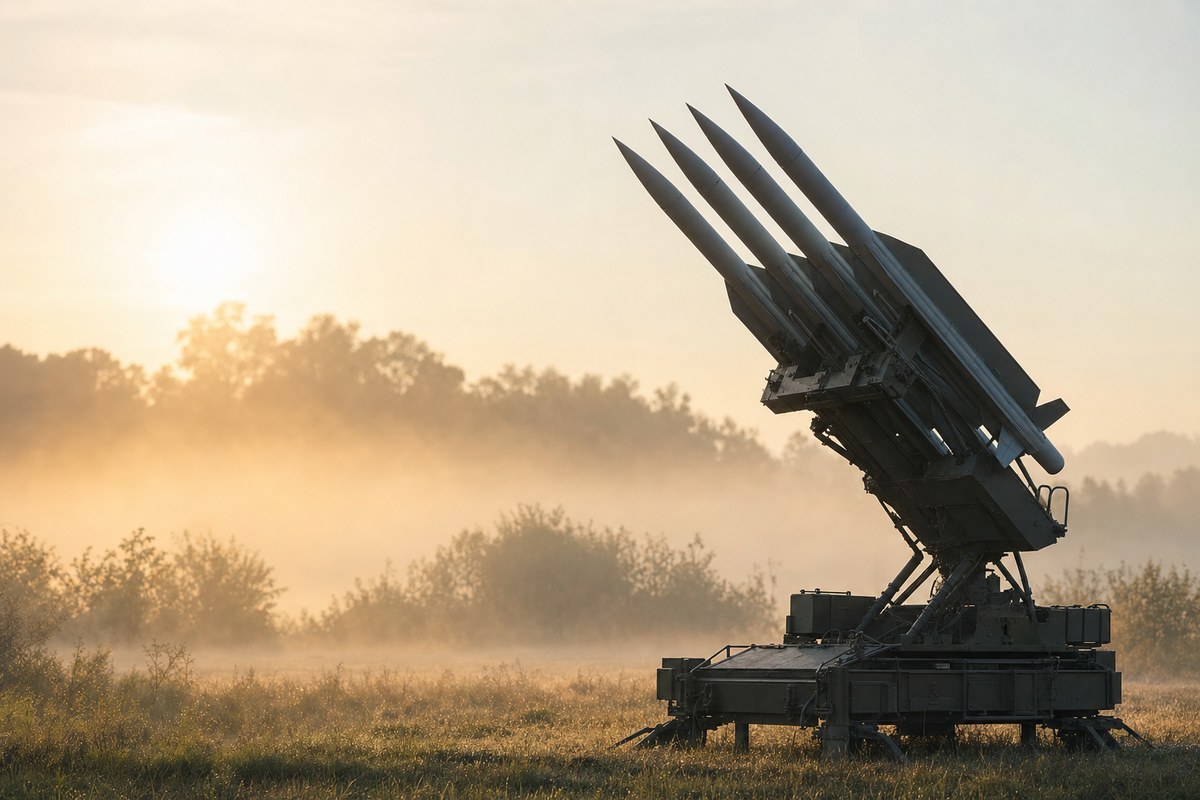
The zone extends from ground level up to flight level FL95, approximately 3,000 metres altitude. The command said commercial passenger aircraft operate at significantly higher altitudes and will not be affected by the restrictions. The measures are intended to ensure more effective operation of Poland's military air defence system in the east of the country, giving all elements of that system freedom of action and the ability to respond to potential threats, while minimising impact on civilian aviation and other airspace users.
The strictest restrictions apply at night, from sunset to sunrise, during which all flights within the EP R134 zone will be prohibited. Exceptions are made for military aircraft and for take-offs and landings at Depułtycze Królewskie airport (EPCD) near Chełm, provided such operations are agreed in advance. During nighttime hours, the airspace within the zone holds unclassified status. The Polish military published a map showing the area covered by the restrictions.
Industry impact & what to watch
This case fits the broader move by states bordering active conflict zones to carve out low-altitude military corridors without closing airspace to overflying commercial traffic. Setting the ceiling at FL95 keeps the restriction below the levels airliners cruise at, so scheduled and long-haul flights through the region continue largely unaffected while general aviation, local flights and operations tied to Depułtycze Królewskie airport face the real constraint.
How such zones function day to day depends heavily on the exceptions carved into them: here, night-time closure is absolute except for military traffic and pre-agreed airport operations, which means any civilian user near Chełm must coordinate takeoff and landing timing well ahead rather than assume normal access.
What will matter over the coming months is whether the zone's boundaries or nightly closure hours are adjusted as the underlying air-defence requirement evolves, and whether the December 9 end date holds or is extended, as such temporary restricted zones near sensitive borders are often renewed rather than allowed to lapse.