Ottawa Airport Passenger Growth, Led by International Traffic, Widens Scope for Private Flying
Why It MattersGrowth led by international routes and a business and diplomatic customer base widens the market for charter and private aviation, while terminal and gate capacity becomes the constraint on handling more traffic.
What happened
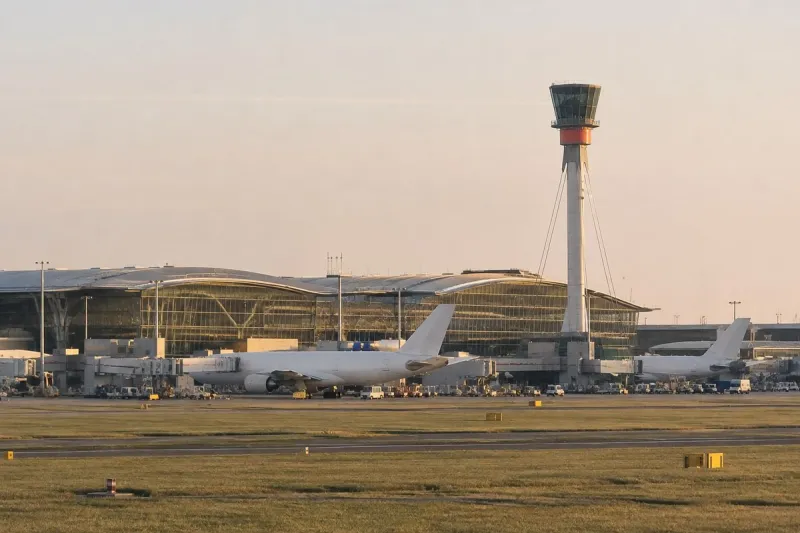
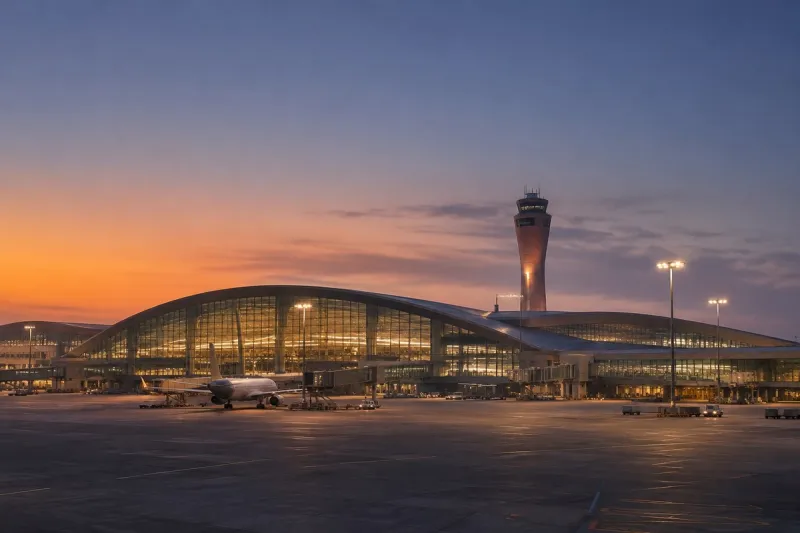
Ottawa International Airport (YOW) handled 4.9 million passengers in 2025, up 6% on 2024, according to the Ottawa International Airport Authority's 2025 results.
By segment, 3.7 million passengers flew within Canada, up 6%. Another 0.7 million travelled to or from the U.S., down 2%, and 0.5 million travelled internationally, up 12%. The Authority attributes the international growth to Air Canada's reinstated London-Heathrow service, Air France's continued Paris-Charles de Gaulle service, and travellers choosing Caribbean destinations.
Connecting passengers made up 12.4% of YOW traffic in 2025, up from 11.8% a year earlier. The Authority has selected a design team for a dedicated Connection Centre, with the project entering its design phase in January 2026. Its annual report expects about 5.1 million passengers in 2026 and 6.1 million by 2030.
Private aviation options in the capital region
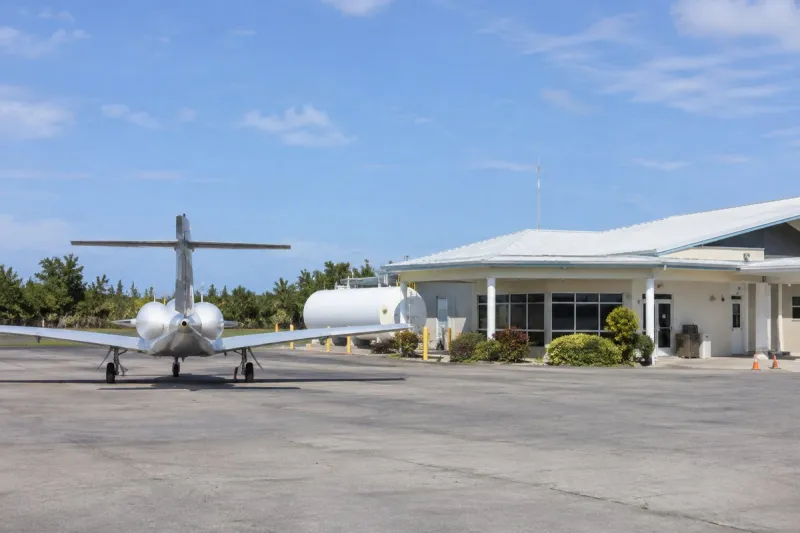
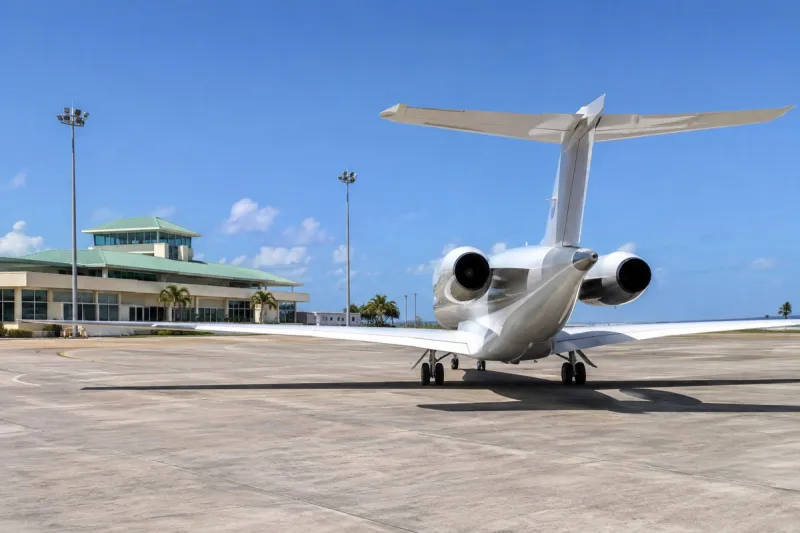
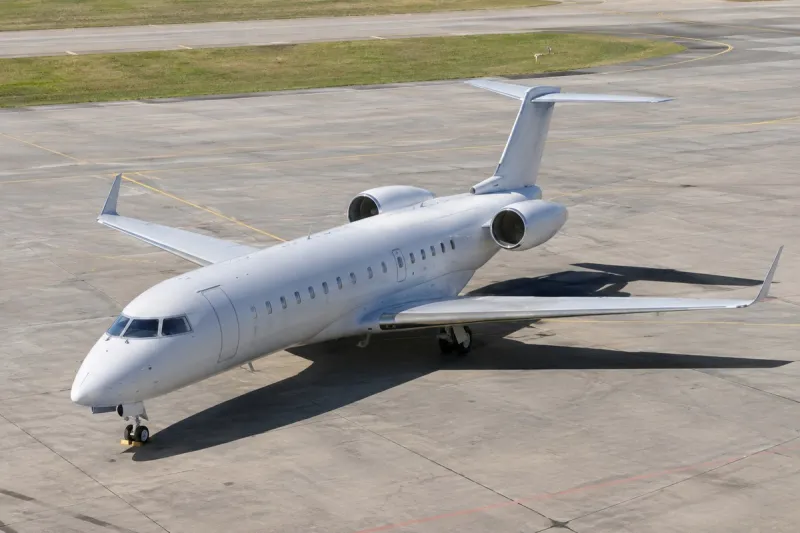
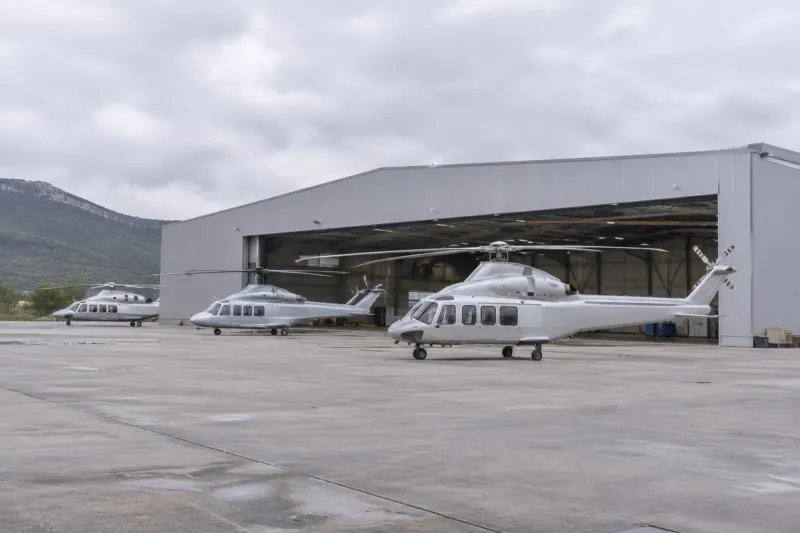
The airport authority lists three fixed-base operators at YOW, private terminals that handle charter flights and visiting aircraft.
Across the river, Gatineau-Ottawa Executive Airport has a 6,000-foot (1,829-metre) runway and an on-site Canada Border Services Agency office. It sits about 20 minutes from downtown and allows smaller private aircraft arriving from abroad to clear customs on arrival.
Demand drivers cited
The article links demand to the region's business and diplomatic activity. The Defence Innovation Hub counts more than 330 defence, aerospace and cyber companies, and Canada has committed to raising defence spending toward 5% of GDP by 2035.
A 2026 Kanata North Business Association report puts the economic output generated by Kanata North, Canada's largest technology park, at $17.9 billion across the country. Ottawa hosts around 130 embassies, and the CANSEC aerospace and defence trade show draws international delegations. The article presents private and charter flights as a way for such visitors to travel.
Industry impact & what to watch
Airports where international and connecting traffic grow faster than the domestic base tend to see more of the visitors who use charter and private lift: delegations, executives and defence-sector travellers with schedules that airline timetables serve poorly. A capital with a dense diplomatic and technology employer base fits that profile, and the existence of three FBOs at YOW plus a customs-equipped alternative at Gatineau-Ottawa gives that demand more than one place to land.
The flip side is capacity. The airport's own projection of 5.1 million passengers in 2026 and 6.1 million by 2030 implies more pressure on gates and facilities, and general aviation shares that infrastructure with the airlines. How slots, apron space and terminal time are allocated between scheduled and private traffic is a structural question for any airport on this growth path.
The next dated milestone is the Connection Centre's design phase, which began in January 2026. What that design includes, and how the 2026 passenger forecast tracks against actual traffic, will show how much room the airport expects to have for non-airline flying.