Boeing Awarded Another $11.7 Million for Unspecified Repairs on Delayed VC-25B Air Force One Jets
Why It MattersRecurring add-on awards to a fixed-price development contract show how a bespoke government aircraft conversion can leave the manufacturer absorbing losses while schedules slip years and interim aircraft carry the mission.
What happened
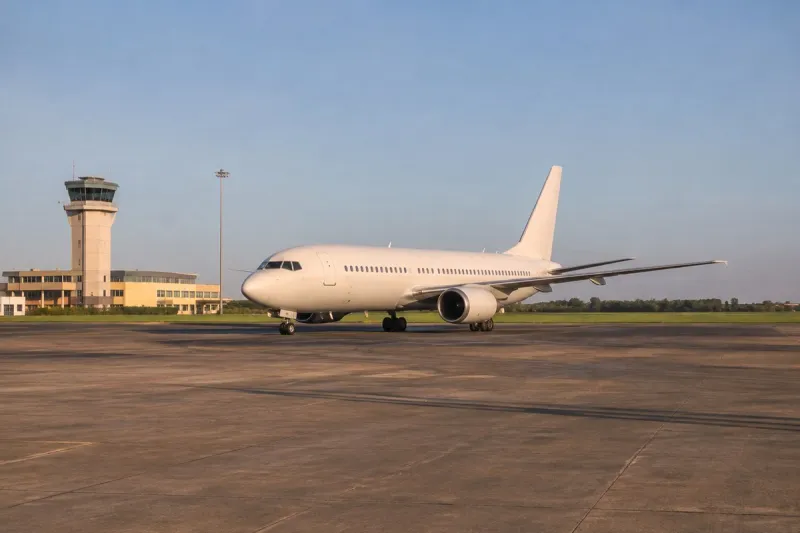
The US Air Force has awarded Boeing an additional $11.7 million under its existing VC-25B contract for repairs to unique aircraft components on the two Boeing 747-8 airframes being converted into the next Air Force One. The Department of Defense's latest contracts announcement says the work will be carried out at Joint Base San Antonio, Texas, and is expected to be completed before the two jets are delivered.
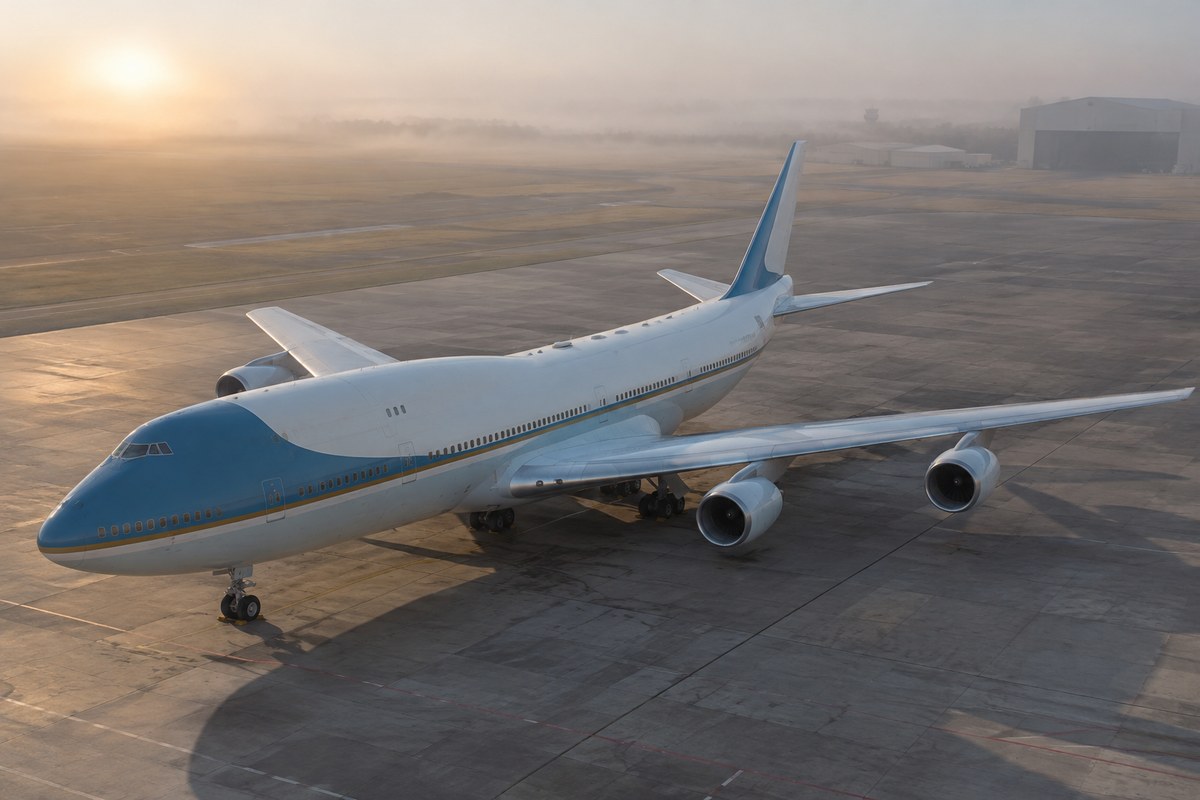
Both airframes were originally built for Russian airline Transaero, which collapsed before taking delivery; the US government acquired them, with conversion work starting on the first jet in February 2020 and the second in June 2020. Boeing signed the original firm-fixed-price development agreement in 2018 for approximately $3.9 billion, and separately funded requirements have pushed the overall contract value beyond $4.5 billion. Boeing's cumulative losses on the program are estimated to exceed $3 billion.
Air Force figures reported in July 2026 cite approximately 300 stringer cracks on each jet. An April progress report recorded 237 remaining stringer repair or installation tasks across both aircraft, a figure specific to April 13. Other problems include interior design changes, a change of interiors supplier, complicated wiring installation, staffing shortages, and difficulties obtaining certified windows and cockpit windshields, along with engineering inefficiencies and excessive rework identified by the Pentagon.
Earlier funding includes $125 million authorized in 2026 for initial spare parts and a $15.5 million modification in December 2025 to expand communications capabilities. The Air Force has also acquired two former Lufthansa Boeing 747-8 aircraft for $400 million, one for training and one for spare parts.
The first VC-25B is expected to be powered up in its new configuration before the end of 2026, with a first test flight scheduled for 2027. Delivery of the first aircraft is expected in mid-2028 and the second around mid-2029, roughly four years behind the original 2024 objective. In the meantime, the Air Force is using an interim VC-25B Bridge aircraft, a Qatari-donated Boeing 747-8 converted by L3Harris, which carried President Donald Trump nonstop from Shenzhen, China, to Joint Base Andrews on November 19 on an approximately 15-hour flight that the White House described as the longest nonstop trip of its kind.
Industry impact & what to watch
A firm-fixed-price development contract is meant to put cost risk on the manufacturer, and the figures here show what that looks like when the scope keeps moving. The original agreement was for approximately $3.9 billion, yet separately funded requirements have taken the overall value past $4.5 billion, while Boeing's cumulative losses are estimated to exceed $3 billion. Small modifications such as this $11.7 million award sit on top of that base and do not change the larger picture.
The program also illustrates the limits of converting second-hand airframes for a one-off government mission. Jets built for a different customer arrive with their own structural history, and the stringer cracks, window and windshield certification problems and wiring complexity listed in the Air Force figures are the kind of work that cannot be scheduled with confidence until the airframe is opened up. The purchase of two former Lufthansa 747-8s for training and spares reflects how thin the support base is for a low-volume variant.
The milestones that would test the current schedule are already dated: powering up the first jet in its new configuration before the end of 2026, a first test flight in 2027, and deliveries in mid-2028 and around mid-2029. Until then the Qatari-donated bridge aircraft converted by L3Harris carries the presidential mission, as it did on the roughly 15-hour nonstop flight from Shenzhen to Joint Base Andrews.