Foothills Regional Airport Receives $3M State Grant for Emergency Readiness After Hurricane Helene
Why It MattersHelene showed that small general aviation fields serve as disaster-relief nodes when roads fail, and state funding now ties continuous-operation and fuel-availability requirements to the infrastructure that sustains that role.
What happened
Foothills Regional Airport has received a $3 million state grant to improve its ability to respond to emergencies and support disaster relief. The money adds to millions already committed to airport construction and infrastructure projects serving Burke and Caldwell counties.
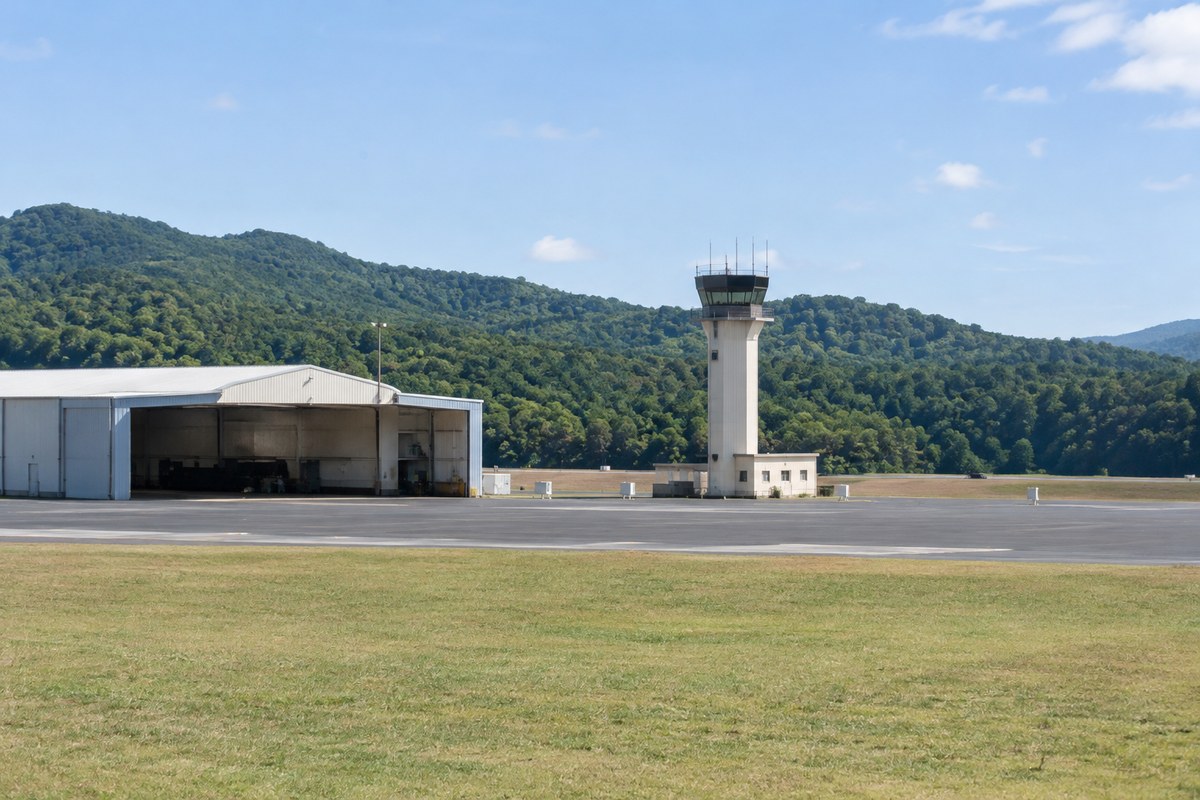
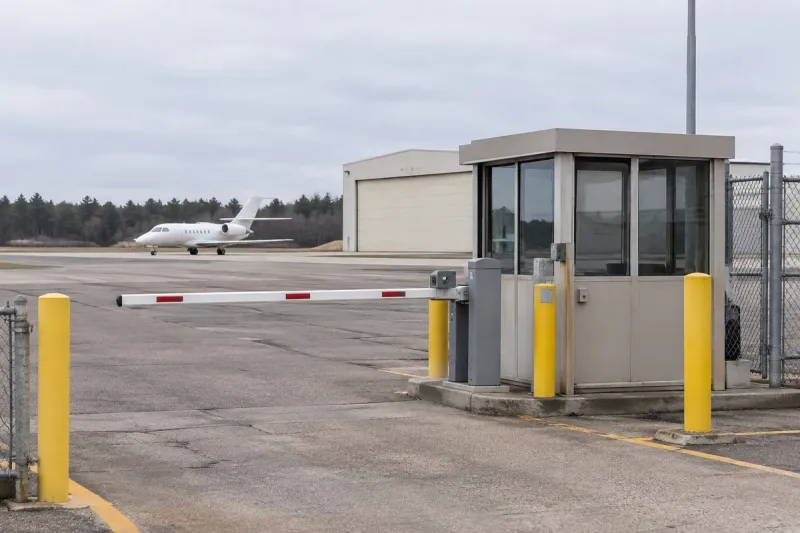
The funding will pay for standby backup generators throughout the airport, expansion of the aircraft parking areas, and removal of trees near the airport entrance. The improvements are intended to keep the airport operating during emergencies while providing additional space for aircraft and relief operations.
"One of our struggles during Hurricane Helene was lack of ramp space," said Brent Brinkley, Foothills Airport manager. Immediately after the storm, dozens of rescue and service aircraft refueled at the airport and ferried emergency supplies into western North Carolina, and some aircraft had to park on taxiways, impeding traffic.
The state program and its criteria
The program was established to improve regional aviation infrastructure and emergency response capabilities following Hurricane Helene, which demonstrated the importance of smaller airports when damaged roads left mountain communities isolated. According to the governor's announcement, 17 airports applied for approximately $72 million in funding.
The state reported that air traffic across the Western North Carolina region increased 300% following Helene as general aviation airports became emergency distribution centers, delivering supplies and transporting first responders when roads were impassable.
To qualify, airports must meet requirements that include around-the-clock fuel availability, access to on-site aviation mechanics serving the public, the ability to operate continuously during a declared emergency, and agreements allowing state access to grant-funded facilities. "Enhancing these nine Western North Carolina airports is great news for our state's ability to respond quickly to disasters," Stein said.
Industry impact & what to watch
Disaster response in mountain terrain leans on airports that rarely feature in national planning. When roads fail, a general aviation field with fuel, mechanics and open ramp becomes the logistics hub, and the constraint is physical space and power rather than runway length. The Foothills spending targets exactly those limits: generators for continuity, parking for surge volume, and tree removal at the entrance.
The eligibility criteria show how the state defines a usable relief airport: fuel around the clock, public-facing maintenance, continuous operation under a declared emergency, and state access to the funded facilities. These conditions turn a grant into a standing arrangement, so the airport's role in future events is written into the funding terms.
The gap between 17 applicants and roughly $72 million requested, against nine airports named as beneficiaries, indicates that demand for this kind of resilience money exceeds what the program covers. The next point to follow is how the remaining applicants' projects are handled, and whether Foothills' added ramp space is in place before the next regional emergency.