UAE Air Ambulance Operators Rework Routes and Backup Plans After Iran Conflict Disrupts Regional Airspace
Why It MattersThe episode shows air ambulance capacity depends on airspace access and commercial connections, so UAE operators are now building standing alternate routes, onward road legs and hospital partners into planning.
What happened
UAE-based air ambulance operators overhauled how they work after the Iran conflict exposed the risk of relying on regional airspace. Tens of thousands of flights were cancelled in March, and medical aviation companies had to find alternative routes.
Dubai-based Bluedot Air Ambulance carried out almost 500 medical evacuations in only 17 days during the first weeks of the conflict, moving patients by road through Oman before arranging onward flights. The company normally completes around 70 medical flights a month, about 50 of them for critically ill patients. Chief executive Vinod Nair said nearly 70 per cent of the patients it carried were on ventilators, and others relied on life-support medication. He said missions lined up on February 28, when the conflict started and the airspace closed, were grounded until the UAE government began op…
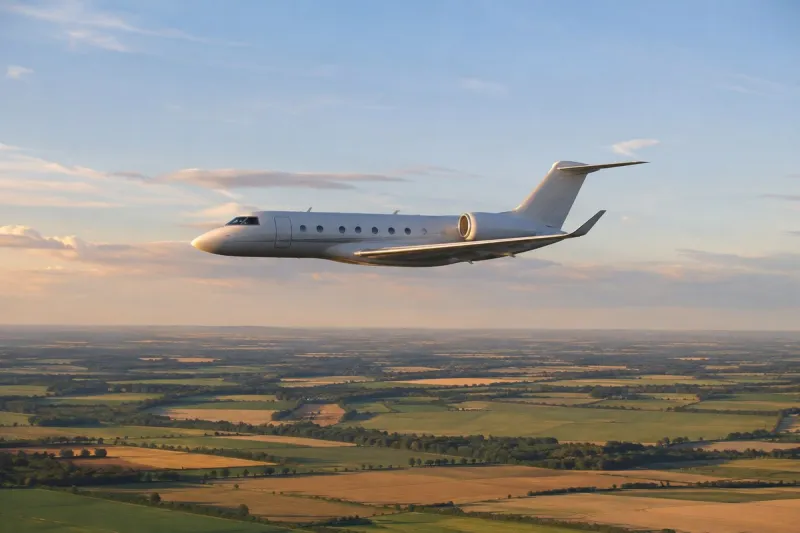
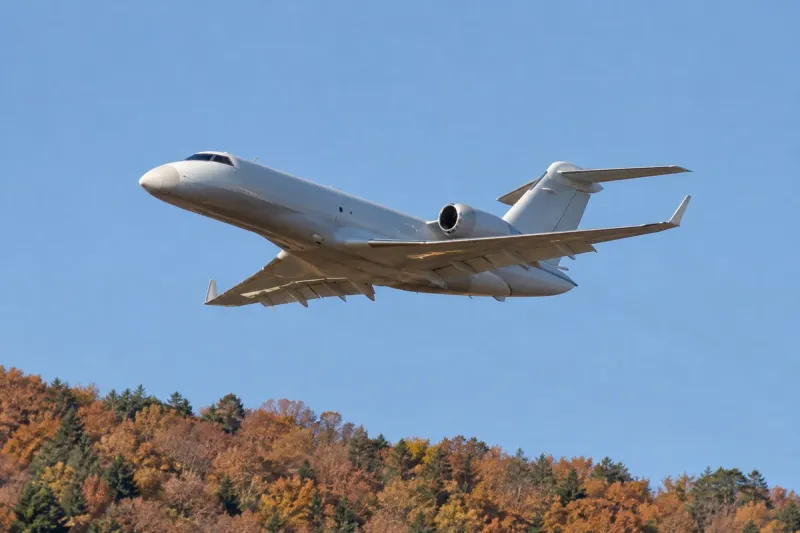
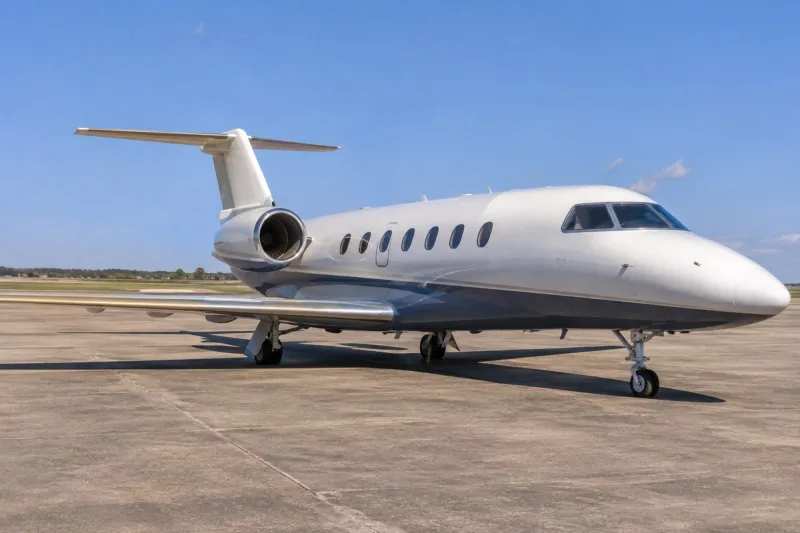
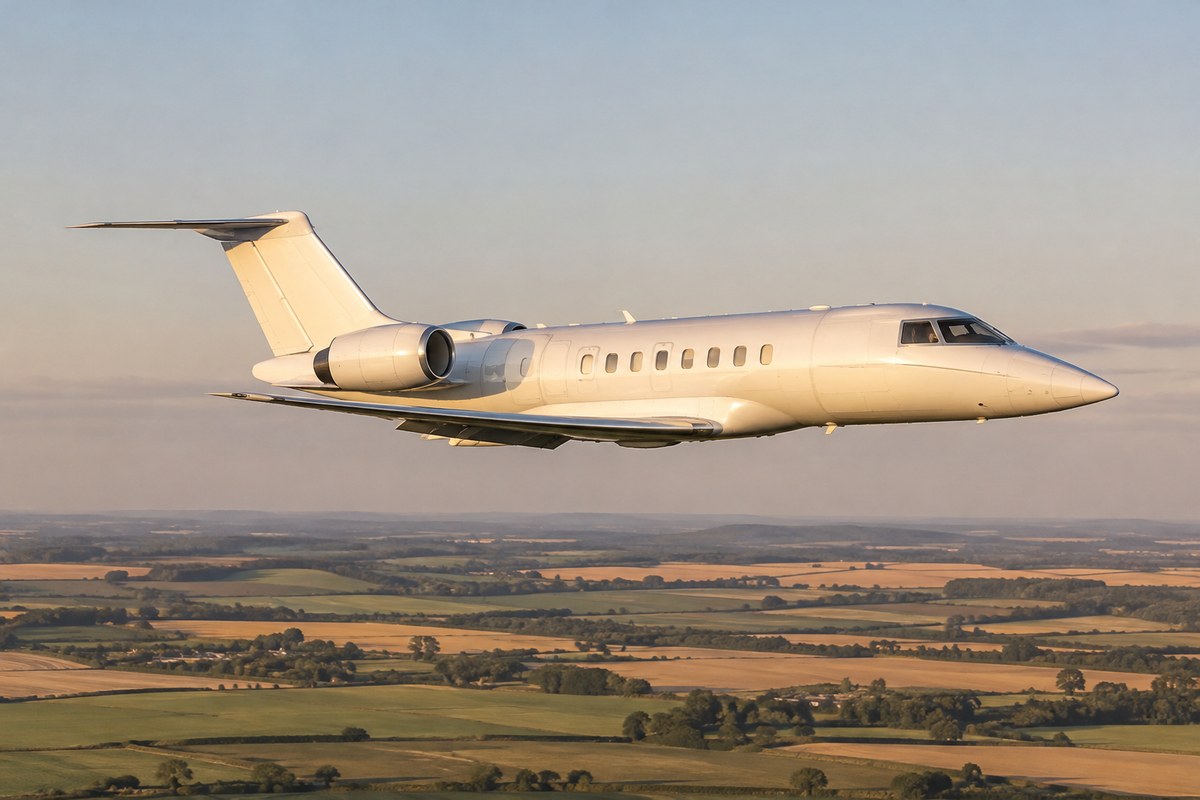
Bluedot now maintains multiple backup routes and hospitals on standby around the world, and an aviation security specialist monitors potential disruptions. Since 2020 it has completed more than 7,000 medical missions across 186 cities in 97 countries. It operates two medically equipped Bombardier Challenger-series private aircraft and also arranges medically supported travel on commercial airlines, with a doctor, nurse or paramedic accompanying patients.
Gerrit Vrieze, CEO of EMS Ambulance, which offers ICU-level aircraft from its Dubai base, said the biggest challenge was not airspace closures but heavily disrupted commercial flight options. He said fuel prices rose and smaller jets had to make extra refuelling stops on rerouted flights, increasing costs for clients. He cited a transport in which a patient wished to fly from the Netherlands back to Iran: the aircraft flew to Ashgabat, Turkmenistan, and ground transport was arranged across the border.
Hospitals in the UAE were also affected. Dr Mohaymen Abdelghany, group chief executive of Fakeeh Health UAE and Fakeeh University Hospital, said airline disruption initially limited its ability to support international patients, lasting until around May before conditions gradually returned to normal. The hospital's rooftop helipad in Dubai Silicon Oasis is being used to train staff to receive more emergency patients by air.
Industry impact & what to watch
Air medical evacuation is usually thought of as a point-to-point flight, but these accounts show it is a chain: an aircraft, an open airspace corridor, a receiving hospital and, often, a commercial or ground leg at either end. When one link closes, the rest of the chain has to be rebuilt quickly. Bluedot's use of road transfers through Oman before onward flights, and EMS Ambulance's ground leg across the Turkmenistan border, are two versions of the same adaptation: the aircraft no longer flies the whole route.
Cost behaves differently from capacity in this kind of disruption. Vrieze's point that smaller jets needed extra refuelling stops, and that fuel prices rose, means rerouting adds expense even where an aircraft can still fly. For a segment that sells urgency and certainty, standing alternates and pre-arranged hospital partners become part of the product, as Bluedot's backup routes and security monitoring show.
The hospital side is moving in the same direction, with Fakeeh training staff on its Dubai Silicon Oasis rooftop helipad to receive more emergency patients by air. The next test is whether these standing arrangements hold up in the next regional closure, and how operators price the extra legs and stops they now plan for.