European consortium of 33 partners publishes findings on integrating vertiports and VCA into ATM and U-space frameworks
Why It MattersThe findings signal that advanced air mobility rollout across Europe hinges on regulators reworking U-space and ATM digital integration before vertiport networks can scale commercially.
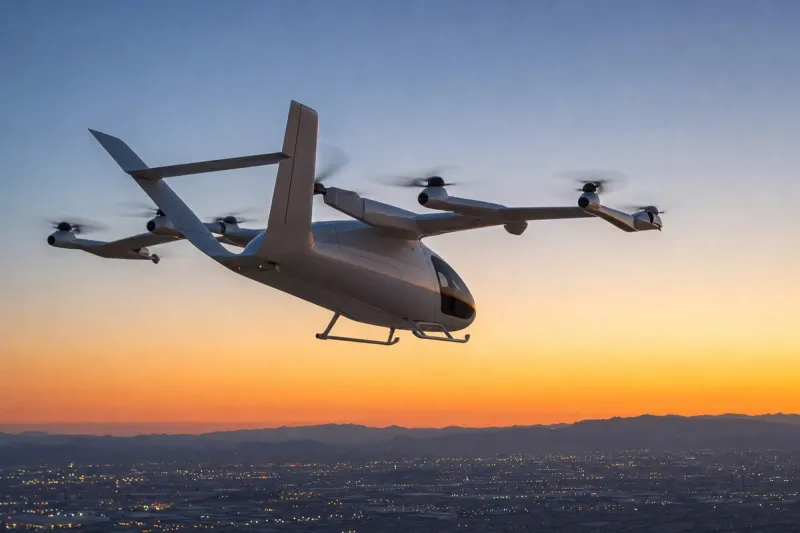
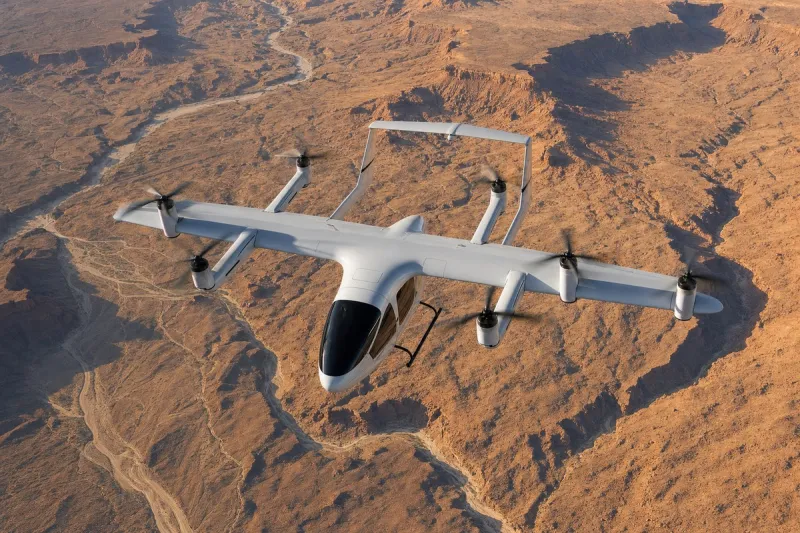
A consortium of 33 European partners has published research analysing the current European regulatory framework for vertical take-off and landing capable aircraft (VCA), identifying required evolutions in U-space and air traffic management (ATM), and demonstrating how vertiports can be digitally integrated into a traffic management system. The researchers concluded that existing airspace structures, flight procedures, and operating procedures, historically designed for conventional aircraft, fall short of addressing the operational characteristics of VCA and vertiports, particularly regarding manoeuvrability, automation, digitalisation, and performance.
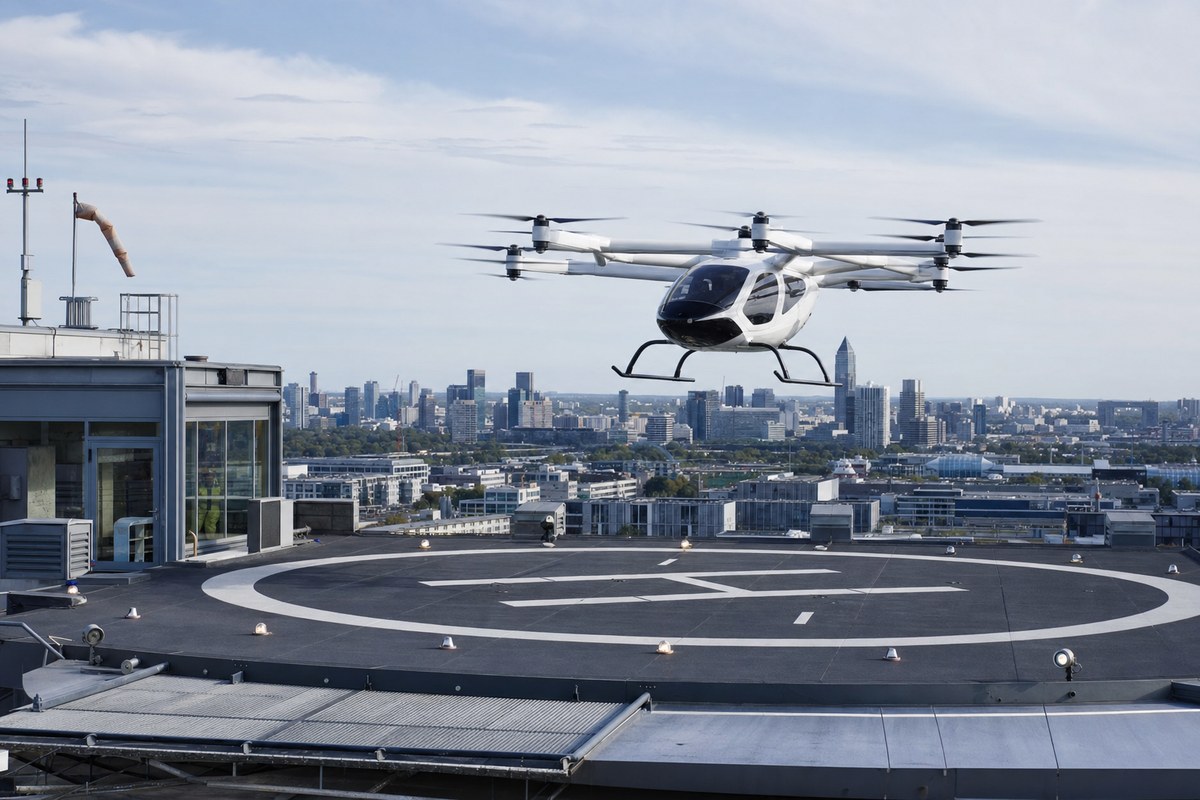
The study examined four operational challenges: where to locate a vertiport, how to operate a vertiport, how to manage VCA at a vertiport, and how to operate and manage VCA within a network of vertiports. Three case studies were conducted in different operating environments, the French Riviera, the Balearic Islands, and Rome, using ICAO's Global ATM Operational Concept as a guiding principle. Proposed concepts were validated through expert judgement, fast-time simulation, and human-in-the-loop simulation.
The results indicate that the digital infrastructure of U-space provides an appropriate baseline for collecting and distributing vertiport-related information to stakeholders. However, the researchers found that current U-space regulation does not sufficiently address vertiport integration and treats VCA as strictly segregated operations, while remotely piloted VCA lack a regulatory baseline for integration and ATM does not yet provide the required digital maturity. The researchers stated that successful deployment of innovative air mobility ultimately depends on an interoperable integration of ATM and U-space, leading to progressive digitalisation of the ATM paradigm.