Key Private-Aviation Airports: Runways, FBOs, Curfews and Drive Times at Leading Business-Jet Hubs
Why It MattersRunway length, curfew rules, customs access and slot capacity together determine which airports can realistically handle particular jet types and mission profiles, not location alone.
What happened
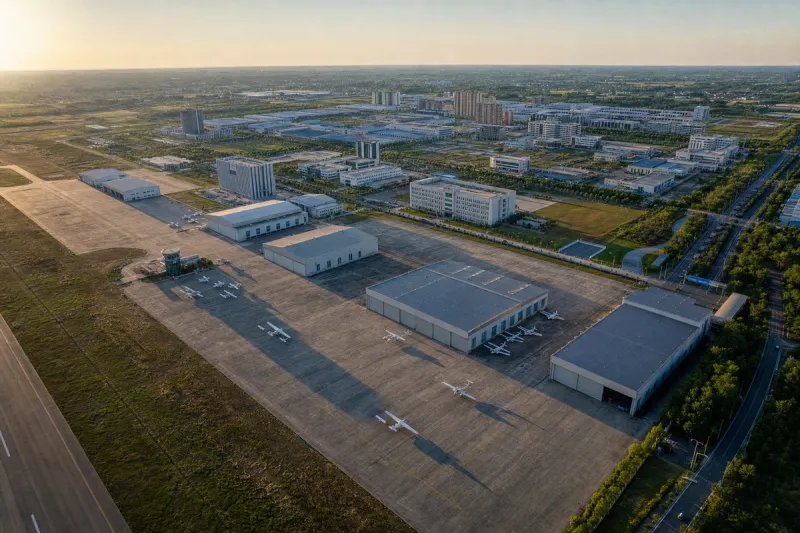
A survey of leading private-aviation airports catalogues the runway lengths, FBO counts, customs arrangements, curfews and drive times that shape where business jets operate worldwide, spanning the United States, Europe, the Middle East and other regions.
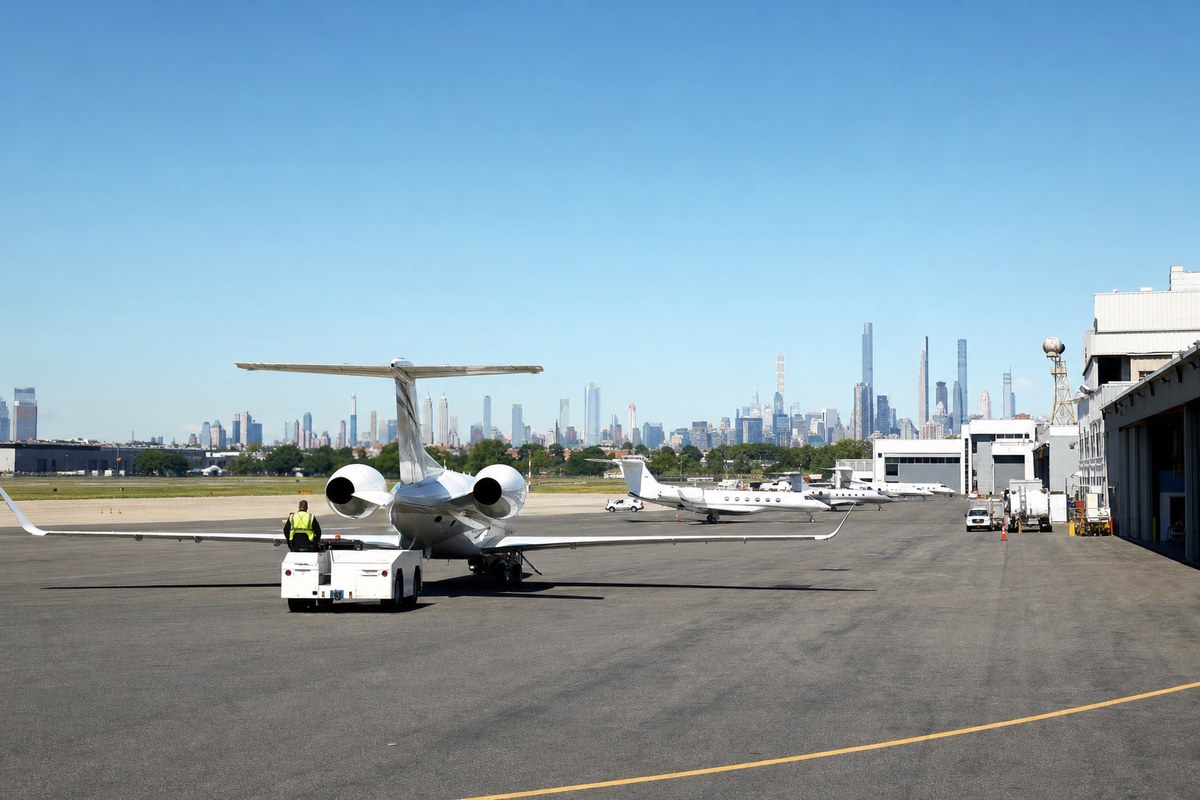
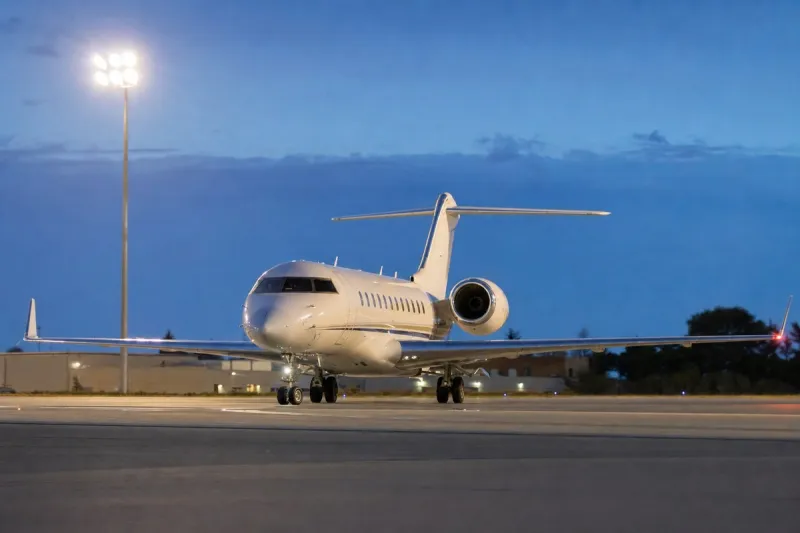
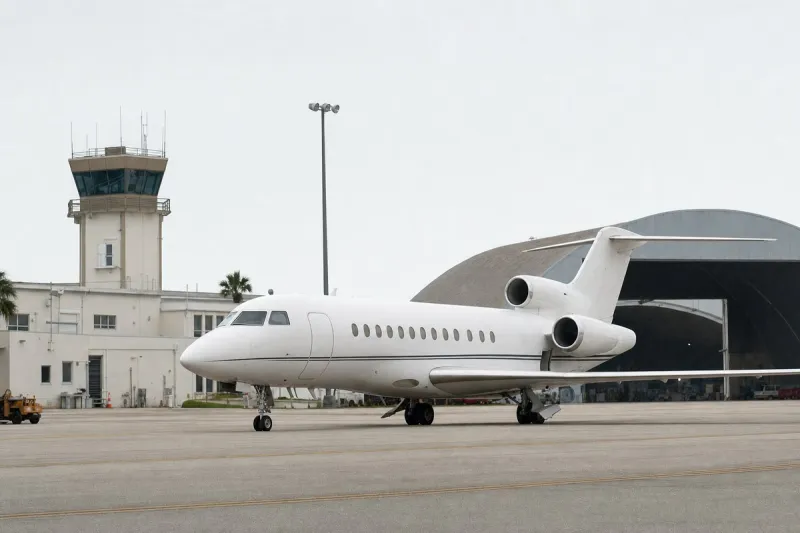
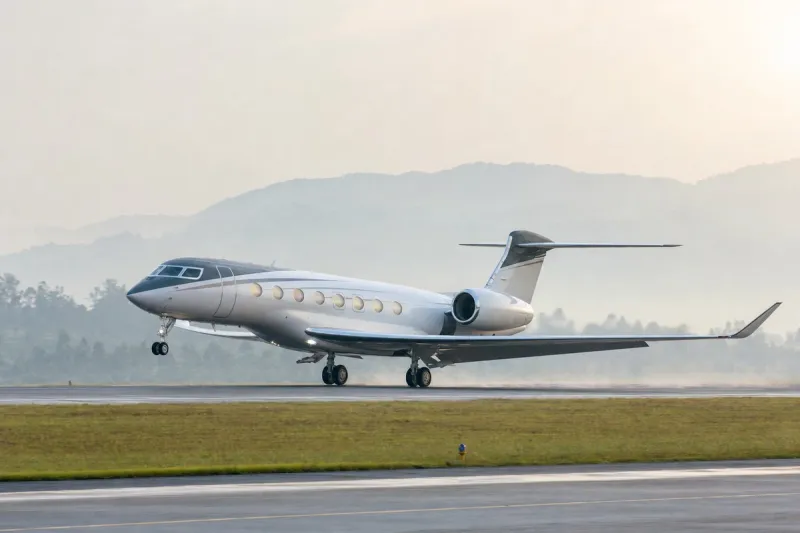
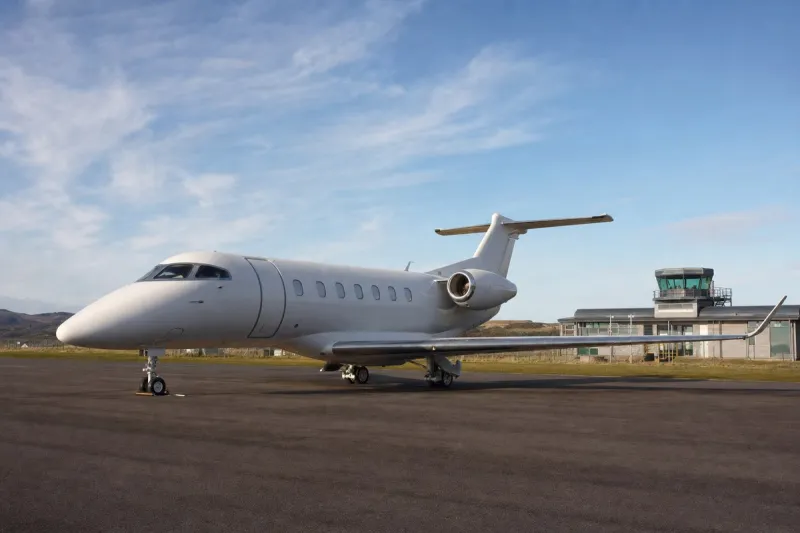
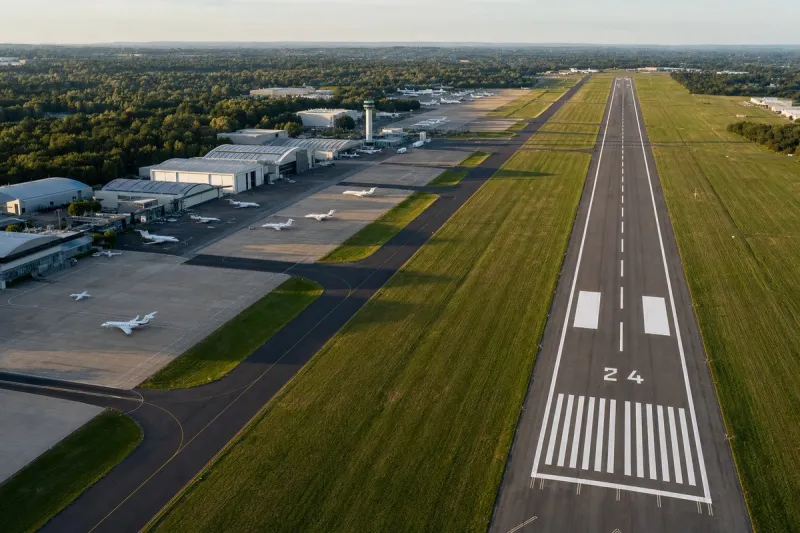
In the United States, Teterboro Airport (KTEB) outside New York is described as America's busiest business-aviation airport, with a 7,000 ft runway, five FBOs and a 35-minute drive to Midtown Manhattan via the Lincoln Tunnel; a 100,000 lb weight limit excludes airliner-based VIP jets, and voluntary noise restraints apply on Runway 24 between 23:00 and 06:00. Van Nuys Airport (KVNY) in Los Angeles, home to Clay Lacy Aviation, is described as carrying the world's largest concentration of managed jets, with an 8,001 ft runway, 24-hour customs via FBOs and a strictly enforced night curfew.
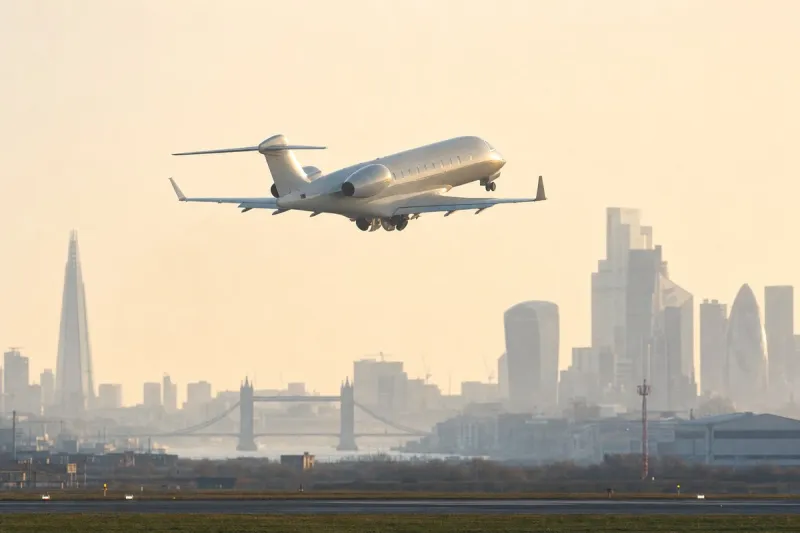
In Europe, Paris–Le Bourget (LFPB) is described as Europe's busiest business-aviation airport, with a 9,843 ft runway, more than six competing FBOs, extensive hangarage, a 30-minute drive to the Champs-Élysées outside rush hour, and a ban on night jet departures. Farnborough Airport (EGLF), described as the UK's only business-only airport, has an 8,005 ft runway, a single-operator FBO, its own customs and immigration handling, and an annual movement cap with weekend limits that tighten slots during the Farnborough Airshow. London Biggin Hill Airport (EGKB) has a 5,925 ft runway and two FBOs.
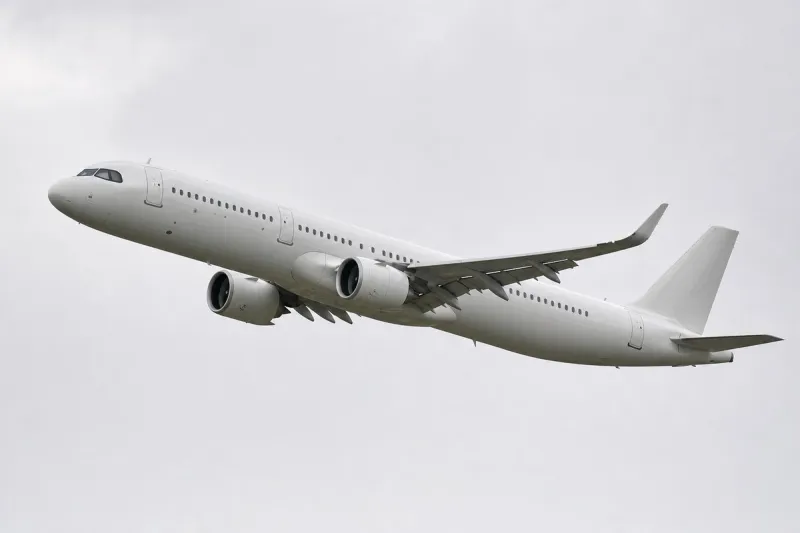
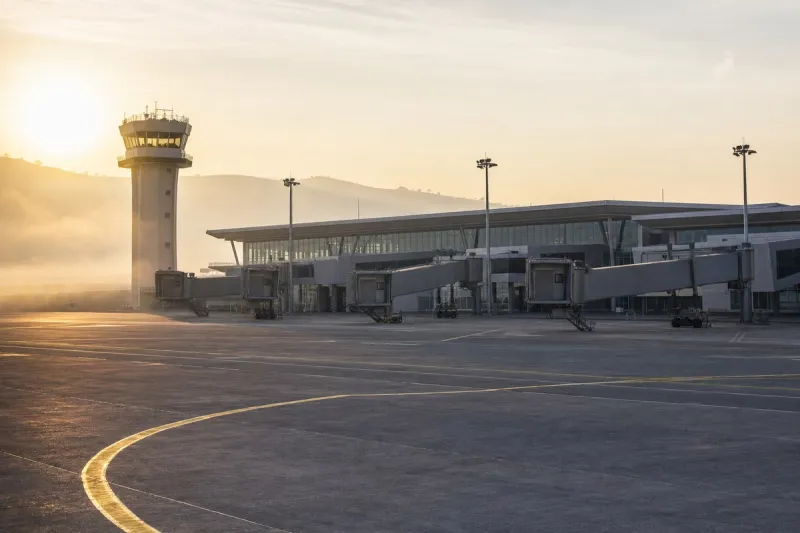
In the Middle East, Al Maktoum International Airport (OMDW) in Dubai has five private terminals, a 14,764 ft (4,500 m) runway, no slot congestion, and is roughly 40 minutes from DIFC. Al Bateen Executive Airport (OMAD) in Abu Dhabi, described as the Middle East's only dedicated business-jet airport, is 15 minutes from the Corniche on a 10,499 ft runway capable of handling aircraft up to BBJ size. Doha International Airport (OTBD) now serves selected operators including Qatar Executive and Rizon Jet.
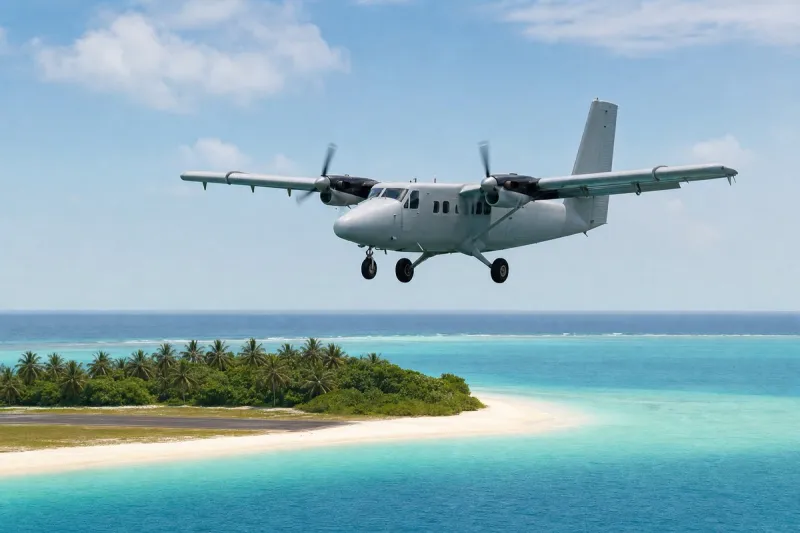
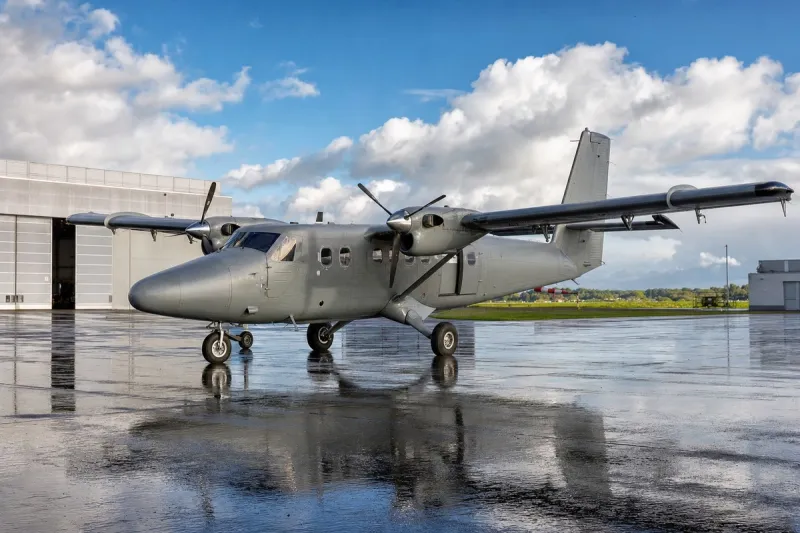
Elsewhere, Gustaf III Airport (TFFJ) on St. Barthélemy has a 2,133 ft (650 m) runway ending at St Jean beach, accessible only to specially qualified pilots in STOL aircraft, with business jets typically landing at St. Maarten and connecting by turboprop or helicopter. Bankstown Airport (YSBK), 35 minutes south-west of Sydney's CBD, has a 4,646 ft runway restricting it to turboprops and light jets, with customs by prior arrangement.
Industry impact & what to watch
Across every region this survey covers, the same handful of variables recur: runway length sets the aircraft categories an airport can accept, curfews and noise rules shape scheduling flexibility, and customs arrangements determine whether an airport works for international trips at all. Teterboro's weight limit excluding airliner-based VIP jets and Le Bourget's night departure ban show how a single rule can remove an entire class of operation regardless of runway capability.
This is how airport selection actually works in business aviation: it is never runway length alone, but the combination of runway, FBO capacity, customs access, curfew and ground drive time that determines fit for a given aircraft and mission. Purpose-built hubs like Al Maktoum, with no slot congestion, and constrained legacy fields like Farnborough, with an annual movement cap, sit at opposite ends of the same trade-off between capacity and location convenience.
What remains open is how these constraints interact during peak demand — Farnborough's tightened slots during its airshow illustrate the pattern, but the survey does not indicate how other capacity-limited fields such as Biggin Hill or Bankstown behave under comparable seasonal or event-driven pressure.