Supersonic Air Travel Poised for Return, But Business Case Remains Unproven
Why It MattersA shift from an outright overland supersonic ban to a measurable noise standard could reopen U.S. airspace to a commercial aircraft category grounded since Concorde's 2003 retirement.
Commercial supersonic flight is edging closer to a possible revival, led by Boom Supersonic's Overture aircraft, even as technical, economic and environmental questions remain unresolved. The United States has banned supersonic flight over land since 1973, but in early July 2026 the FAA, under pressure from President Trump, proposed replacing that ban with a noise standard permitting supersonic flight over U.S. territory as long as the ground-level sonic boom does not exceed 0.11 psf. The FAA is reviewing public comments and aims to finalize the rules by mid-2027.
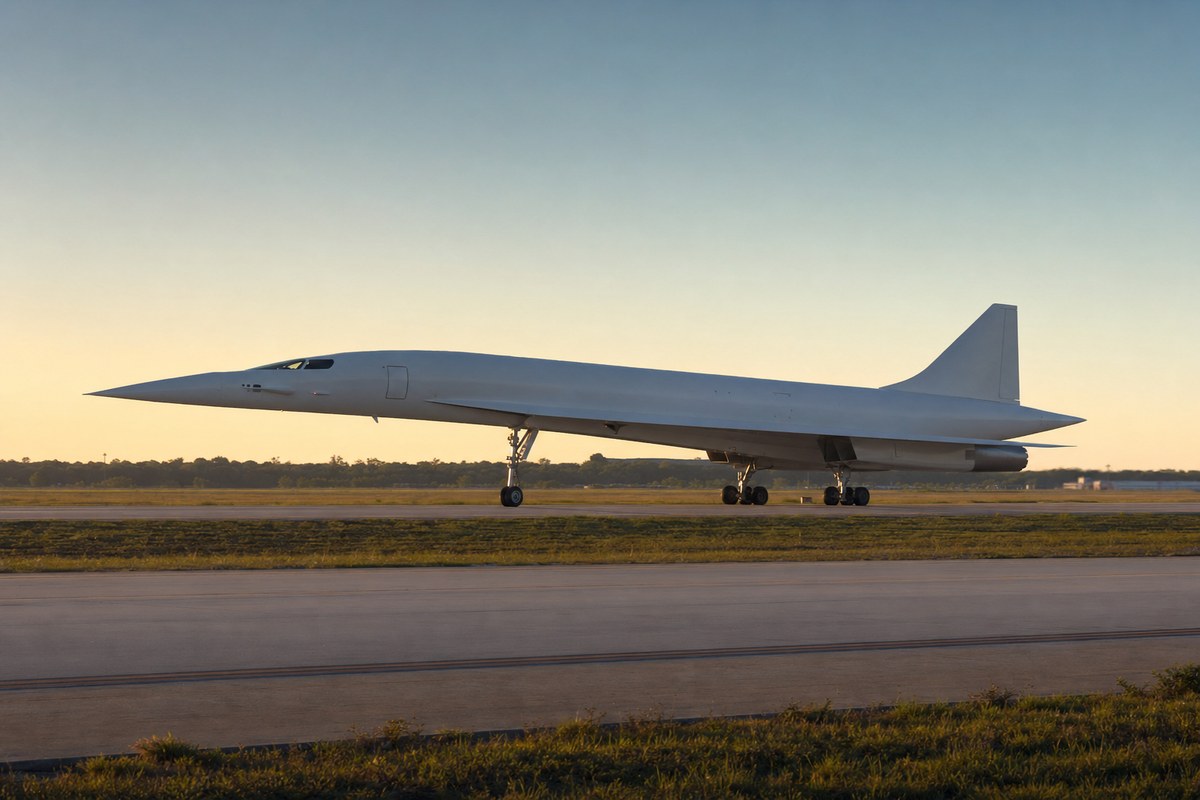
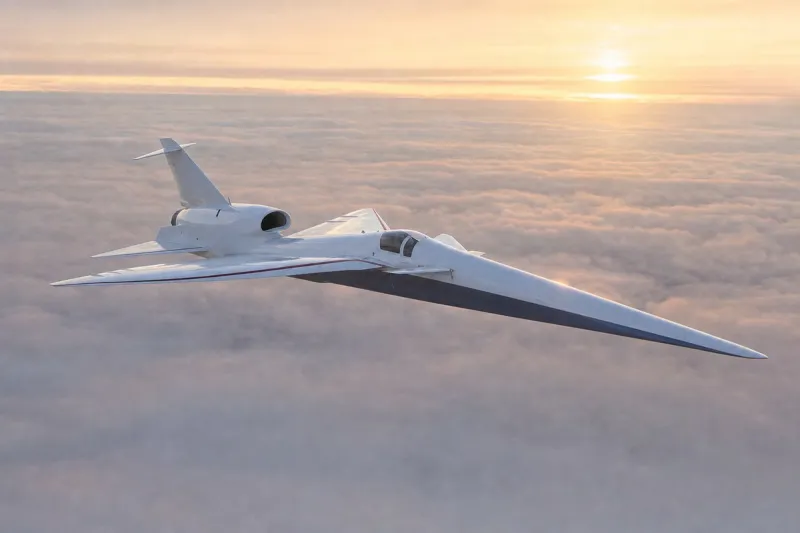
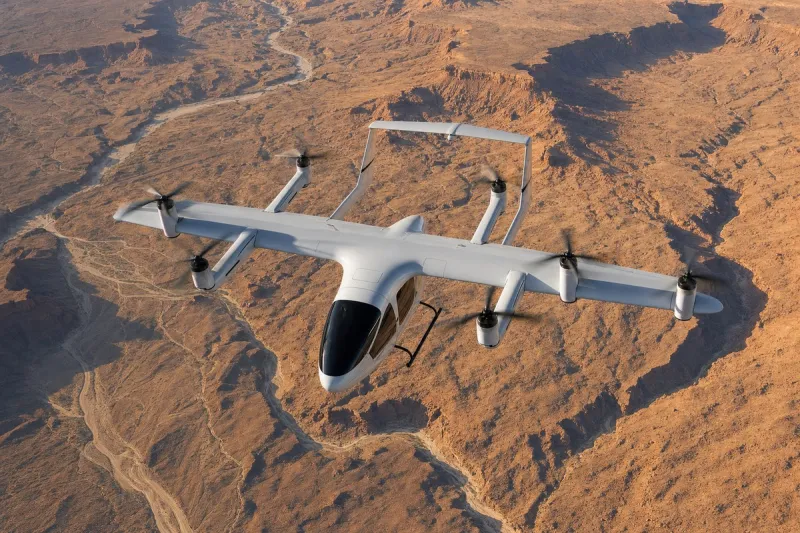
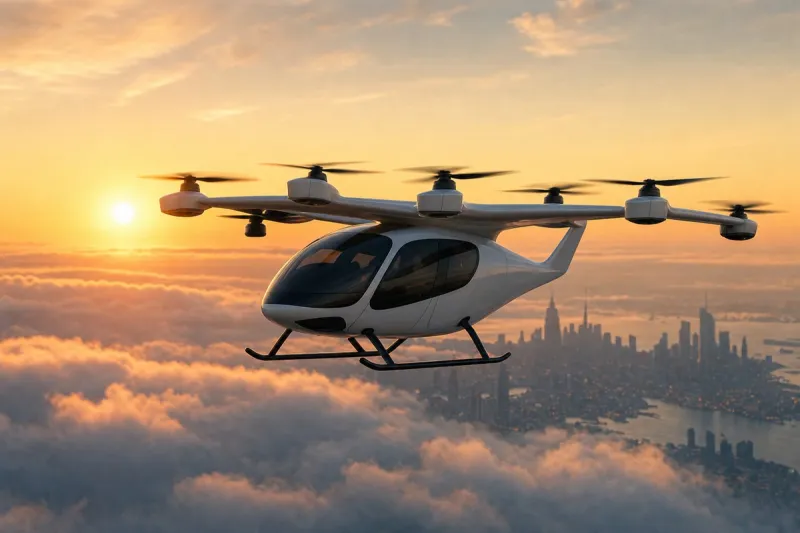
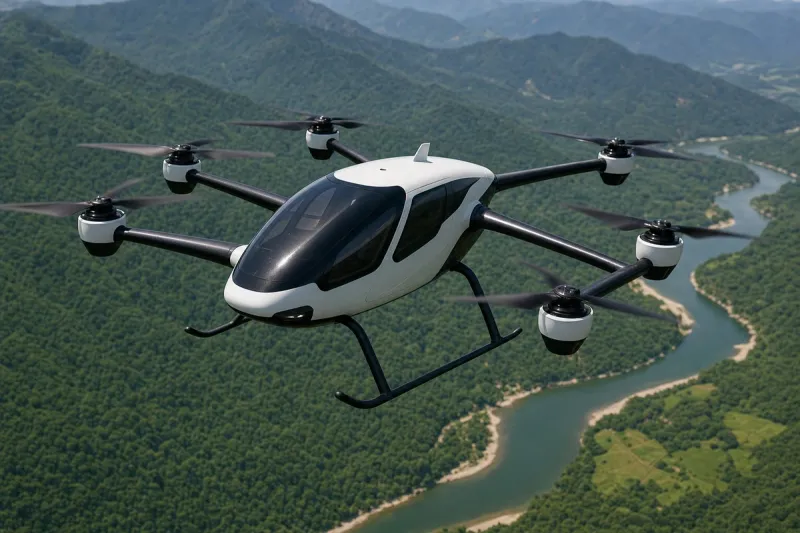
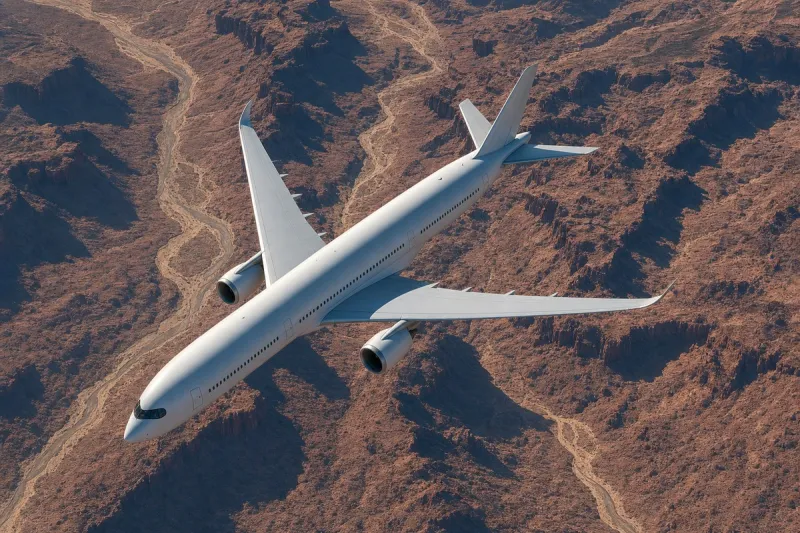
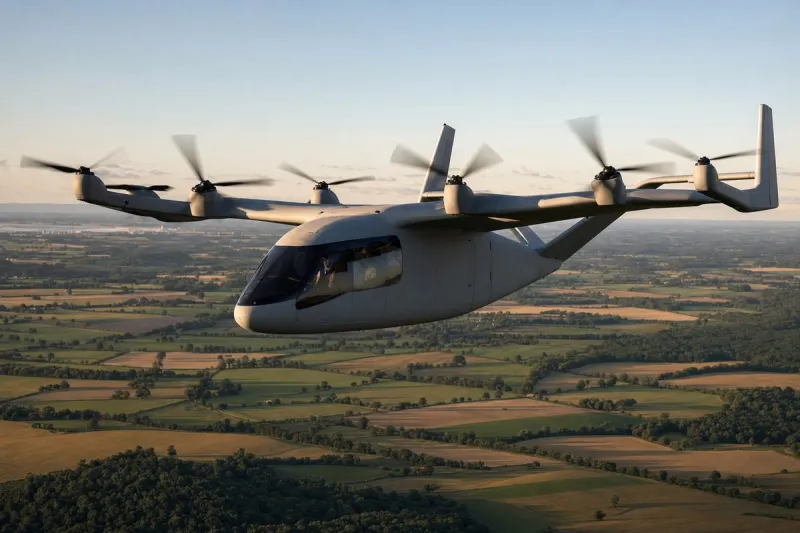
Boom is building the Overture, described as Concorde's modern successor, and has received conditional orders from United Airlines, American Airlines and Japan Airlines, though the aircraft has never flown and its Symphony engine has not completed its most rigorous testing phase; Boom's earlier partnership with Rolls-Royce, Concorde's engine supplier, has ended. In January 2025, Boom's XB-1 demonstrator broke the sound barrier without a sonic boom reaching the ground using a Boomless Cruise technique exploiting the Mach cutoff effect, though the test was flown over an uninhabited desert with a small aircraft rather than a commercial airliner. NASA is separately testing its X-59 experimental aircraft, designed to disperse shock waves into a quieter thump, though a chase plane's own sonic boom made it acoustically impossible to confirm whether the X-59's thump reached the ground.
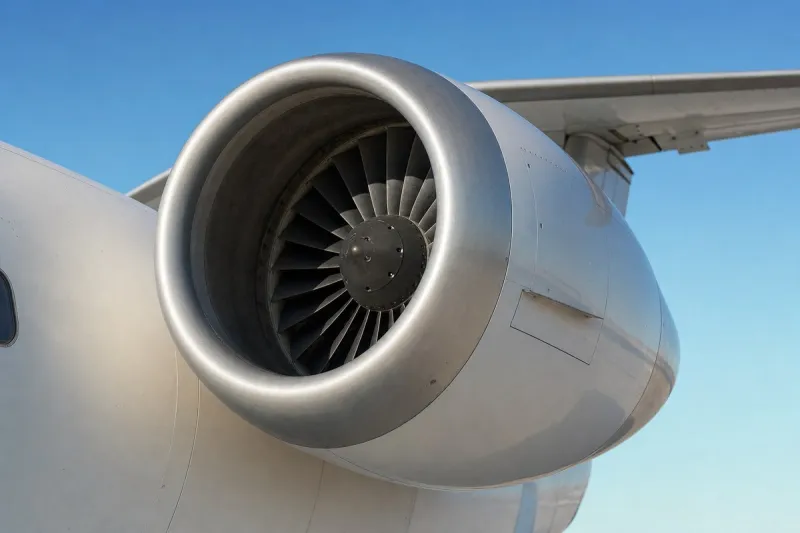
Boom claims the Symphony engine, which sustains supersonic cruise without afterburners, will cut fuel use per passenger by 50% compared with Concorde, which burned about 83,000 liters on a London-to-New York flight, or 14-17 liters per 100km per passenger. Even with that reduction, Overture would still use roughly three times as much fuel per passenger as the Boeing 787 or Airbus A350, which consume 2.3-2.4 liters per 100km per passenger. Supersonic aircraft cruise at 15,000-17,000 meters, well above the 9,000-10,000 meters typical of airliners, where NOx and water vapor can linger up to 20 times longer, and scientists have not reached consensus on the net climate impact.
Boom has designed Overture for more than 600 overwater routes, including New York-London, San Francisco-Tokyo and Miami-London, without requiring the overland ban to be lifted, flying at up to Mach 0.95 over land before accelerating over water. The company is investing hundreds of millions of dollars in the program, citing the typical 10-to-15-year development and certification timeline for new commercial aircraft types.