SkyPark Aviation Group positions Subang as Malaysia's business aviation hub and Singapore's complementary partner
Why It MattersRegional business aviation growth is increasingly framed around complementary infrastructure gaps such as runway length and curfew hours rather than head-to-head competition between neighboring hubs.
What happened
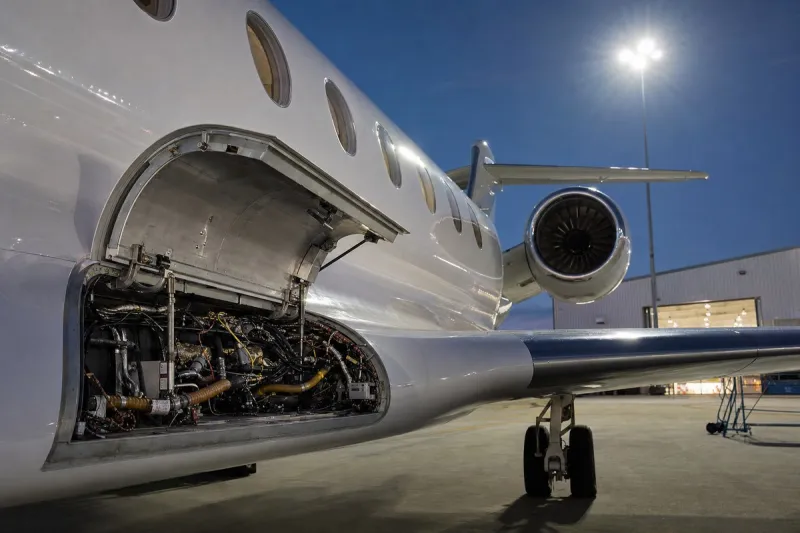
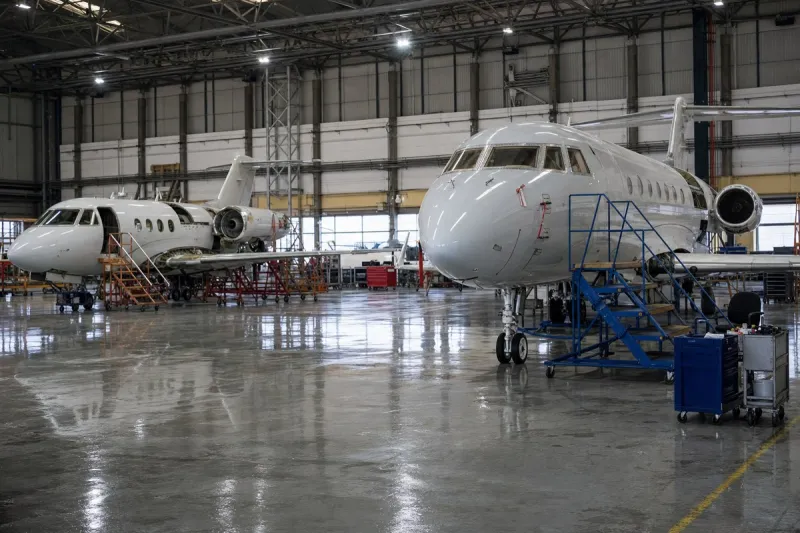
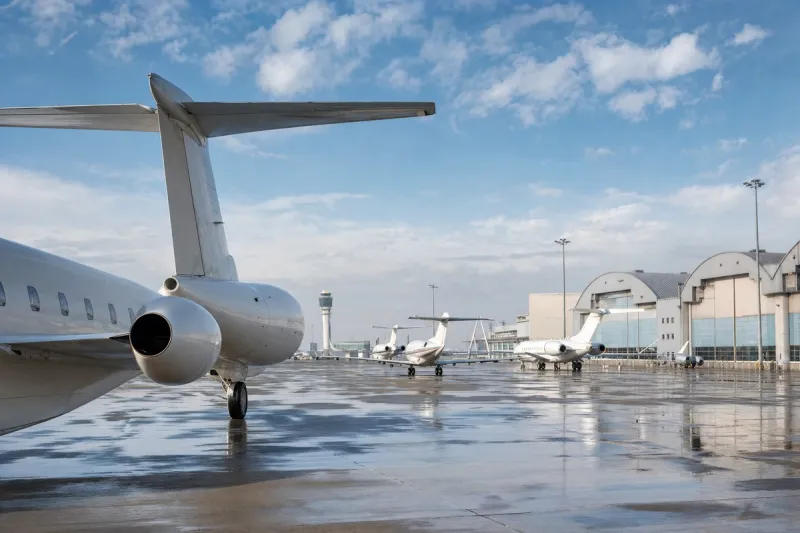
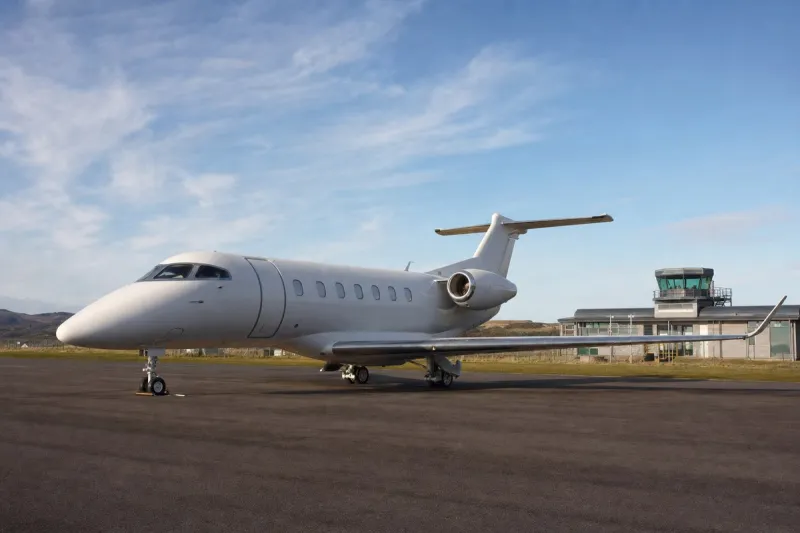
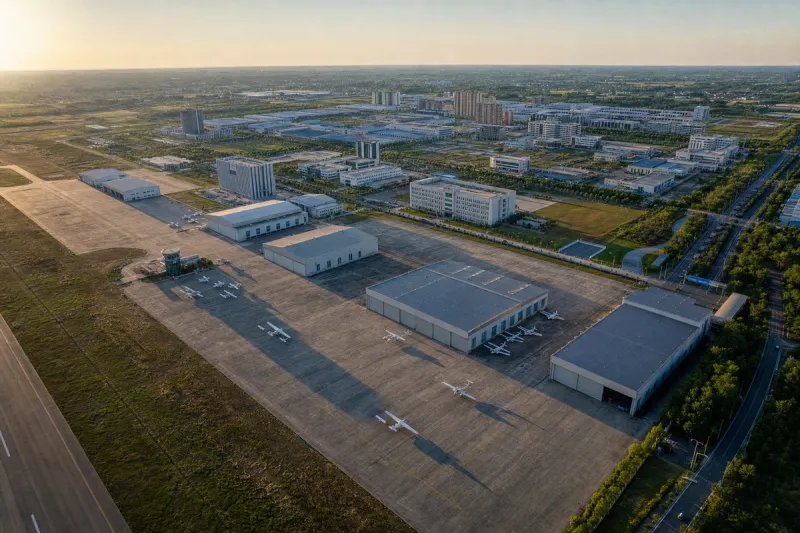
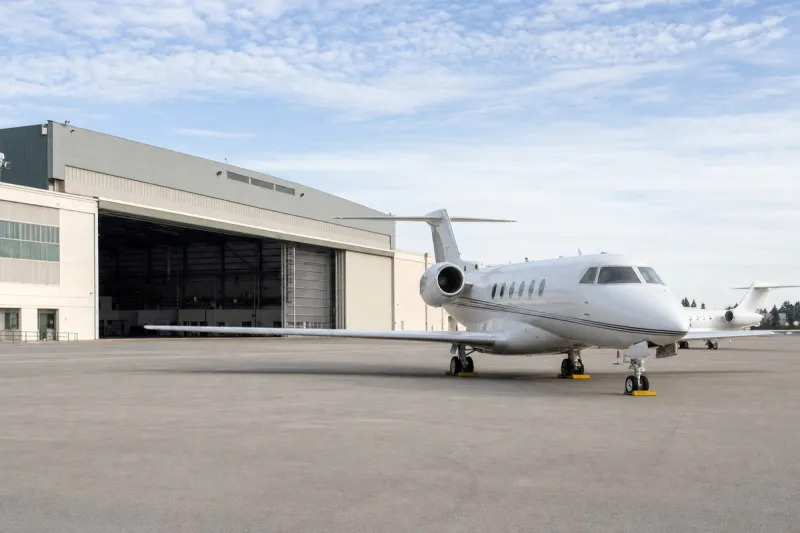
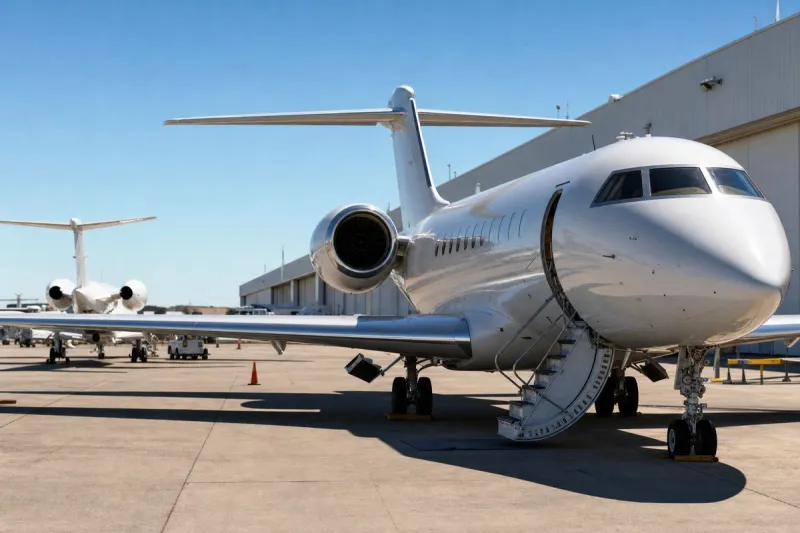
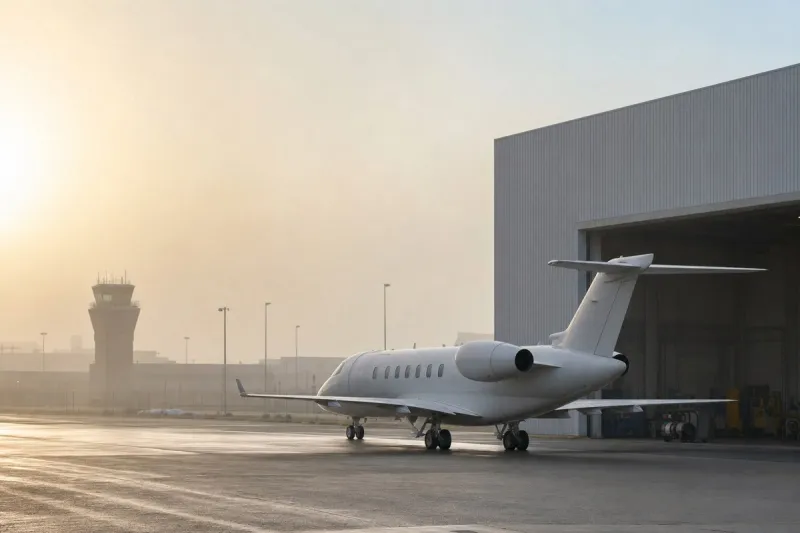
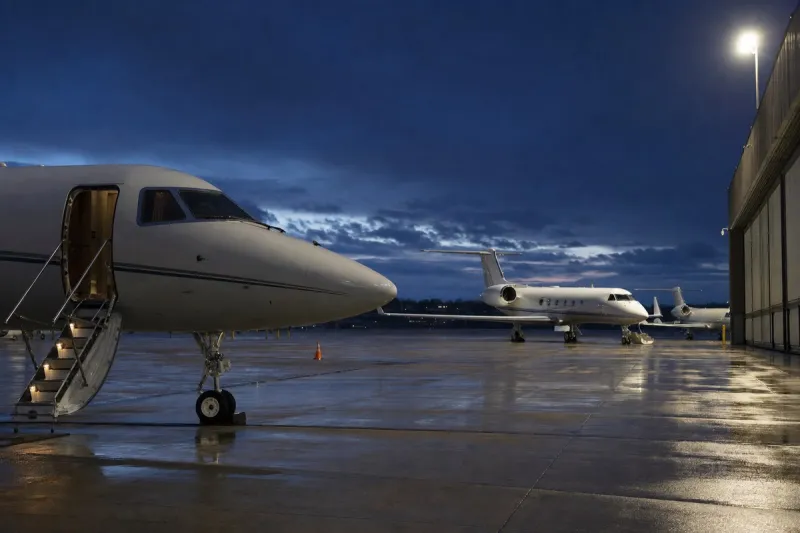
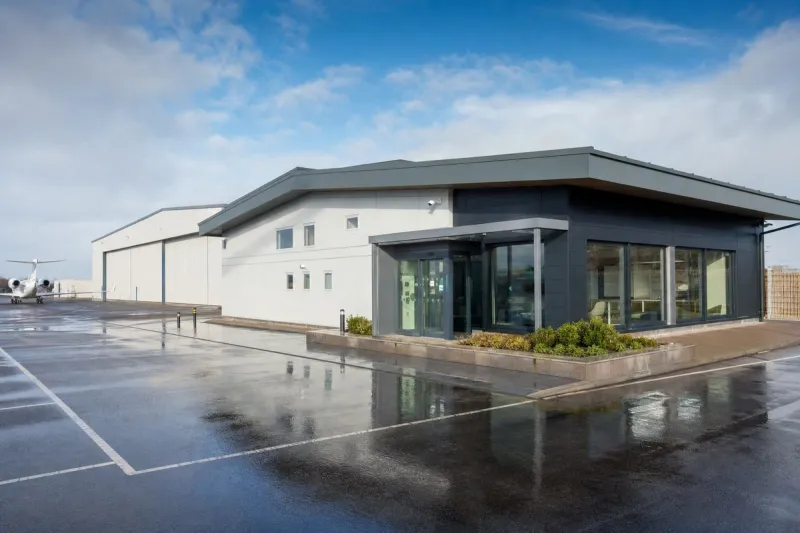
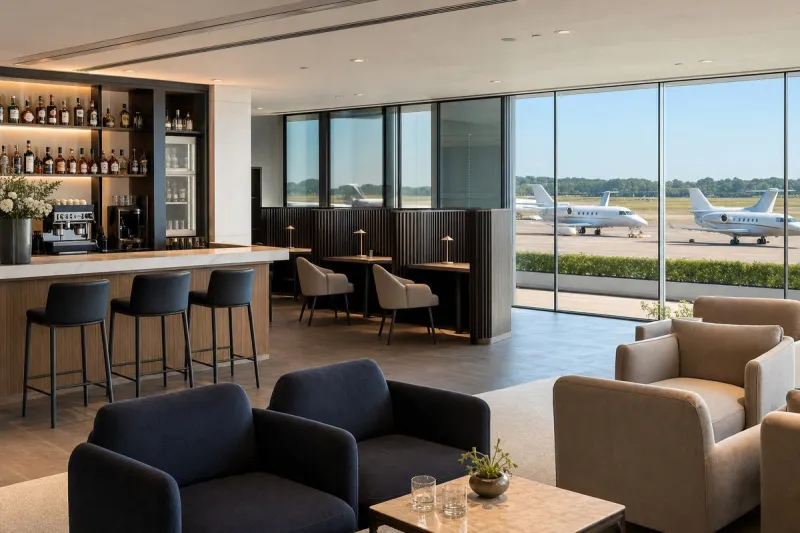
SkyPark Aviation Group general manager Hariss Abdullah says the Subang-based full-service FBO now handles more than 20 flights per day, functioning as a one-stop centre for business aviation in Malaysia with ground handling, fuel, inflight catering, hangarage, aircraft washing and crew transportation.
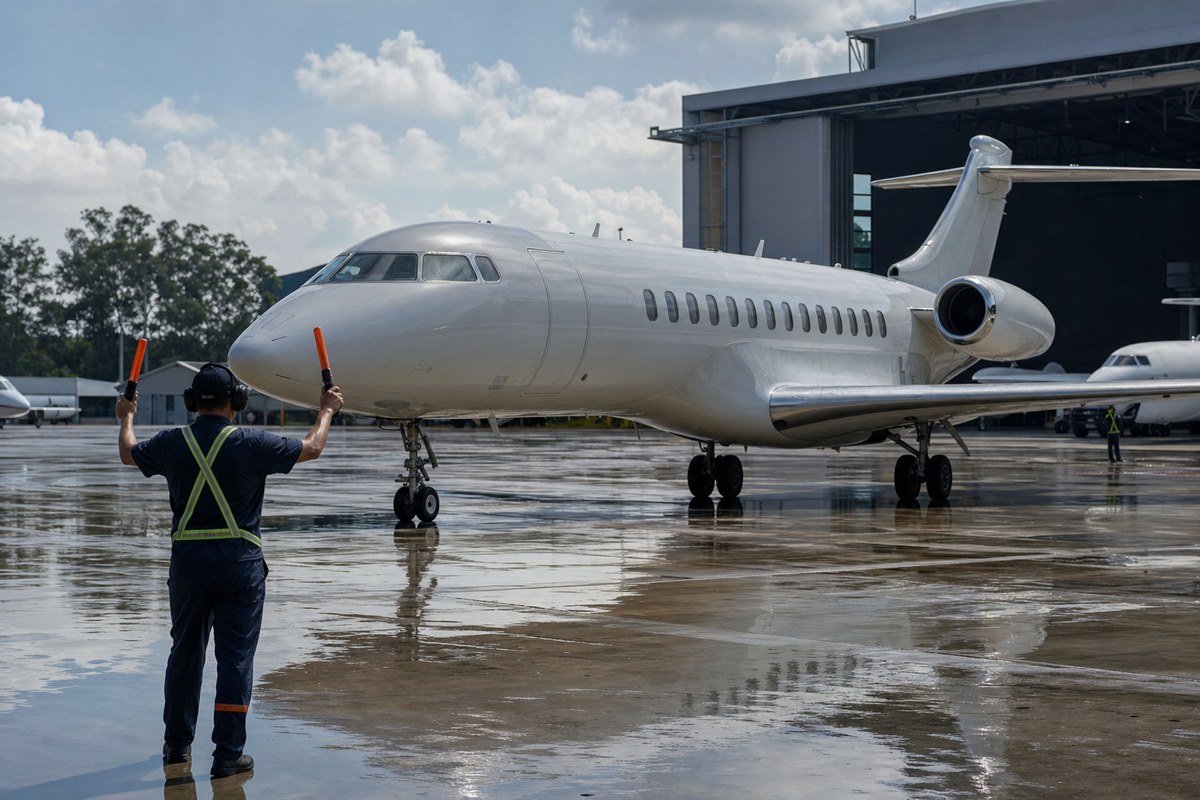
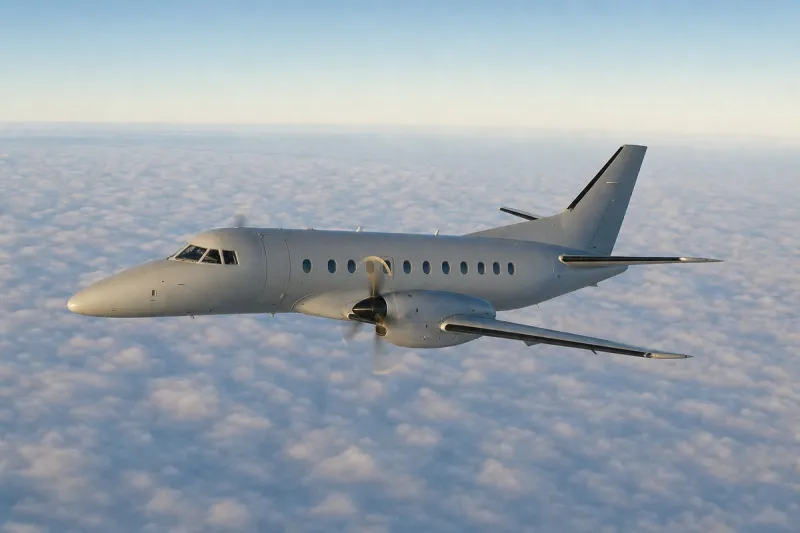
Hariss describes the pandemic years as a paradox for aviation: commercial traffic collapsed while private aviation in Malaysia had its strongest years in 2021 and 2022. High-net-worth travellers who had previously flown first- or business-class on commercial airlines chartered private jets for the first time, domestic routes between Kuala Lumpur and East Malaysian cities such as Kuching and Kota Kinabalu recorded sharp increases in bookings, and air ambulance movements posted double-digit growth. A number of first-time fliers went on to purchase pre-owned aircraft.
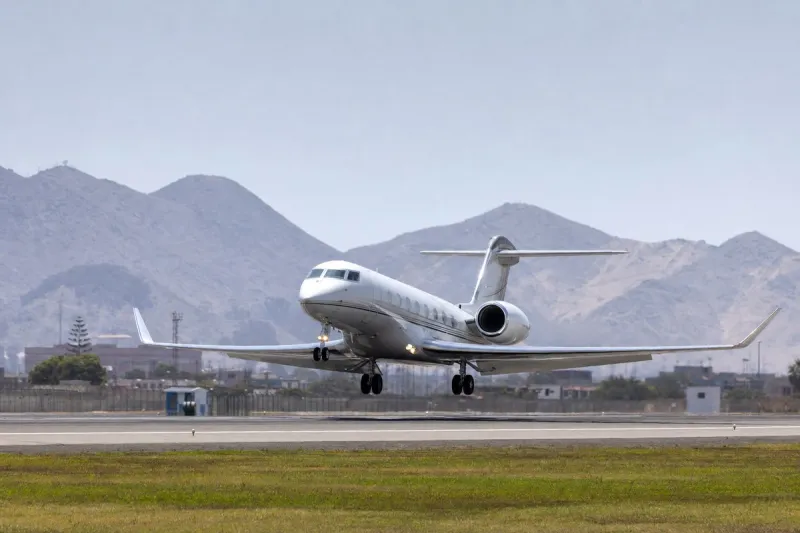
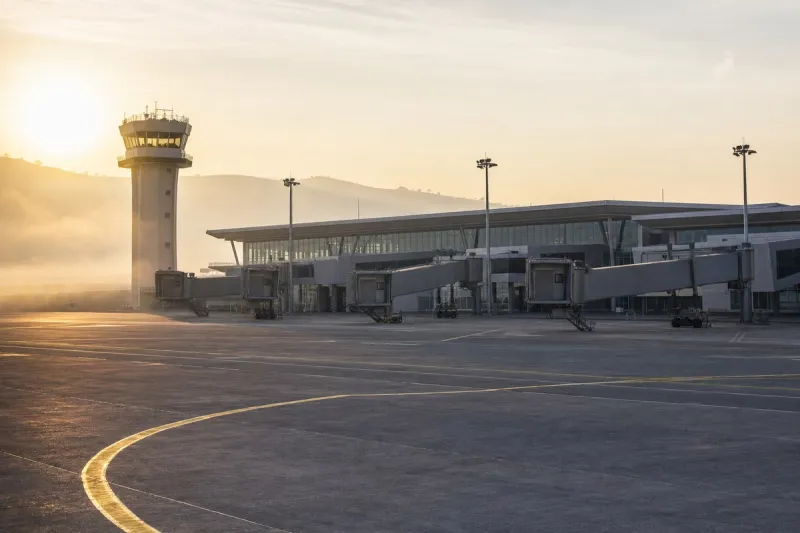
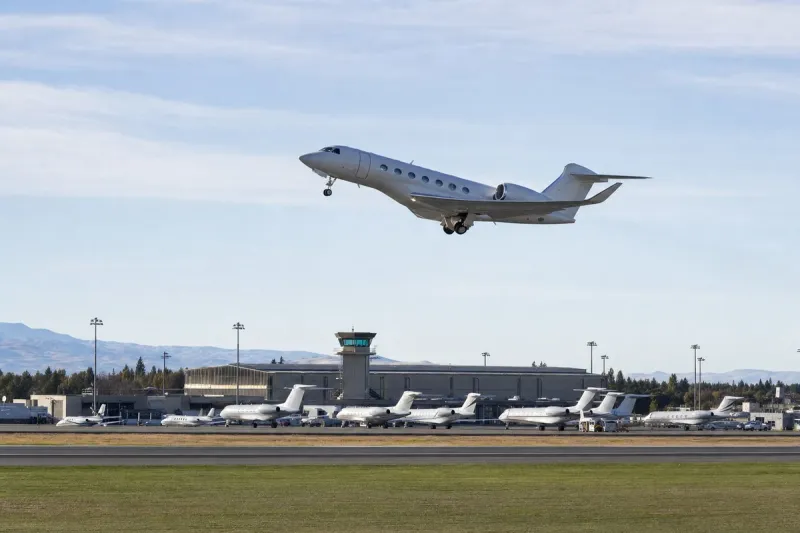
Subang's runway stretches 3,780 metres, long enough for wide-body aircraft, compared with approximately 2,000 metres at Singapore's Seletar Airport. Seletar operates under a night-time curfew, while Subang is open 24 hours. Hariss says this makes Subang a natural diversion point for aircraft unable to land in Singapore after curfew, and describes it as complementary to rather than competitive with Seletar. Subang also benefits from cheaper fuel owing to Malaysia's domestic refining and production capacity, and resident engineers there can sign off on foreign-registered aircraft.
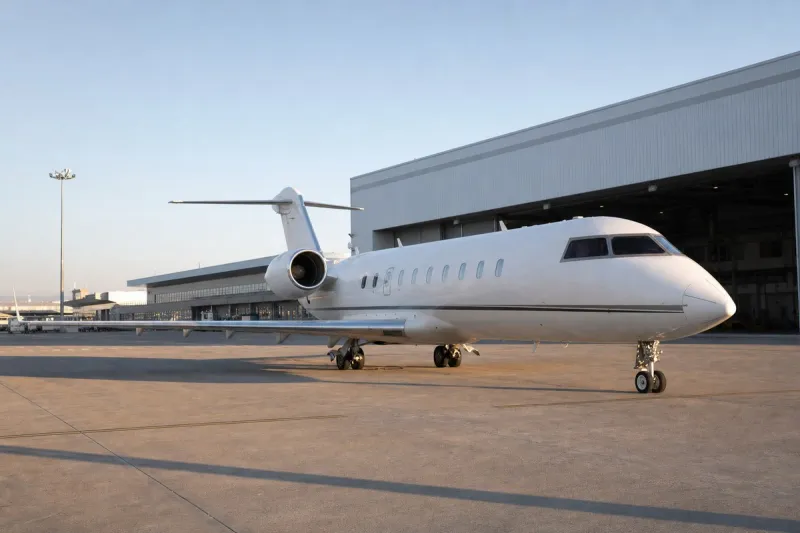
Malaysia's current business-jet fleet stands at approximately 40-45 aircraft. Sabah and Sarawak, home to the country's energy corridors and palm oil processing, are the primary demand drivers, maintaining their own fleets for near-daily shuttles to Kuala Lumpur. Penang generates consistent corporate traffic tied to foreign direct investment and semiconductor manufacturing, while Langkawi draws seasonal leisure visitors from China, India and the Middle East. Hariss points to Bangkok's Don Mueang, Jakarta's Halim Perdana Kusuma and emerging private-jet traffic in Vietnam as evidence of Southeast Asia's overall growth as a business aviation destination.
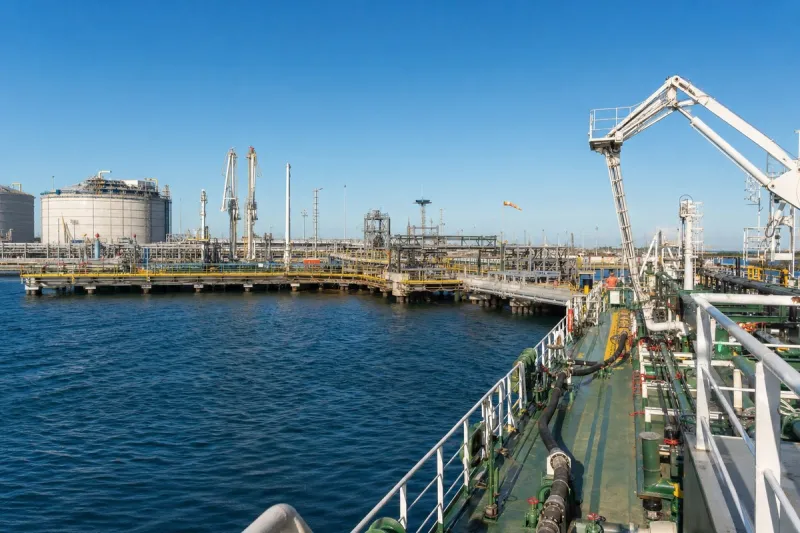
SkyPark Aviation Group signed a memorandum of understanding with national oil company Petronas two years ago to raise sustainable aviation fuel awareness in the private aviation community. Hariss notes that Malaysia's domestic palm oil and used cooking oil production gives the country a feedstock advantage for SAF production. Singapore has already introduced a SAF mandate, and Malaysia is monitoring developments while considering its own.
Industry impact & what to watch
This case illustrates how a smaller regional FBO builds relevance not by matching a larger neighbor's traffic volume but by covering what that neighbor structurally cannot: curfew hours, runway length for wide-body diversions, and cheaper domestic fuel. Complementary positioning of this kind depends on physical constraints that don't shift with pricing or marketing, which is why Hariss frames Subang against Seletar in terms of runway metres and operating hours rather than flight counts.
Malaysia's business aviation demand remains concentrated in specific state-driven corridors — Sabah and Sarawak's energy and palm oil shuttles, Penang's semiconductor-linked corporate traffic, Langkawi's seasonal leisure flow — rather than a single national market, which is typical of Southeast Asian business aviation where fleets track local industry clusters more than nationwide wealth growth. A roughly 40-45 aircraft domestic fleet also means growth in flights handled at one FBO can outpace growth in Malaysia's own jet ownership base, implying charter and foreign-registered traffic play a meaningful role.
The SAF question is the clearer marker to watch: Singapore's mandate already in force against Malaysia's feedstock advantage in palm oil and used cooking oil sets up a potential competitive or complementary dynamic depending on whether Malaysia adopts its own mandate or instead positions itself as a lower-cost SAF production base for the region.