Luxaviation International Flights Drop 66 Legs While Average Distance Rises 139 NM Between Periods
Why It MattersThe shift shows fractional and charter operators can face longer average missions even as overall international volume contracts, reshaping crew duty and remote-support planning more than headline flight counts suggest.
What happened
Luxaviation's international flight count fell from 403 legs in the period July 18–August 16, 2026 to 337 legs in the period August 17–September 15, 2026, a decline of 66 legs. Total flights declined from 622 to 543 legs across the same two periods, and the share of international flights slipped 2.73 percentage points, from 64.79% to 62.06%.
Over the same comparison, the average distance of international flights rose by 139.10 nautical miles, or 14.40%, from 966.11 NM to 1,105.21 NM. Statistics are compiled on an operator basis, counting each complete flight as one leg, with an international flight defined as one where the country of departure differs from the country of arrival. Full-flight average distance data is available only for the earlier period, at 721.49 NM, so the period-on-period distance comparison uses the international-flight basis only.
A September 14, 2026 report noted that clients have been requesting non-traditional destinations including Rwanda for gorilla trekking, the Blue Hole in Belize, and Antarctica. Luxaviation attributed part of this trend to exposure driven by platforms such as TikTok, without describing it as a company-led destination marketing initiative, and no new bases or destination partnerships were reported in connection with the shift.
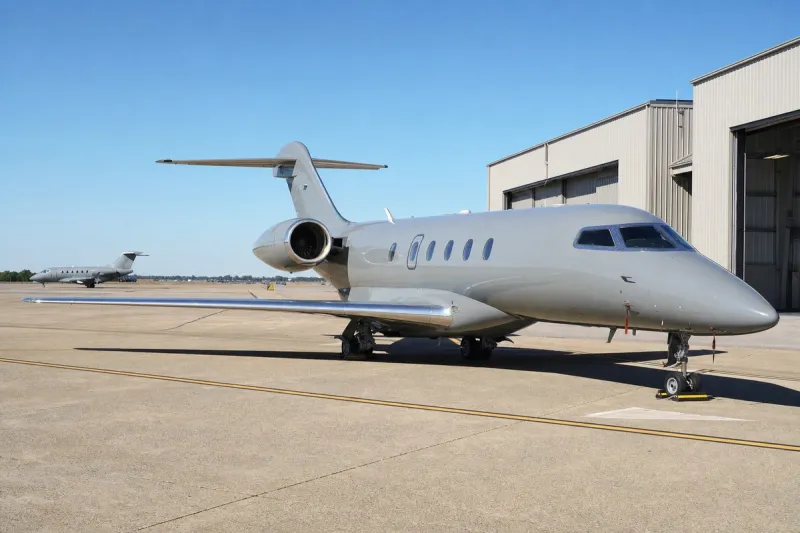
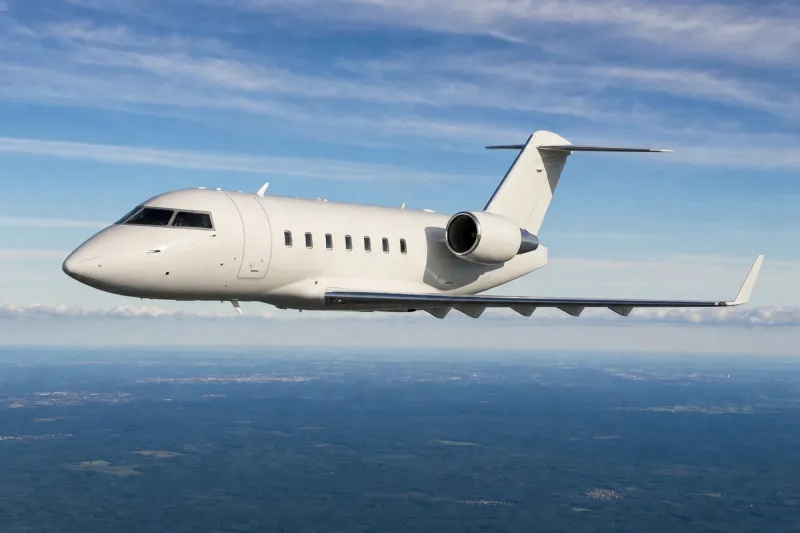
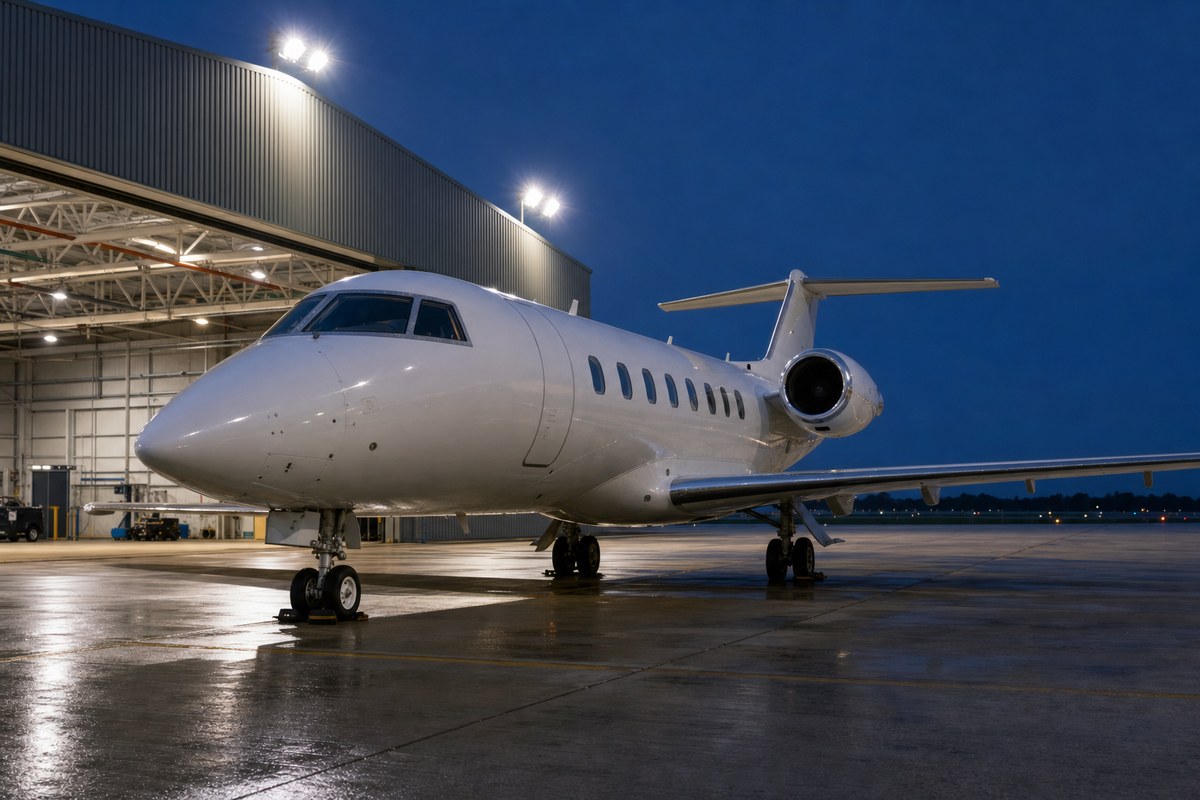
On the supply side, Luxaviation added three aircraft in the first quarter of 2026 and in July 2026 announced nine further aircraft for its European and Asian operations, ranging from the Challenger 604 to the Gulfstream G800. On September 8, 2026, the company displayed a new Challenger 604 at London Biggin Hill Airport, an event not reported as a base opening or destination marketing activity.
Industry impact & what to watch
Flight-activity records point to an elongation of mission radius rather than a broad expansion of international flight volume: fewer legs are covering more distance per leg. That pattern matters for how fractional and charter fleets are read, since a rising average distance can coexist with a shrinking international share, and the two figures should not be collapsed into a single growth story.
In this segment, distance and leg-count trends are shaped by client-driven demand for specific destinations as much as by network strategy, so a handful of long-haul requests to places like Rwanda or Antarctica can move the average even while total international legs fall. Fleet additions such as the nine aircraft announced in July 2026 add capacity without necessarily adding proportional international volume, which is why scheduling, crew duty management and remote-station support complexity now warrant priority attention.
What happens with the next reporting period, and whether the elongation trend persists alongside continued fleet growth, will show whether this is a durable shift in mission profile or a temporary effect of a handful of long-distance bookings.