Only 4 Airbus A318s Remain in Commercial Service as Type Nears Retirement
Why It MattersWhen a niche variant's per-seat costs match larger siblings but its capacity trails them, replacement becomes a matter of timing rather than whether it happens.
What happened
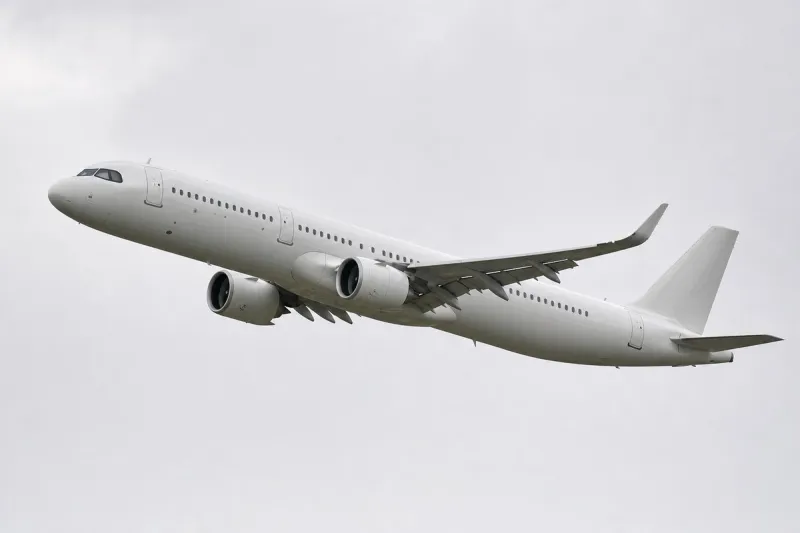
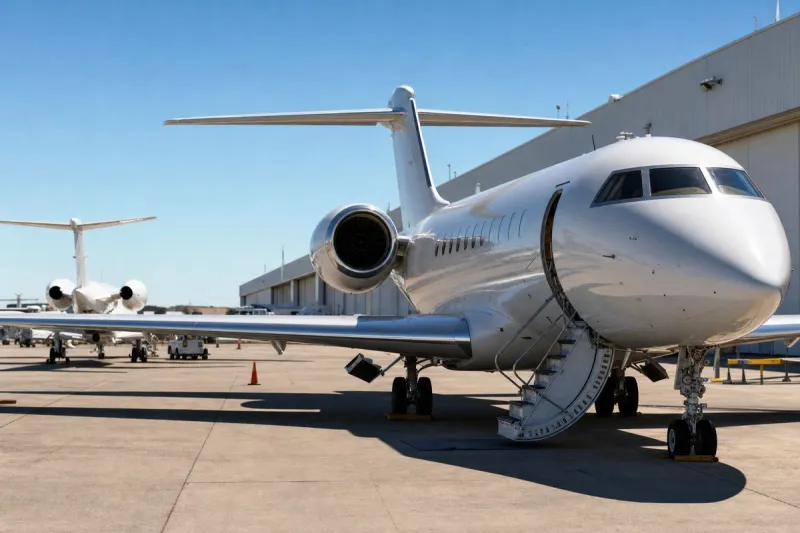
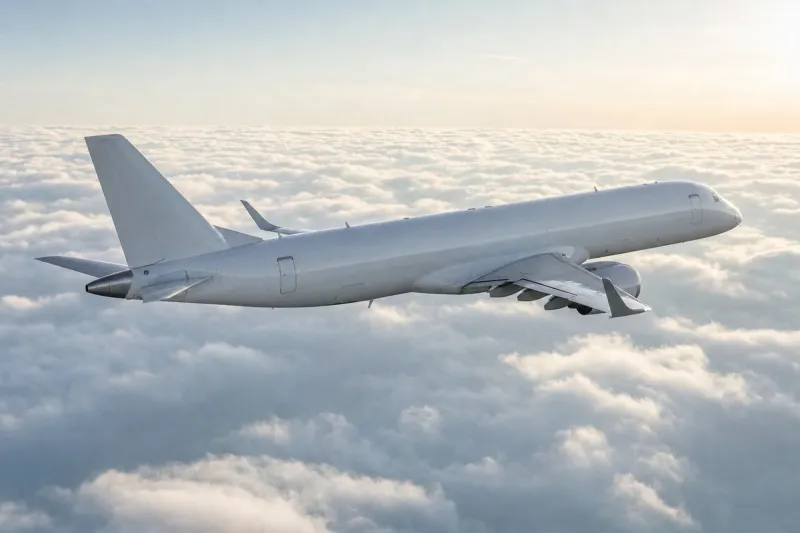
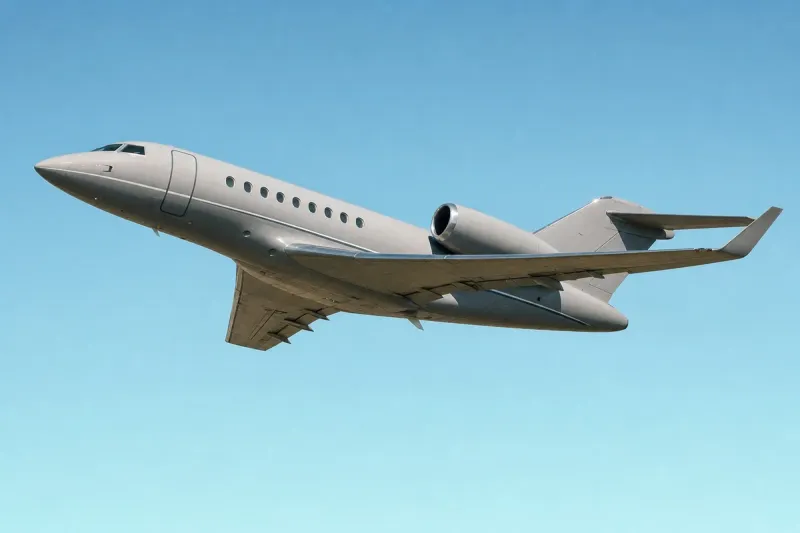
The Airbus A318, the smallest member of the A320 family, has dwindled to just four aircraft in scheduled passenger service, all operated by Air France and registered F-GUGM, F-GUGN, F-GUGO, and F-GUGP. Current schedule filings extend A318 operations into March 2027, though individual assignments may change. TAROM of Romania operated the last non-Air France scheduled A318 service, with its final commercial flight on October 26, 2024, ending an operation that had begun in the mid-2000s; the retired aircraft were subsequently offered for sale to a UK-based end-of-life aircraft specialist. Air France now stands as the sole remaining scheduled operator of the type.
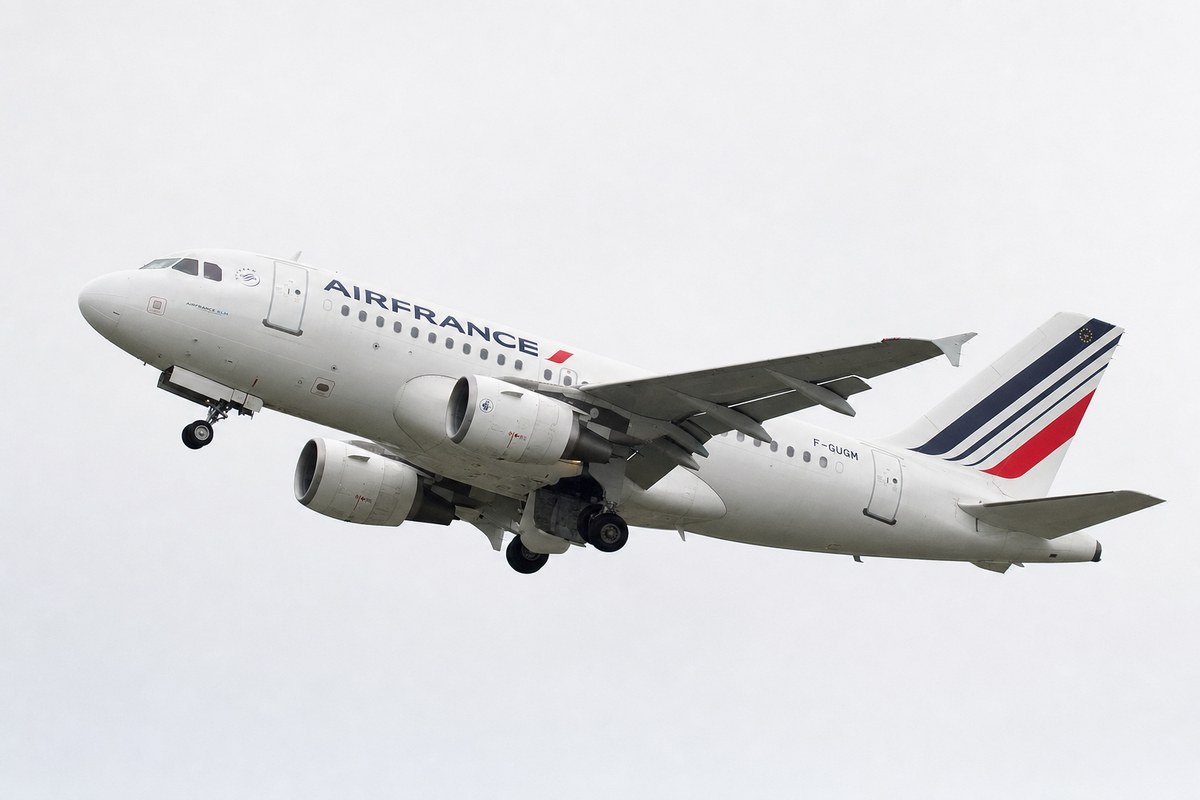
Airbus delivered only 80 A318s in total, a fraction of the thousands of A319s, A320s, and A321s produced. The type entered service in 2003, designed as a shortened derivative of the A319 for the roughly 100-to-120-seat segment, earning the nickname "Baby Bus." Its fuselage measures 103 feet 2 inches (31.44 meters) in length, compared with 111 feet (33.84 meters) for the A319.
The aircraft's most distinctive technical capability was an EASA-certified steep-approach system, certified in 2006 for operations at London City Airport (LCY). Engineers modified the flight-control software to command additional spoiler deployment, enabling the A318 to fly a 5.5-degree approach, substantially steeper than the conventional three-degree profile, without adding new mechanical systems. Below 120 feet (37 meters), specified spoiler panels deploy automatically during landing to add drag through touchdown.
Why the A318 struggled
Despite the engineering elegance of the steep-approach system, the A318 struggled commercially. Its per-seat costs were similar to larger A320-family members, yet it carried fewer passengers than the A319. Airlines operating primarily from unconstrained airports found little reason to accept those trade-offs.
The arrival of the Airbus A220-300 has effectively removed the A318's remaining economic rationale. Air France has ordered 60 A220-300s as replacements for its A318s and A319s, citing a 20 percent reduction in fuel consumption, a 10 percent reduction in seat costs, and a 34 percent smaller noise footprint compared with the aircraft being replaced.
Industry impact & what to watch
This case illustrates a recurring dynamic in narrowbody fleets: a variant built to solve one operational constraint, here the short runway and steep obstacle clearance at London City Airport, can survive commercially only as long as no better tool exists for that same constraint. Once a newer type matches or beats the niche capability while also improving fuel burn, seat costs, and noise, the older variant's economics stop making sense even for the one operator still flying it.
The A220-300 order underscores how re-engined, purpose-built small narrowbodies are displacing older shortened derivatives across the industry, since carriers no longer need to accept a capacity penalty to get performance suited to constrained airports. Air France's 60-aircraft order suggests the A318 fleet's remaining life is now a function of delivery schedules rather than route requirements.
What happens at London City Airport once the last A318 retires is the detail worth tracking: whether the A220 or another type inherits certification for the steep-approach profile will determine whether that airport's slot economics change at all.