NetJets, Flexjet and VistaJet Post Flight-Hour Gains in June–August 2026; Wheels Up Falls 65%
Why It MattersThe widening gap between fractional providers gaining hours and charter-heavy operators losing them signals that flight-activity data is becoming a proxy for financial health across the sector.
What happened
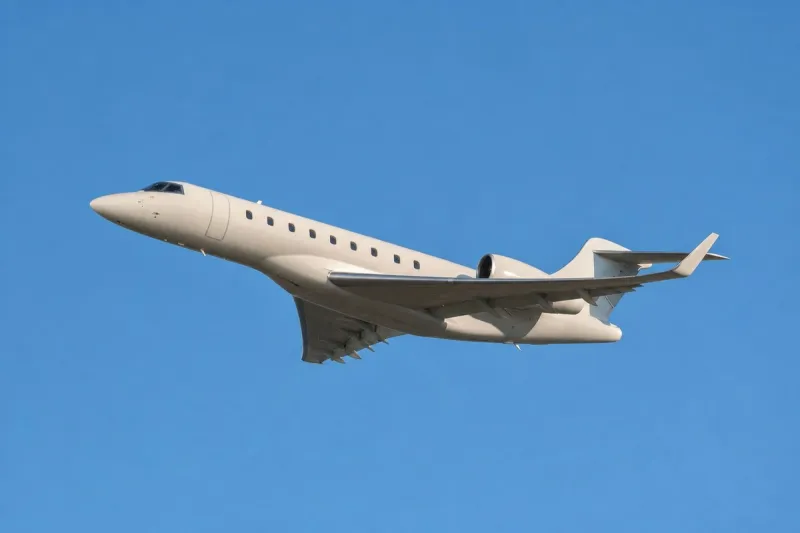
Business-jet flight-activity records for June-August 2026 show sharply diverging performance among leading fractional and charter operators. NetJets, described as the largest of the featured operators by fleet size, accumulated just over 200,000 flight hours, an 8% year-on-year increase.
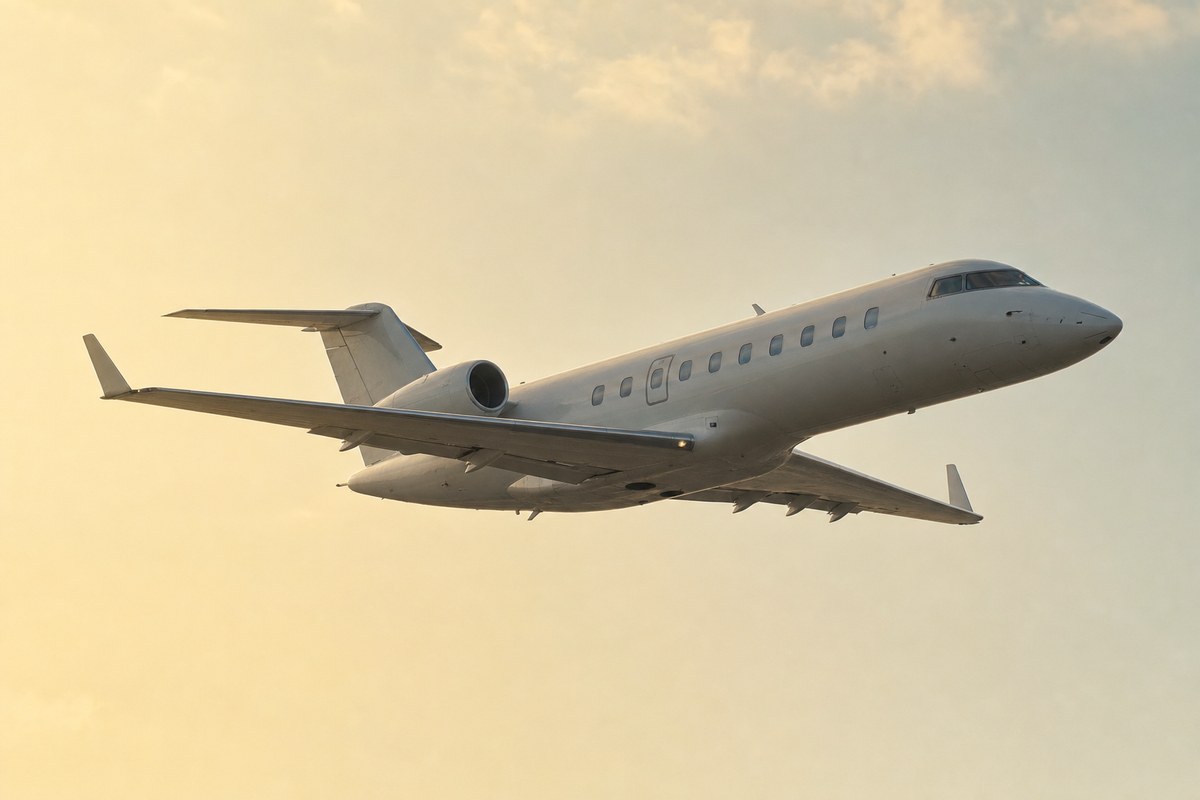
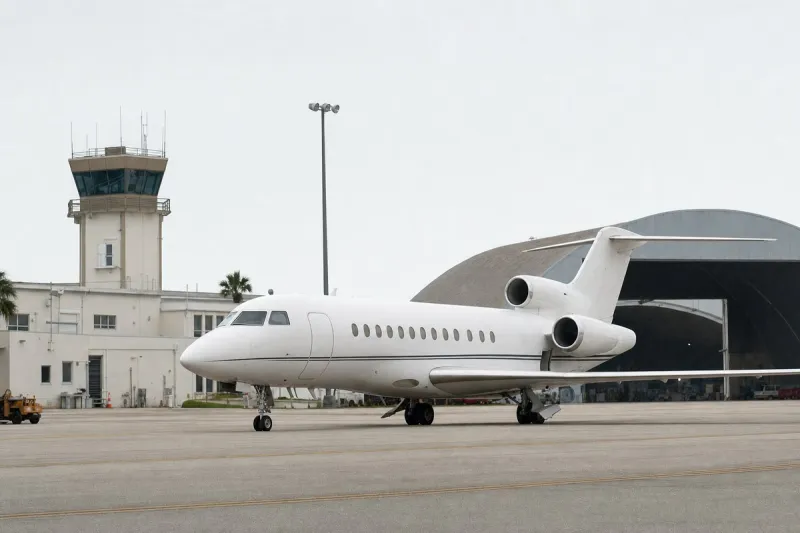
Flexjet posted an 11% rise in flight hours over the same year-earlier period and also recorded a 171% gain compared with June-August 2019. VistaJet recorded a 1% increase in flight hours.
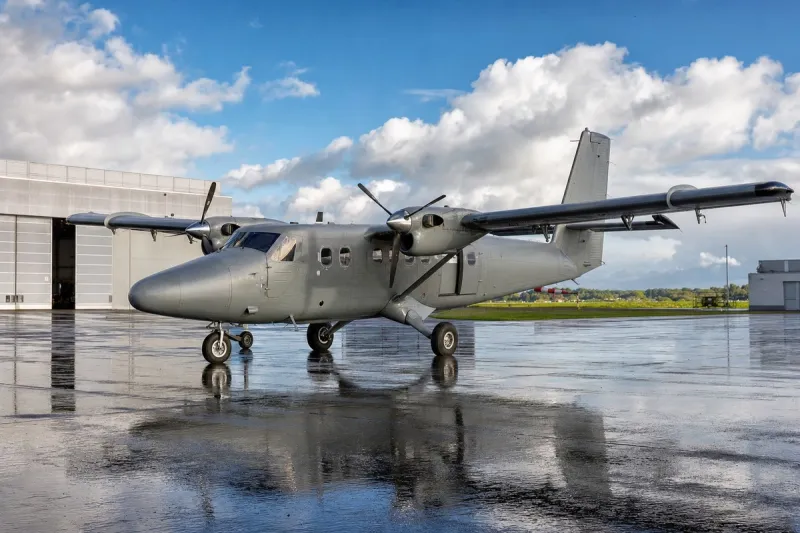
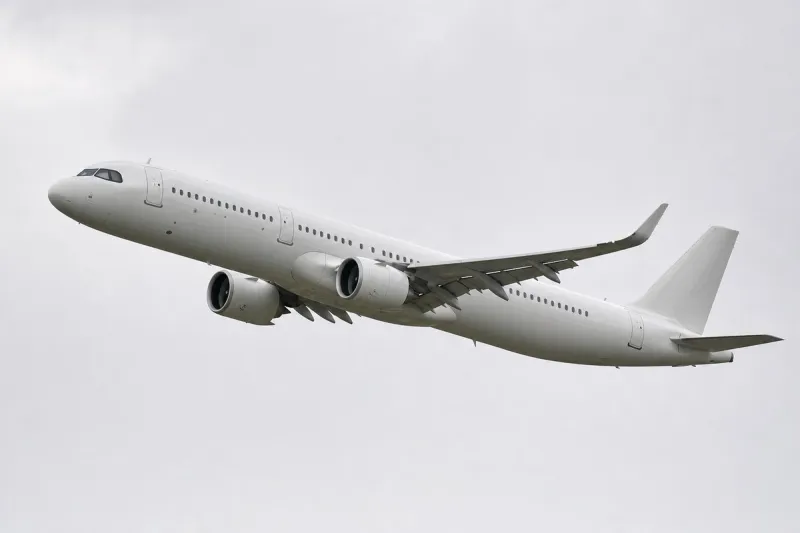
Wheels Up saw flight hours decline 65%, the steepest drop among the operators covered, while FlyExclusive hours fell 9%.
Industry impact & what to watch
Flight-hour trends across fractional and charter providers over the same three-month window offer a comparative read on demand that revenue figures alone do not always capture, since hours flown track actual usage rather than bookings or pricing. NetJets, Flexjet and VistaJet gaining hours while Wheels Up and FlyExclusive lose them points to a split forming within the same broad segment rather than a uniform slowdown or recovery.
Fractional and card-based programs bill on flight hours or occupied hours, so a sustained decline like Wheels Up's 65% drop speaks directly to utilization and, by extension, revenue per aircraft in the fleet. Flexjet's 171% gain against 2019 also shows how far some operators have expanded activity since the pre-pandemic period, a comparison the other operators here did not report.
What remains to be seen is whether Wheels Up's and FlyExclusive's declines reflect fleet reductions, membership attrition, or softer demand specifically at those two brands, since the current figures do not separate those causes.