Luxaviation Reports Strong European and Africa Demand, Adds Nine Aircraft Amid Shifting Charter Market
Why It MattersAs younger, more flexible clients replace traditional long-lead bookings, charter operators face pressure to balance rapid fleet expansion against persistent constraints on sourcing longer-range aircraft.
What happened
Luxaviation CEO Galanopoulos described a comparatively slow first quarter followed by a busy European summer season, with firm demand continuing across Europe, Africa and more distant destinations. He said geopolitical tensions weighed on early-year activity, with very few charter requests tied to the Middle East beyond an initial evacuation scramble, and that the resumption of commercial airline services to the region further reduced potential ongoing demand. Expected demand from the FIFA World Cup in North America also did not materialize, which Galanopoulos attributed to inflated airport surcharges and difficulty obtaining match tickets.
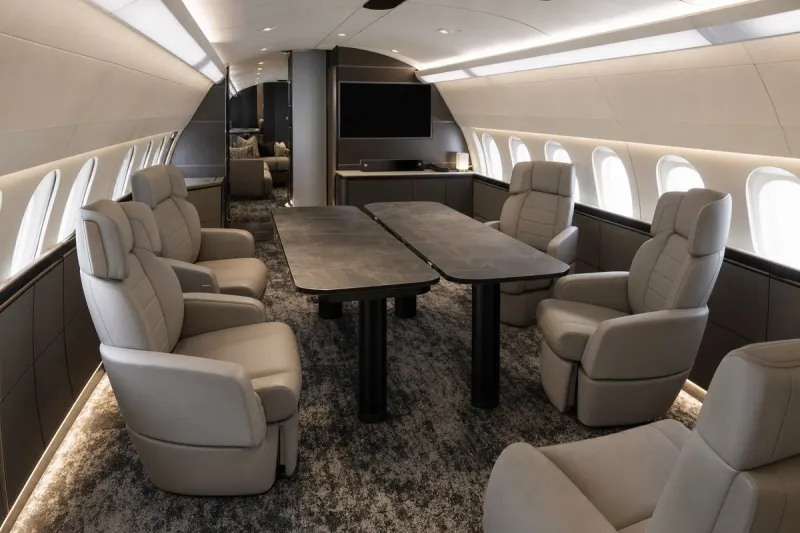
Traditional summer destinations including Ibiza, Mallorca and the south of France remained popular, but Galanopoulos pointed to a growing trend toward more unusual trips, citing clients visiting gorillas in Rwanda, diving at Belize's Great Blue Hole, and landing in Antarctica. He credited platforms such as TikTok with raising the profile of private aviation over the past three to four years and cultivating a younger client base. Luxaviation UK's average client age has fallen from the late 50s to the 40s, and newer clients increasingly book just two or three days in advance rather than weeks or months out, moving away from the traditional caviar-and-champagne service model, though Galanopoulos said clarity on service and pricing remains fundamental for all customers.
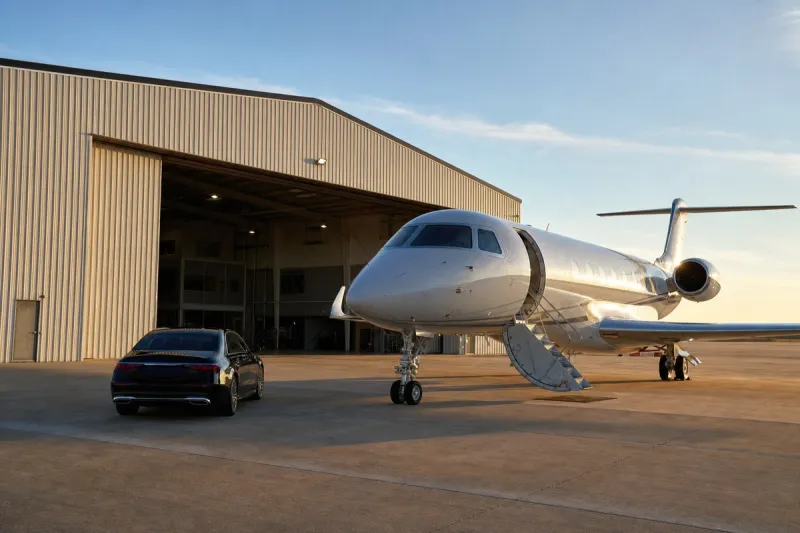
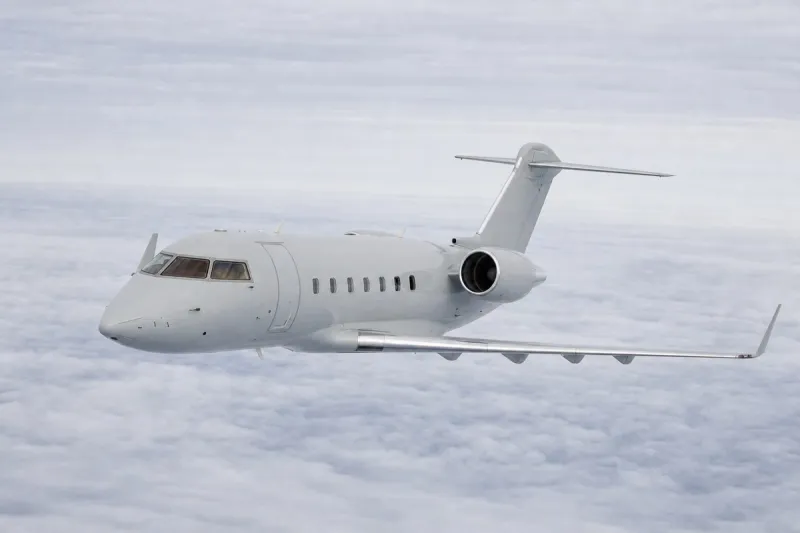
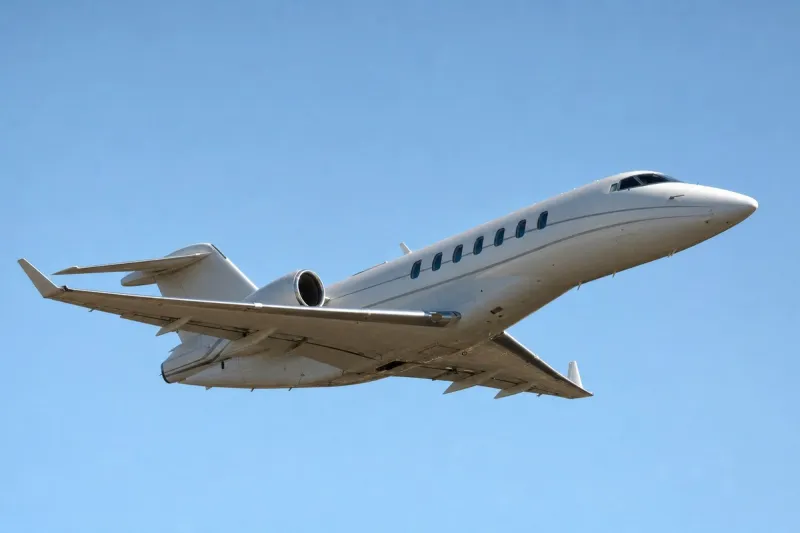
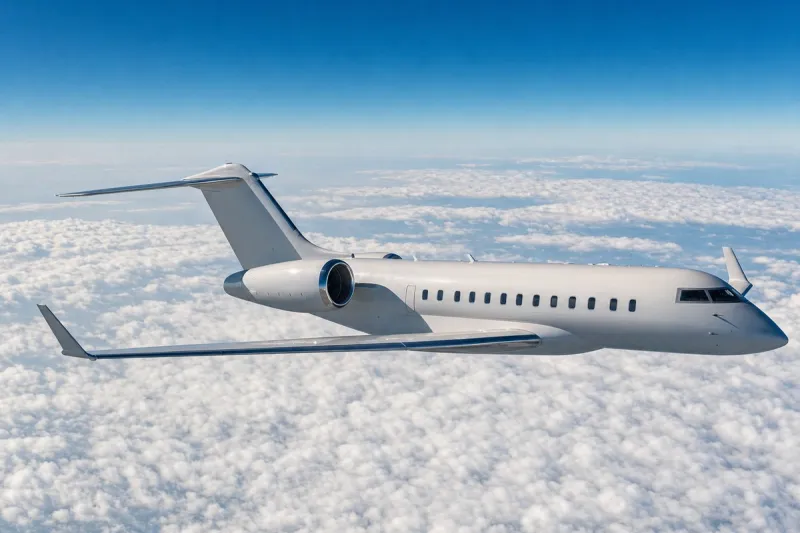
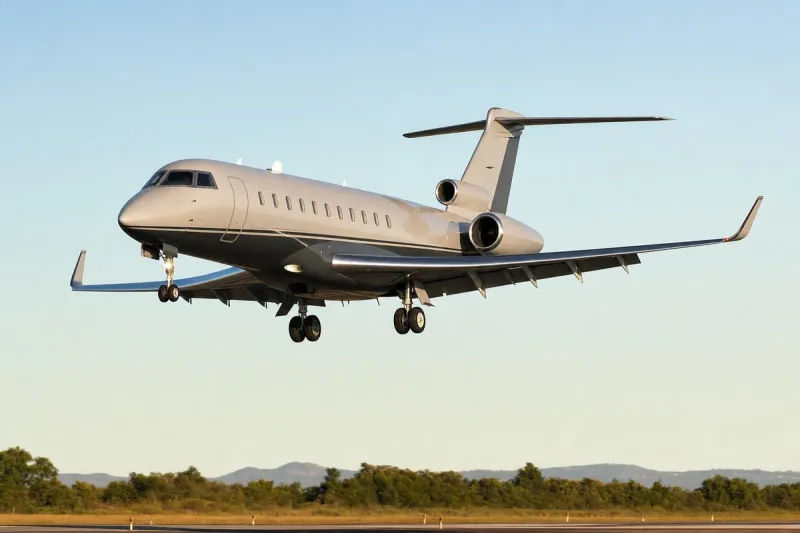
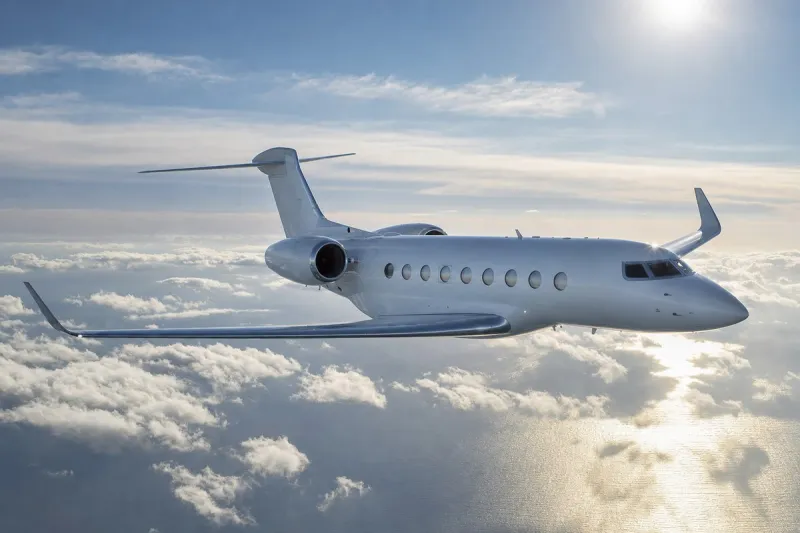
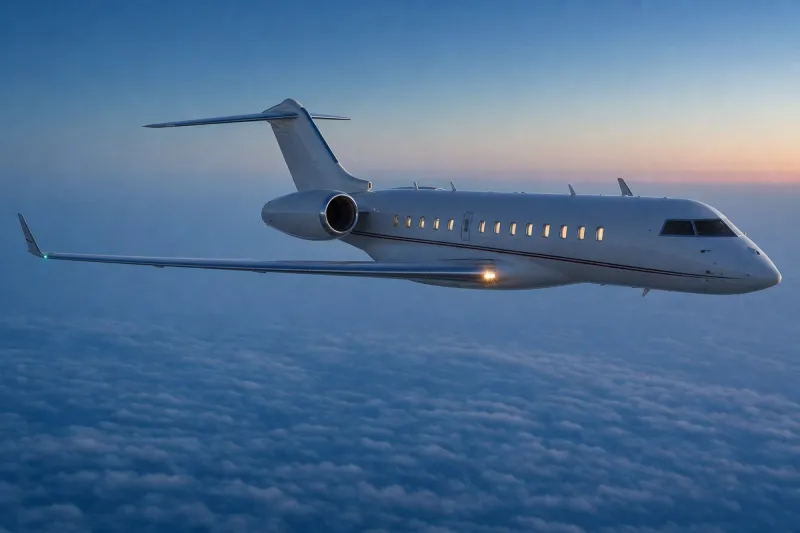
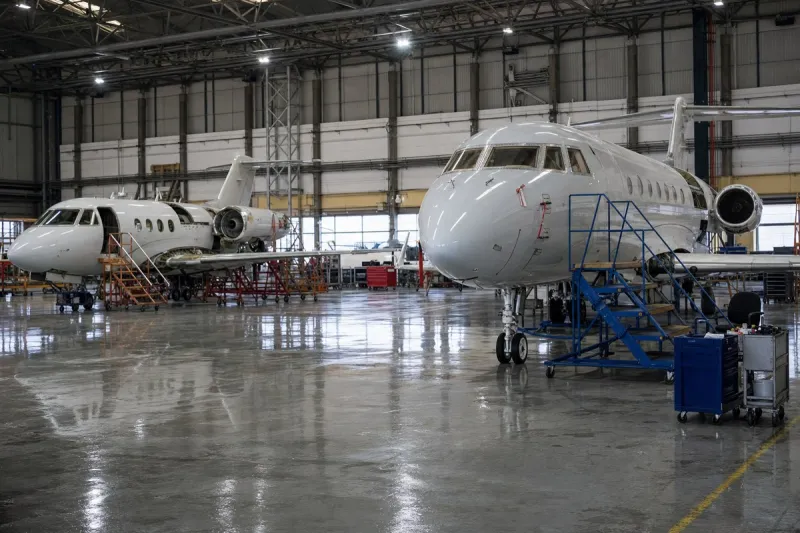
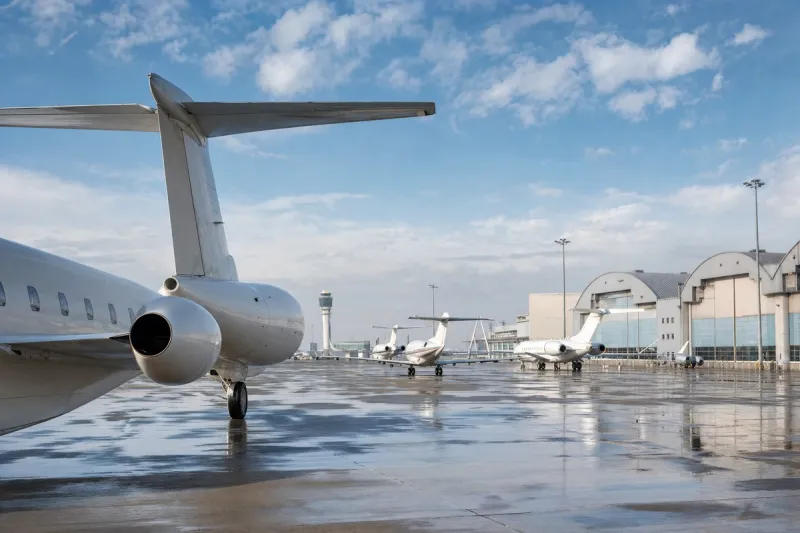
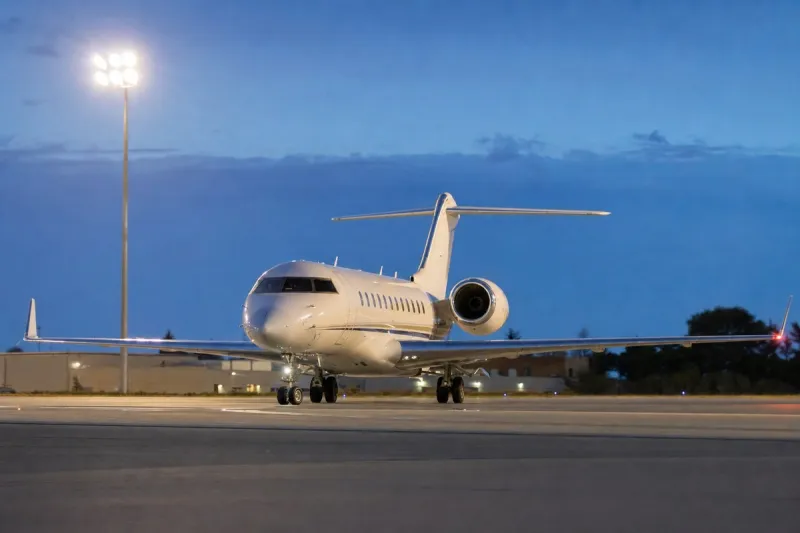
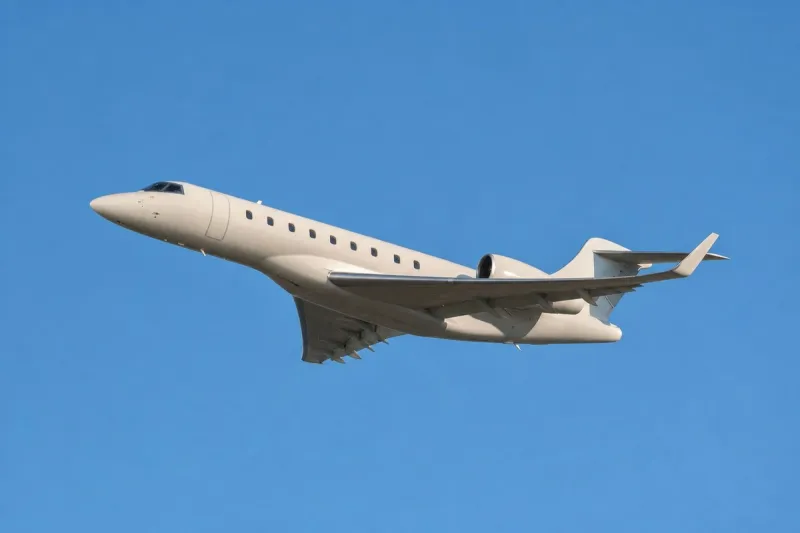
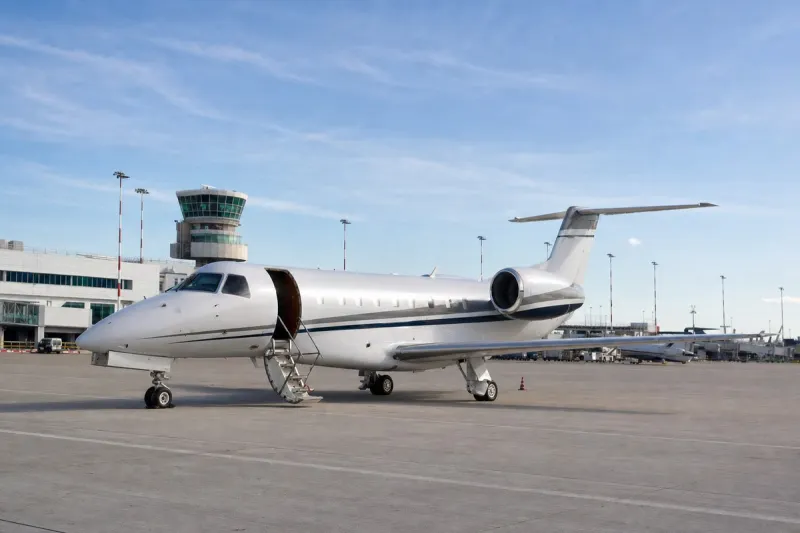
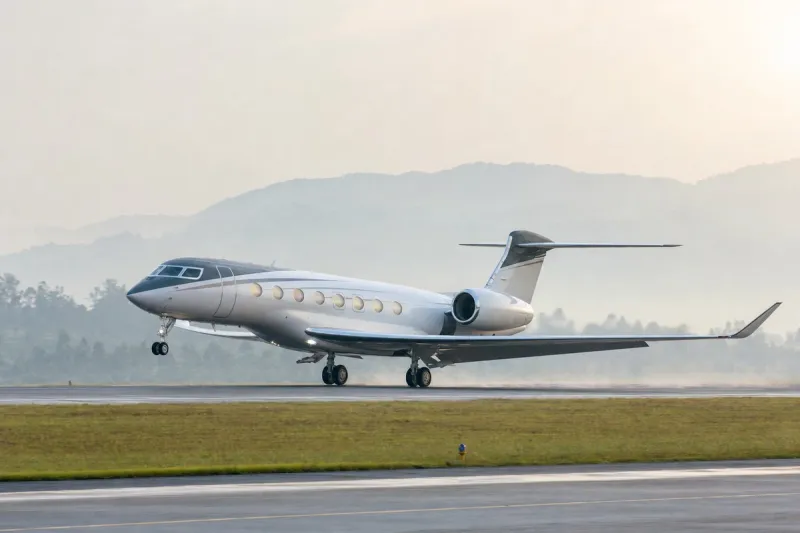
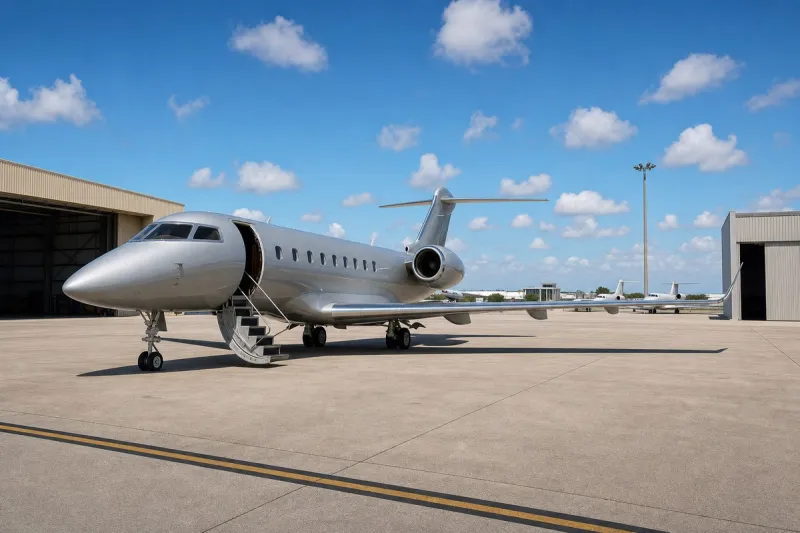
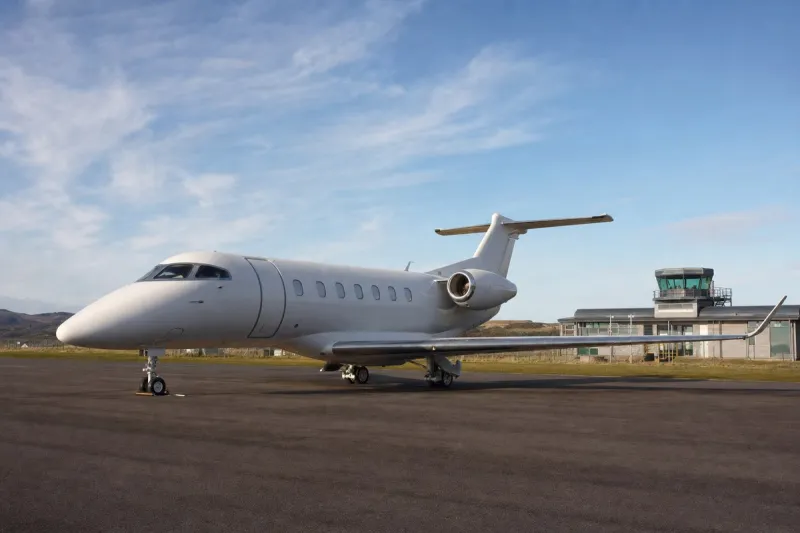
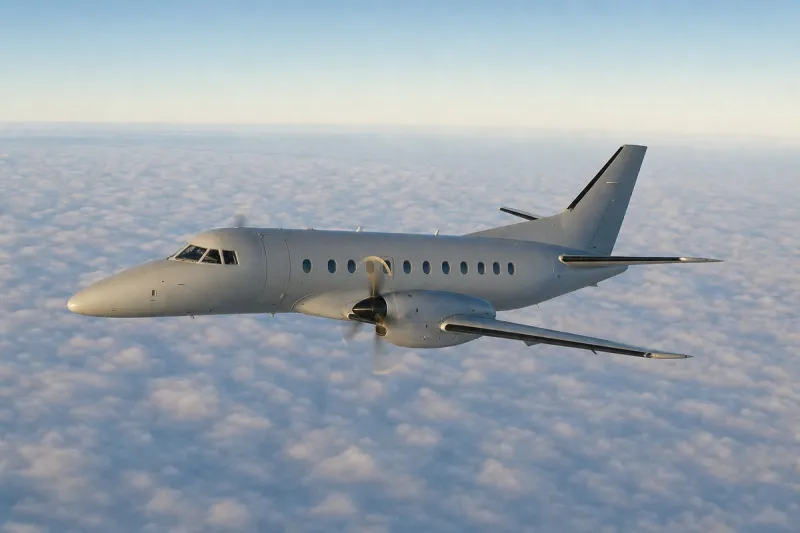
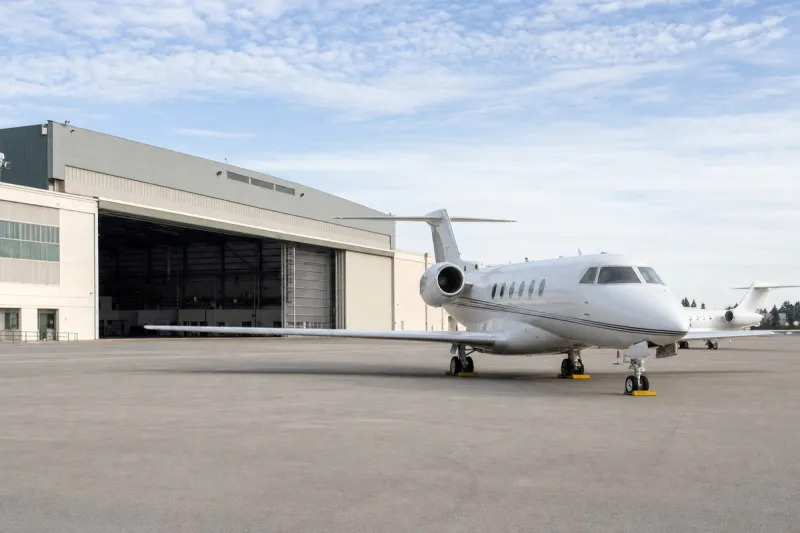
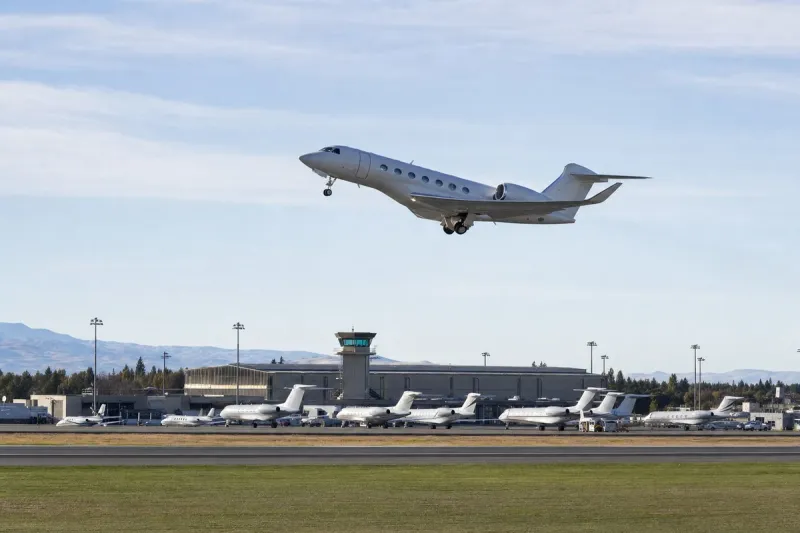
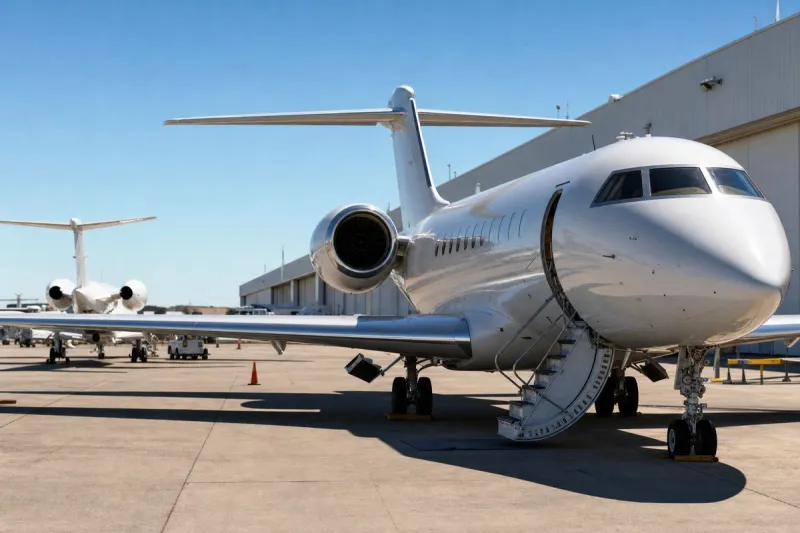
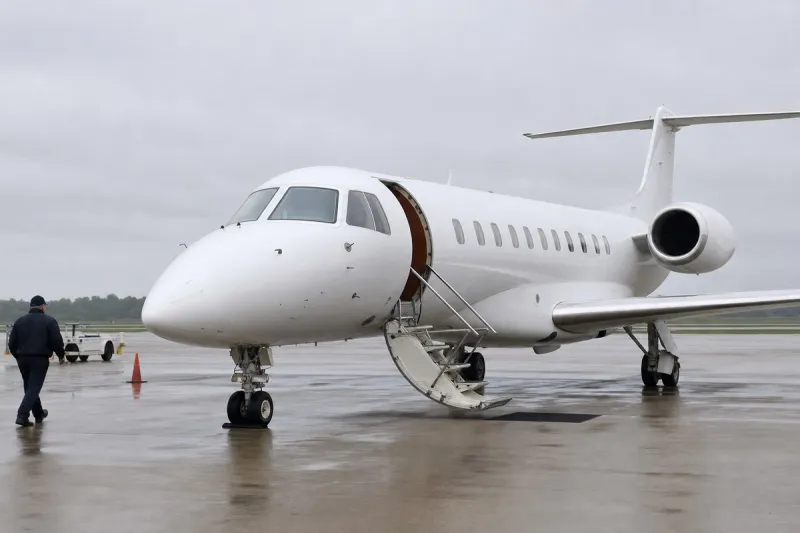
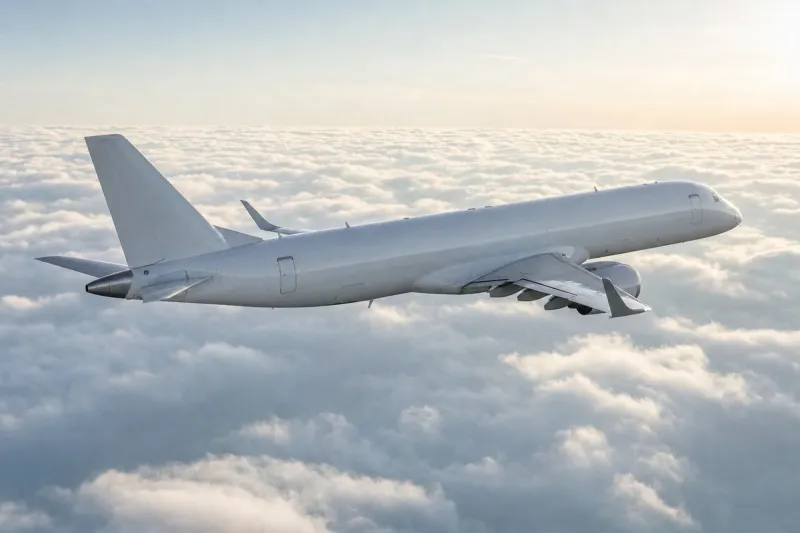
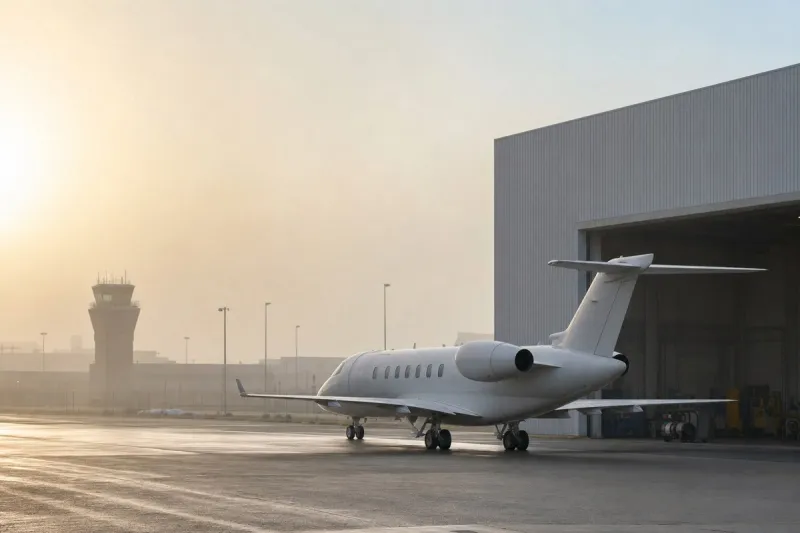
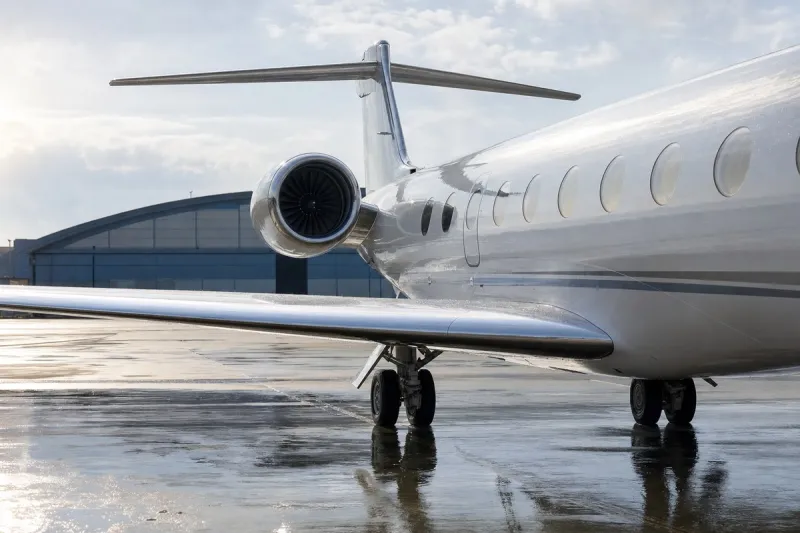
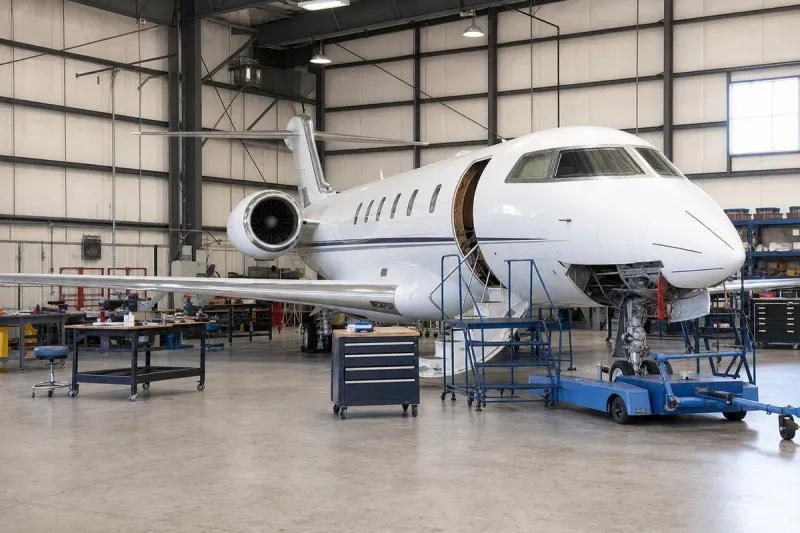
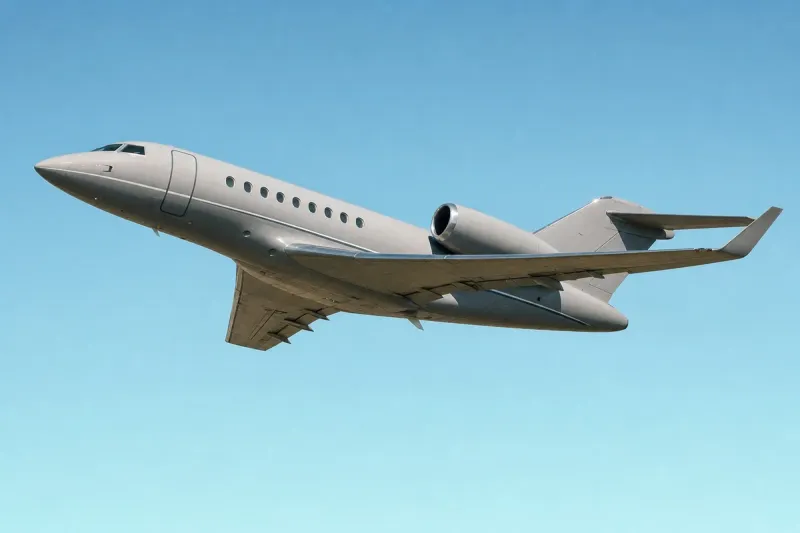
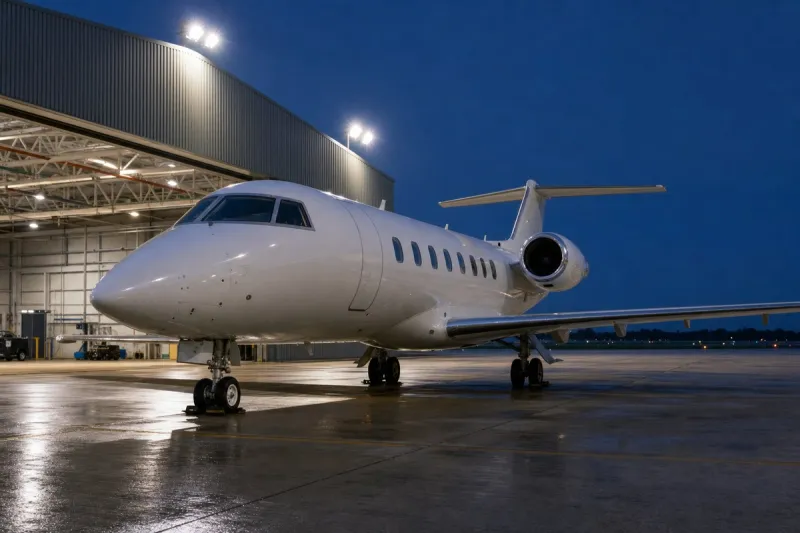
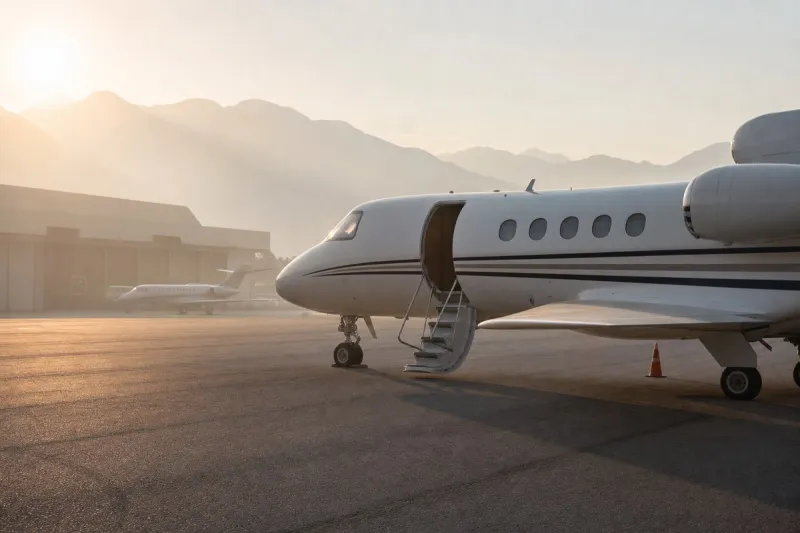
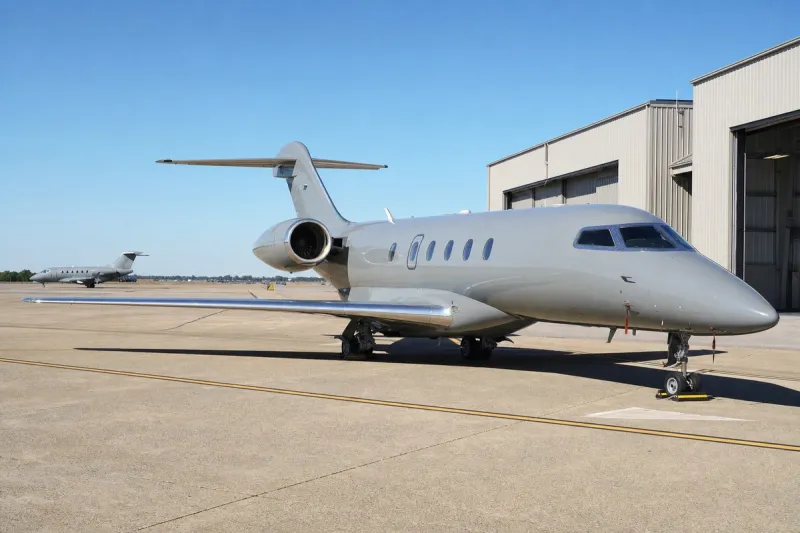
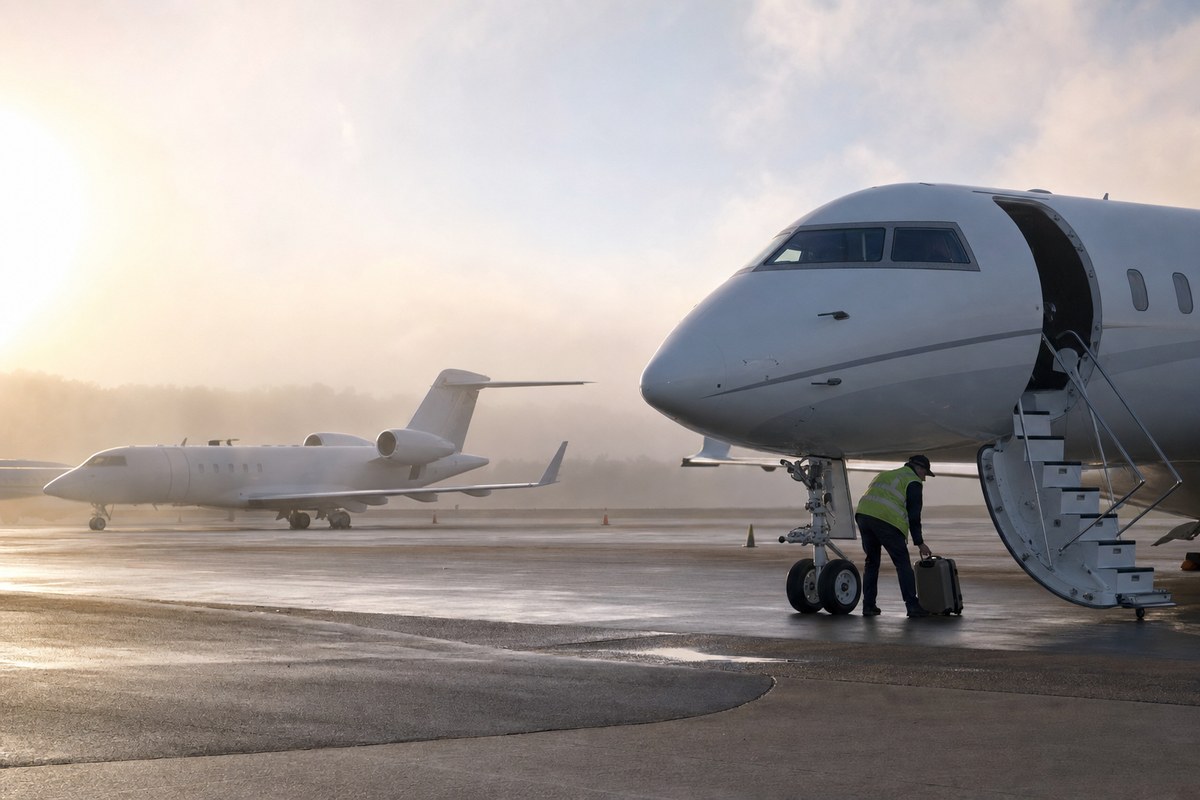
Luxaviation is currently levying a fuel surcharge of $1,000 per flight hour on Bombardier Global and Gulfstream-class aircraft, with Jet-A prices monitored weekly for further adjustments, and said it has not encountered the fuel-supply difficulties widely anticipated in the industry. The operator added three jets to its fleet in the first quarter and in July announced nine more aircraft across its European and Asian operations, ranging from a Bombardier Challenger 604 to a Gulfstream G800. Luxaviation currently operates two Bombardier Challenger jets and would ideally expand to three or four, though Galanopoulos said sourcing longer-range aircraft is "not easy" at present. "The market has changed purely because people are travelling further," he said, adding that demand from first-time buyers and clients seeking to upgrade their aircraft is increasing.
Industry impact & what to watch
Galanopoulos's account points to a broader repositioning in charter demand: geopolitical disruption and event-driven expectations (the Middle East, the World Cup) proved less reliable than steady regional demand from Europe and Africa, while destination choice is diversifying toward more remote and unusual trips. That shift matters because charter operators plan fleet and staffing around expected demand corridors, and a miss on an anticipated spike like the World Cup carries real cost even when underlying regional demand holds up.
The segment's economics also show up in how service expectations are changing alongside the client base. A falling average client age and shorter booking windows push operators toward more flexible scheduling and pricing rather than the longer-lead, high-touch model built around traditional amenities, even as Galanopoulos maintains that clarity on service and pricing stays essential regardless of client type.
Fleet growth is the clearest near-term signal to track: twelve additional aircraft across Q1 and July, spanning a Bombardier Challenger 604 to a Gulfstream G800, show an operator scaling into demand for longer-range travel while acknowledging that sourcing such aircraft is difficult. Whether Luxaviation reaches its stated goal of three or four Challenger jets, and how the $1,000-per-flight-hour fuel surcharge moves against weekly Jet-A pricing, will indicate whether current cost pass-throughs hold as the fleet expands.