Miami Private Aviation: Opa Locka Handles 88% of One Broker's Arrivals, Ranked Seventh Busiest Private Jet Airport in the U.S. in 2025
Why It MattersIn cities with multiple general-aviation fields, customs access and ground routing can concentrate charter traffic on one airport, leaving the largest commercial hub as a secondary option for private flyers.
What happened
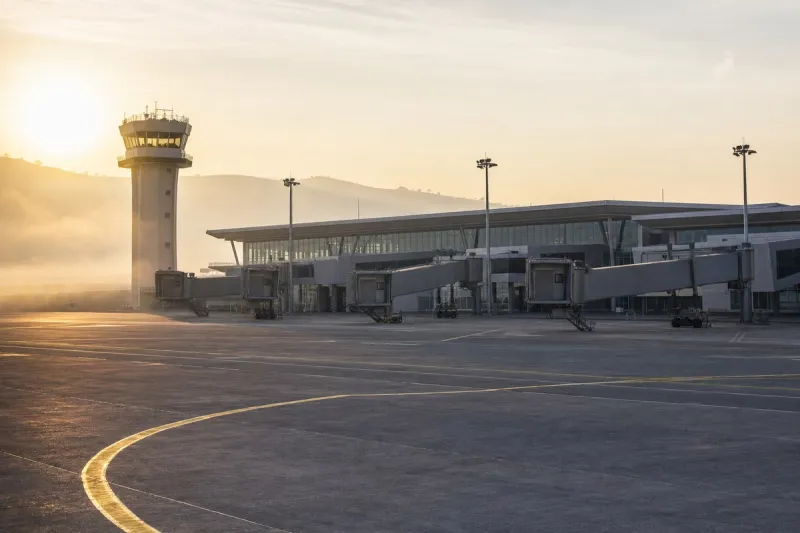
Arrivals data since 2020 from Global Charter, a Miami-based private jet brokerage, show that 88% of the company's Miami private jet arrivals landed at Miami-Opa Locka Executive Airport. Opa Locka ranked as the seventh busiest private jet airport in the United States in 2025. The airport sits about 30 minutes north of downtown Miami, has no scheduled airline service, and hosts a U.S. Customs and Border Protection office that lets passengers arriving from international destinations clear customs beside the aircraft instead of in a commercial arrivals hall.

Miami International has a private terminal on the north side of the field, useful when a trip involves an airline connection, while Miami Executive Airport is noted as an option for passengers staying farther south of the city. New York sends more private flights into Miami than any other city, with departures concentrated at Teterboro Airport and a flight time of about 2 hours 40 minutes. Nassau, Bahamas, under an hour away by air, sends more private flights into Miami than Teterboro, with Providenciales in the Turks and Caicos, roughly two hours out, close behind; St. Maarten also serves as a departure point and functions as the gateway for St. Barths, whose runway is too short for most jets.
The private aviation season in Miami runs from November to April, with February and March identified as the busiest months as seasonal residents settle in and Northeast-Miami-islands traffic peaks. Art Basel Miami Beach, held in the first week of December, draws additional demand that constrains parking for private aircraft, sometimes forcing jets to reposition to other airports. The Miami International Autodrome at the Hard Rock Stadium complex in Miami Gardens is noted as being close to Opa Locka.
Industry impact & what to watch
This is a case of a metro area's private aviation map diverging sharply from its commercial one: passengers default to the field that solves a specific operational problem, here a customs clearance point beside the aircraft, over the airport with the biggest brand recognition. The pattern generalizes to any market where a general-aviation field pairs proximity with a customs facility, letting it absorb the bulk of international arrivals even when a larger, more visible airport sits nearby.
Miami's role as a connector between the Northeast, the city itself, and nearby island destinations such as Nassau, Providenciales, and St. Maarten/St. Barths means airport choice is also a function of itinerary shape, not just distance from a hotel. Seasonal compression adds another layer: the November-to-April season, with February-March as peak months, and single-week demand spikes like Art Basel, mean capacity questions are concentrated in short windows when parking constraints can force aircraft to reposition elsewhere.
What remains worth tracking is whether Opa Locka's share holds as the season progresses through its December and February-March peaks, and whether parking pressure during high-demand weeks such as Art Basel pushes more traffic toward Miami Executive or Miami International's private terminal as overflow capacity.