Private Aviation in 2026: Fractional, Jet Card, and Charter Options Compared
Why It MattersAs fleets diversify across ownership, fractional, jet card and charter, pricing structure and utilization thresholds — not just demand growth — increasingly determine which access model suits a given flyer.
What happened
Business-jet activity through June 2026 ran approximately 4% ahead of the same period in 2025, with North America closer to 5%, according to WingX data, building on what was already the industry's busiest year on record. Honeywell's annual outlook projects 8,500 new business-jet deliveries worth $283 billion over the next decade, the largest forecast in the report's 34-year history, and notes that one in five operators worldwide has at least one aircraft on firm order while fractional fleets have grown more than 65% since 2019.
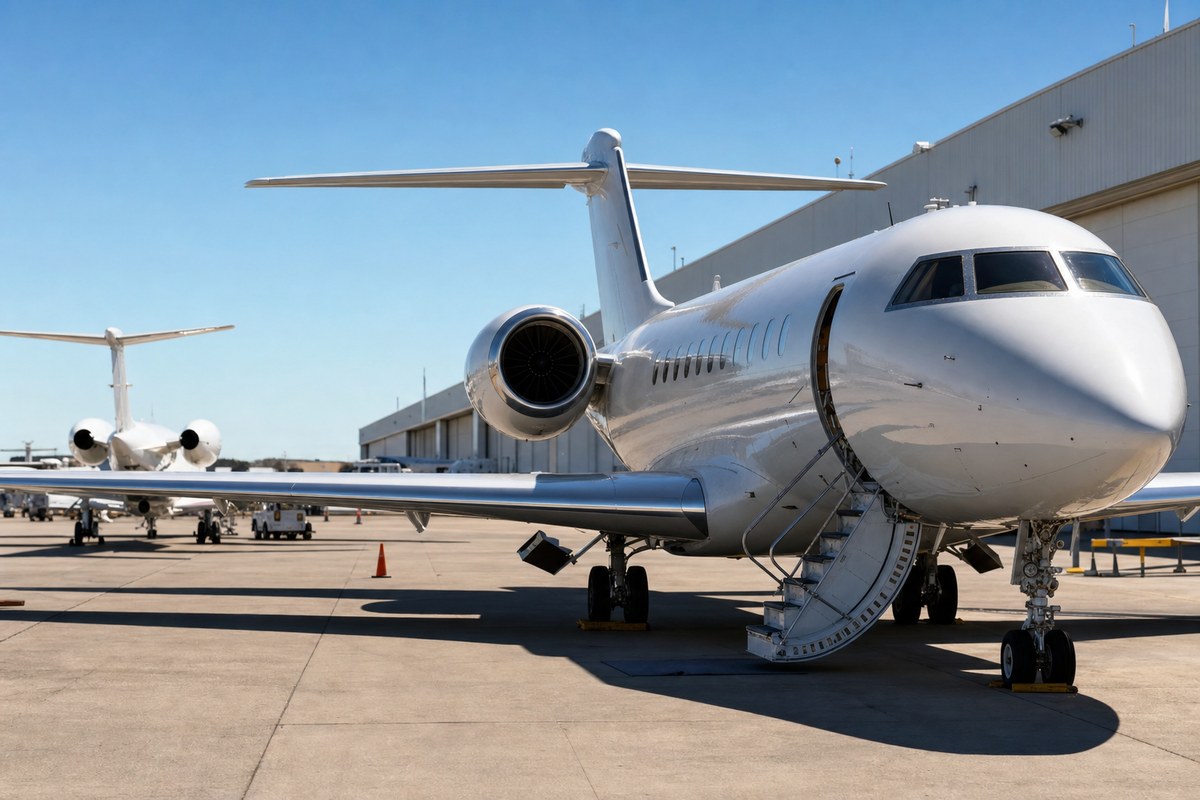
The market in 2026 offers four principal access models: whole ownership, fractional shares, jet cards, and on-demand charter. On a large-cabin jet, fixed costs alone — crew, hangar, insurance, and training — can exceed $2 million a year before fuel, which runs $3,000-plus an hour at 2026 prices. Industry break-even analyses place the crossover where ownership beats alternatives at roughly 200 to 250 flying hours a year. Among whole-aircraft owners surveyed by Private Jet Card Comparisons founder Doug Gollan, 55% also hold jet cards, 47% book ad hoc charter, and 31% hold fractional shares in addition to their owned aircraft. The return of 100% bonus depreciation in 2026 has made purchase more attractive on paper.
A one-sixteenth fractional share buys roughly 50 hours per year, with entry pricing running from approximately $700,000 for a light or midsize jet share to $2.5 million and above for large-cabin, before monthly management fees and an occupied hourly rate that can add well into six figures annually. Fractional flying rose more than 10% in the past year. Flexjet CEO Michael Silvestro says new Flexjet owners are on average 10 years younger than they were in 2019, and that nearly 85% of aircraft being added to the fleet this year are midsize or larger.
The average North American jet card ran just over $11,300 per hour in 2026 — roughly $8,500 per hour on a light jet and $15,200 per hour on a large-cabin aircraft. A 25-hour light-jet card typically costs $150,000 to $225,000. Rates dipped approximately 1% in the second quarter of 2026, though peak-day surcharges have continued to multiply. Cards are priced on three structures — fixed hourly, capped hourly, or dynamic pricing that floats with the market — and the 7.5% federal excise tax, when not included in a quoted rate, adds hundreds of dollars per hour to the effective cost. Leona Qi, president of Vista U.S., reports that VistaJet traffic between Africa and Asia rose 42% in 2025, while the Middle East–North America and South America–Europe corridors each grew 28%. Wheels Up CEO George Mattson notes that studies suggest the vast majority of people who can afford to fly private have never done so, and that occasional flyers are the first to reconsider when economics tighten. Doug Gollan cites more than 5,000 airports served by private aviation in the U.S. versus fewer than 500 served by airlines, alongside an airline system where a cancellation can mean a day or more before rebooking.
Industry impact & what to watch
The pattern here is a maturing market segmenting itself by utilization rather than simply by wealth: ownership, fractional, jet card and charter are increasingly framed as complementary tools rather than competing products, evidenced by the overlap Gollan's survey found among whole-aircraft owners who also hold cards or fractional shares. That overlap suggests the real decision for a flyer is not which single model to choose but how many hours a year they actually fly, since break-even math around 200 to 250 hours a year separates buyers from cardholders more than preference does.
Fractional's growth — more than 65% in fleet size since 2019 and over 10% in flying hours in the past year — shows how a model built around guaranteed access rather than asset ownership scales when demand outpaces new aircraft supply. Jet card pricing structures (fixed, capped, dynamic) and the federal excise tax's effect on effective hourly cost illustrate how granular the pricing mechanics have become even within a single access tier.
What to watch is whether the occasional flyers Mattson describes — the segment most sensitive to tightening economics — pull back enough to soften jet card and charter demand even as WingX's 4-5% activity growth and Honeywell's decade-long delivery forecast point the other way. The corridor growth Qi cites in Africa-Asia and Middle East-North America traffic will also test whether international demand can keep absorbing new large-cabin capacity as it enters fractional and charter fleets.