London's Four Private Jet Airports Compared: Farnborough, Luton, RAF Northolt and Biggin Hill
Why It MattersAirport choice around a major city increasingly hinges on matching runway length, curfew rules and FBO capacity to aircraft type and schedule rather than proximity alone.
What happened
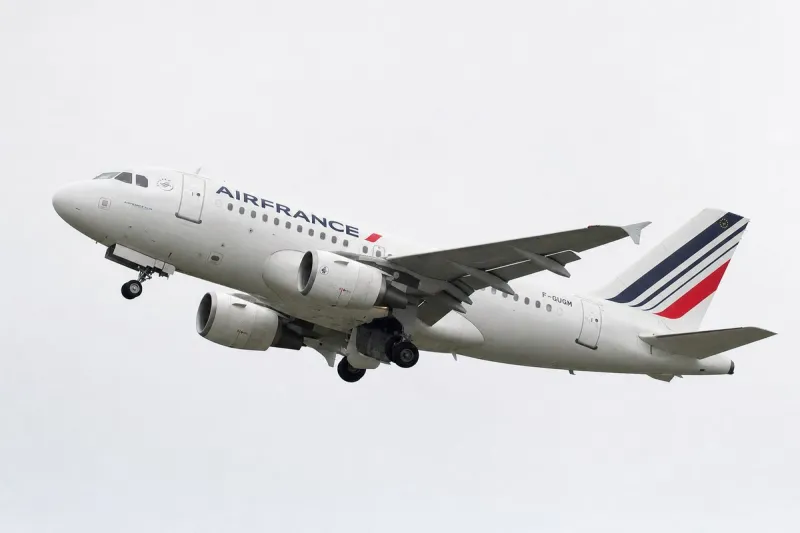
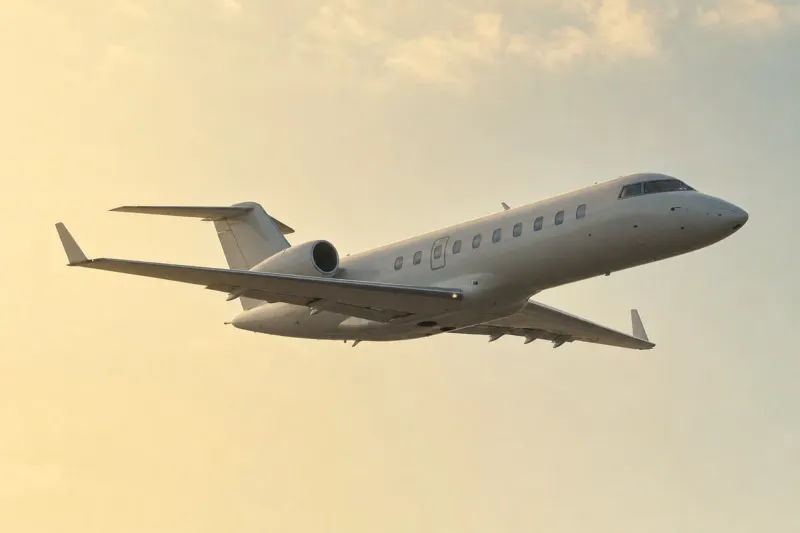
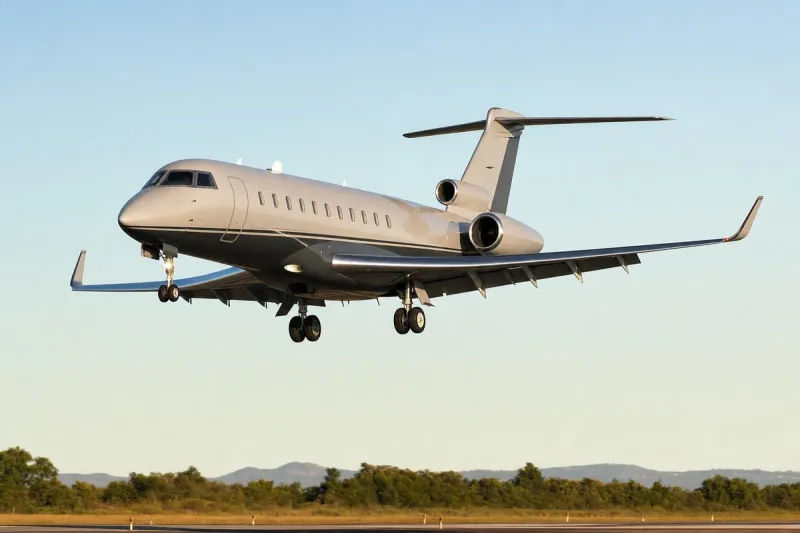
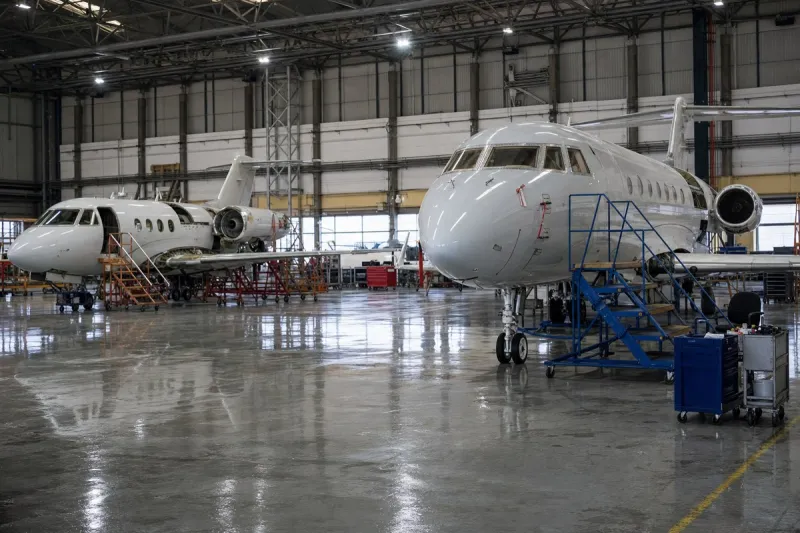
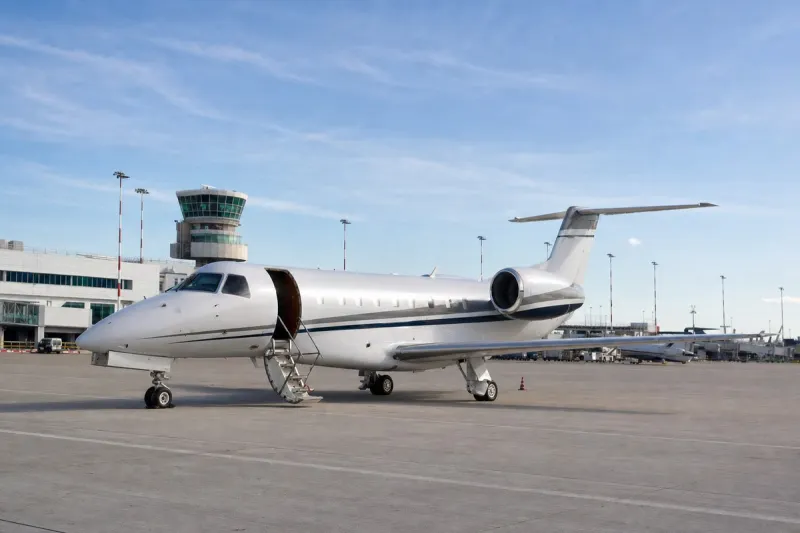
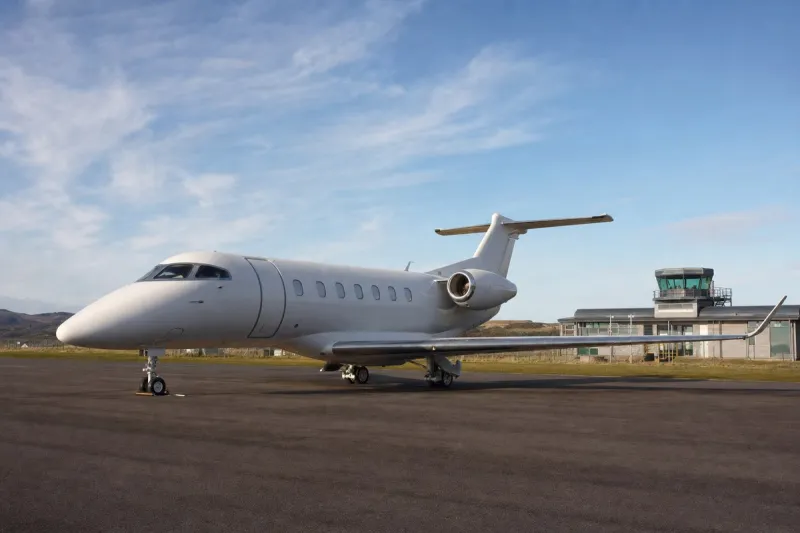
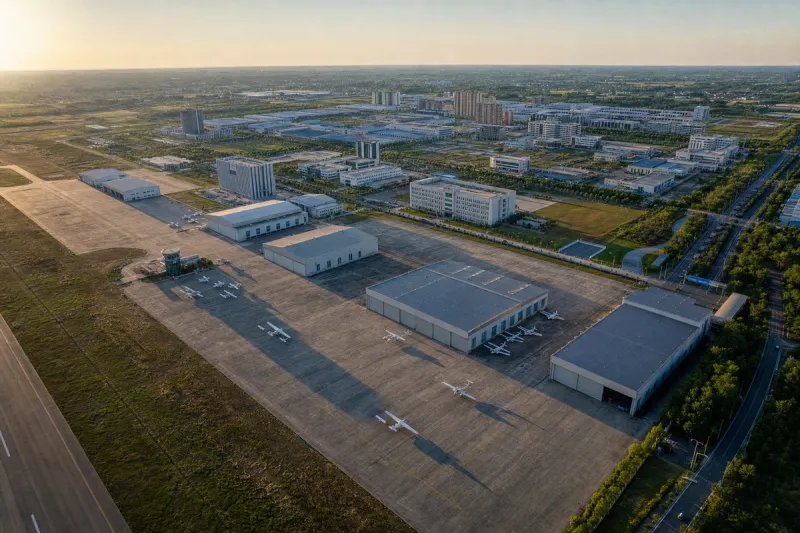
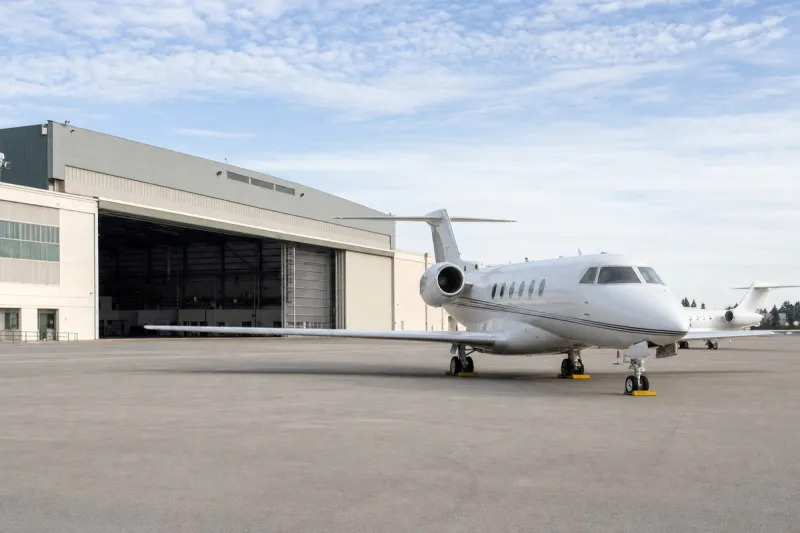
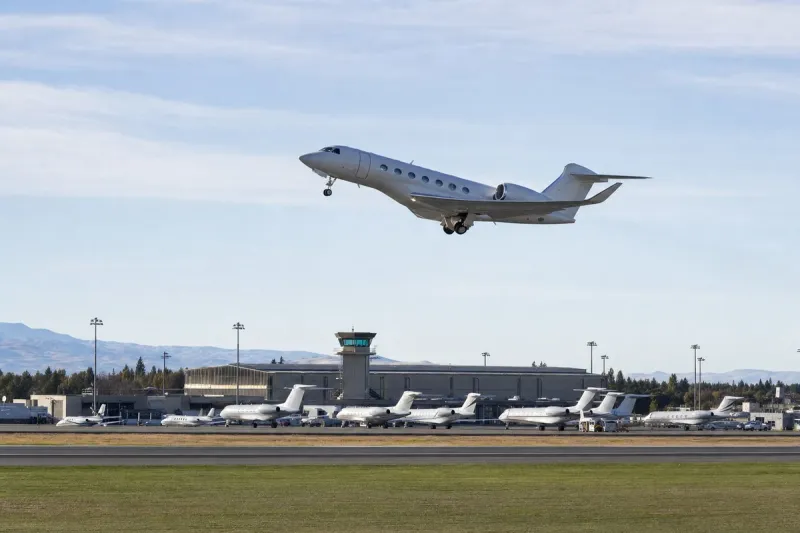
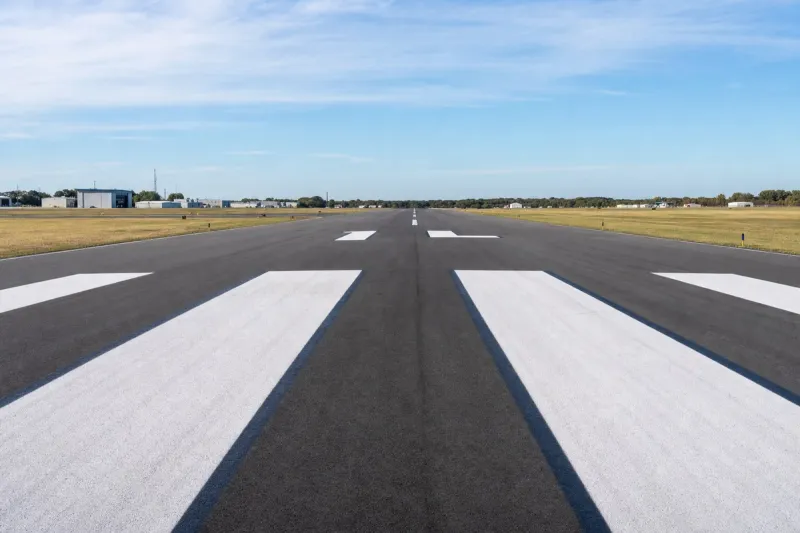
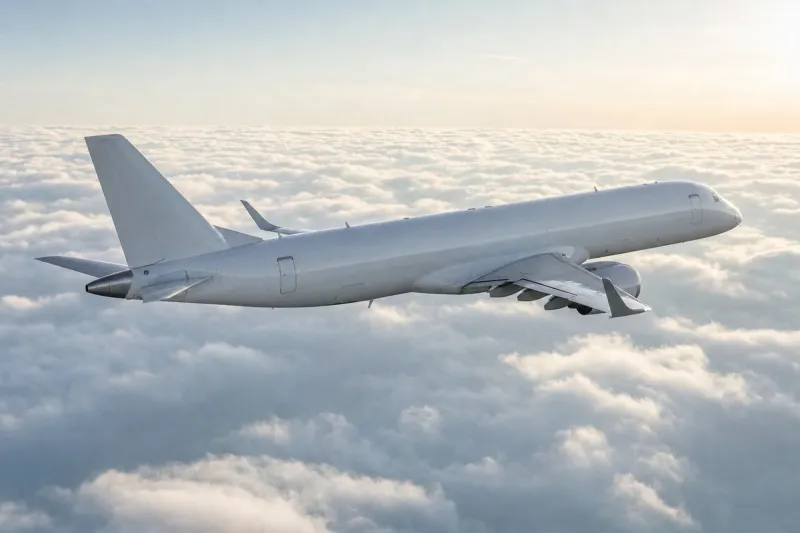
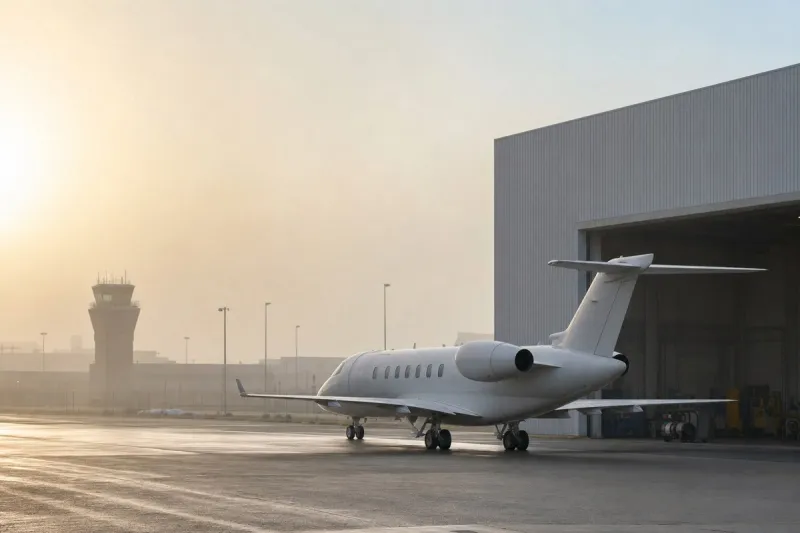
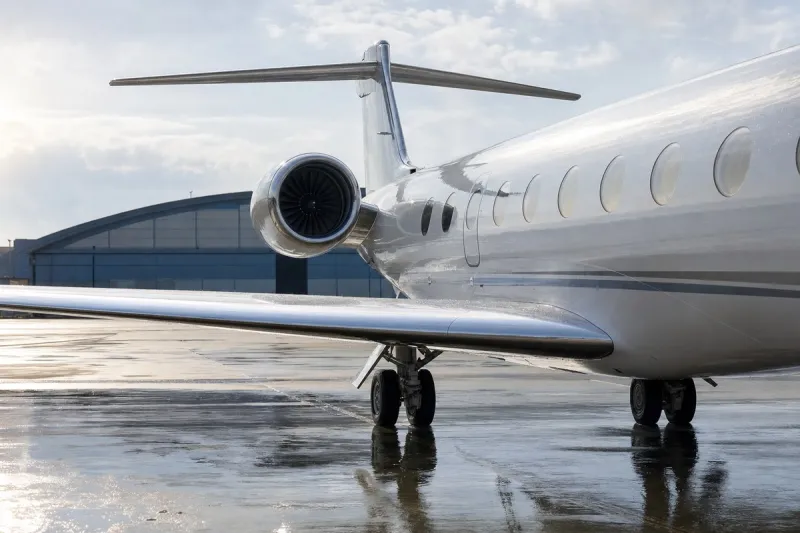
London's private aviation traffic is split across four airports with distinct operational profiles: Farnborough (FAB/EGLF), Luton (LTN/EGGW), RAF Northolt (NHT/EGWU) and Biggin Hill (BQH/EGKB). Farnborough, roughly 35–40 miles southwest of central London in Hampshire, is the UK's only airport built and operated exclusively for business aviation, with no scheduled airline traffic. Its 2,440-metre runway with full instrument approach capability handles heavy and ultra-long-range jets, including Boeing Business Jets and Airbus Corporate Jets on transatlantic and Middle East routings, with all ground services managed by a single FBO, TAG Farnborough. Operating hours are 07:00–22:00 on weekdays and 08:00–20:00 on weekends and bank holidays.
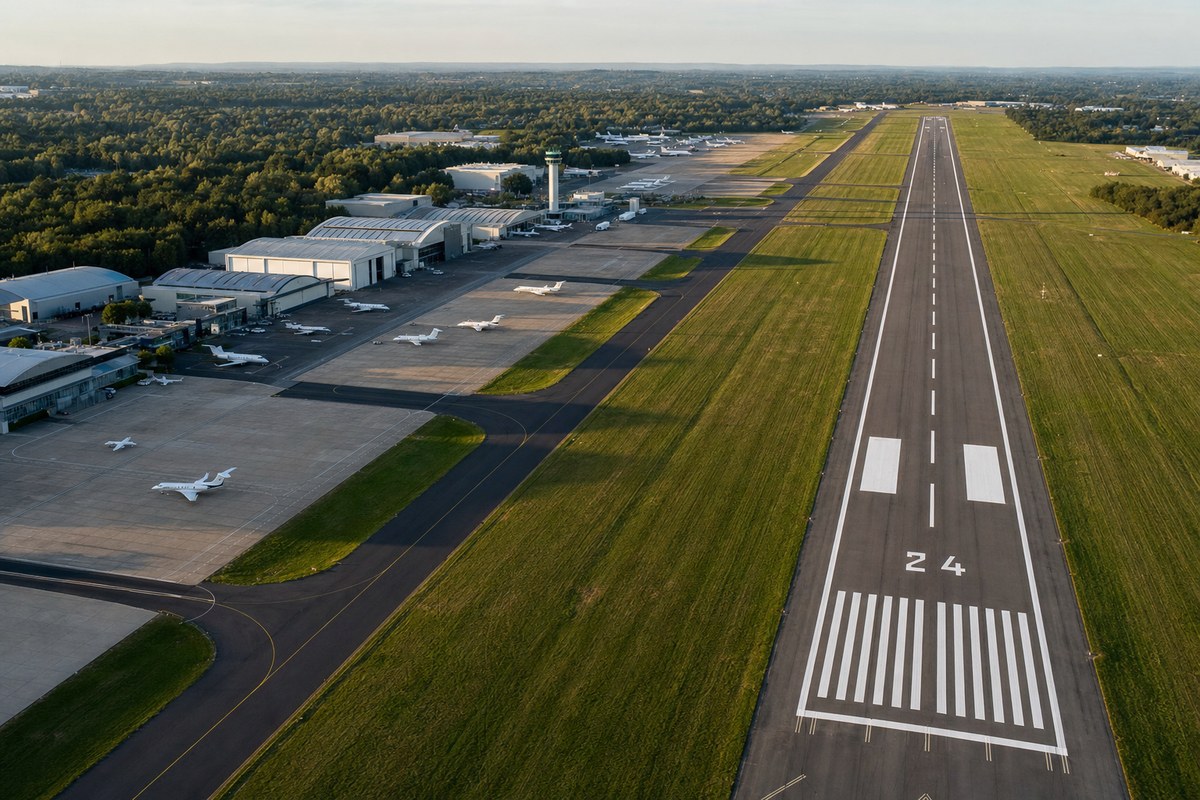
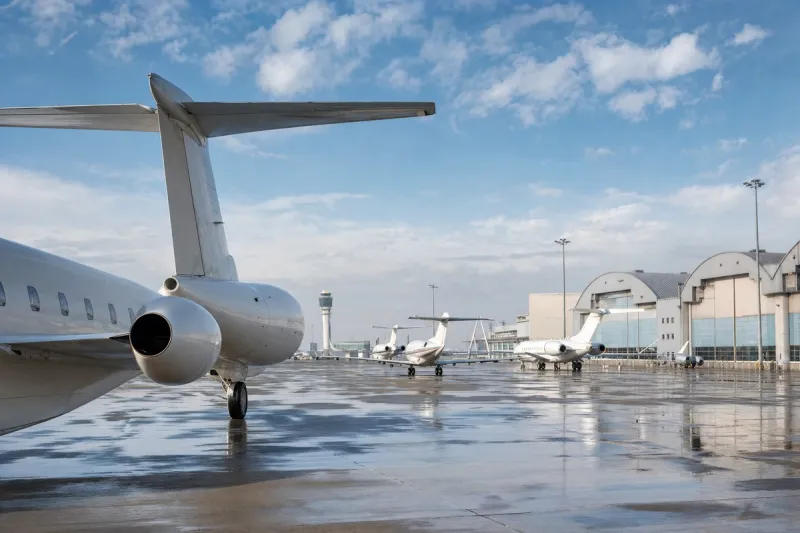
Luton, approximately 30–35 miles north of central London, is the only one of the four that also handles scheduled commercial airline traffic, enabling 24-hour private aviation operations every day of the year. Its 2,162-metre runway accommodates the full range of business jets, including ultra-long-range types, with two IS-BAH-accredited FBOs on-site, Signature Flight Support and Harrods Aviation. Road transfers to central London run 45 minutes to an hour, while a helicopter transfer to Battersea takes around 15–20 minutes.
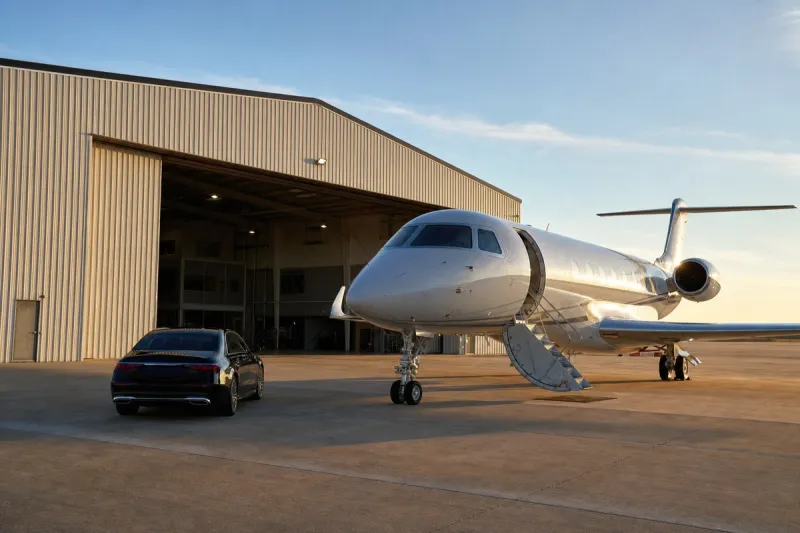
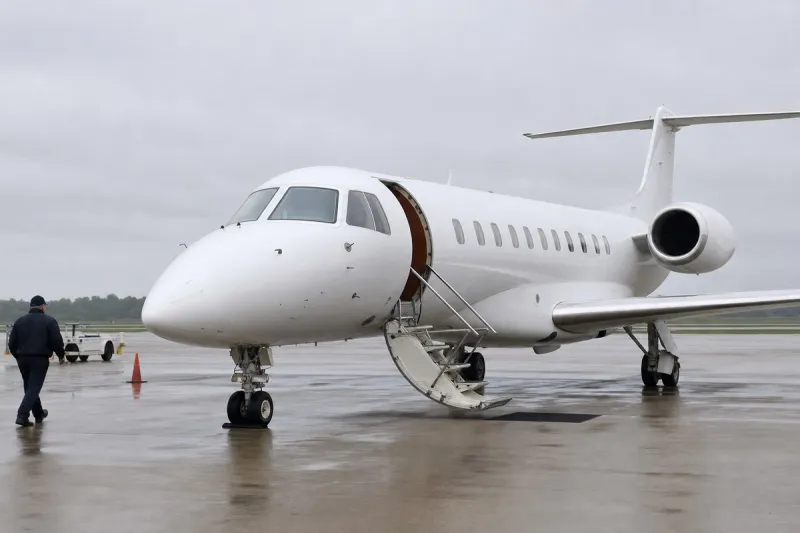
RAF Northolt, an active Royal Air Force station roughly 12–13 miles west of central London, is the closest of the four to the West End, with road transfers to Mayfair typically taking 25–30 minutes. Civilian private jet movements there are subject to strict daily slot limits and security requirements, operating hours run approximately 08:00–20:00 on weekdays with shorter windows at weekends and bank holidays, single-engine aircraft are not permitted, pets are not allowed, and aircraft handling is capped at a maximum of 29 passengers, all through a single FBO.
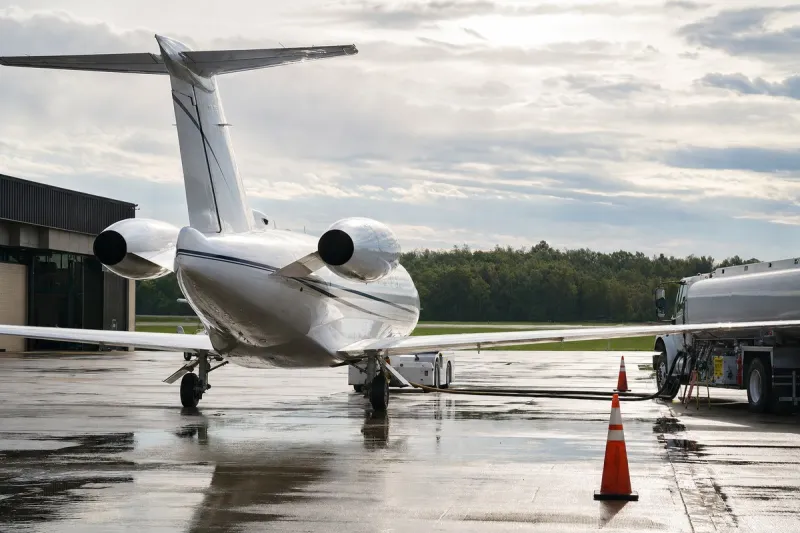
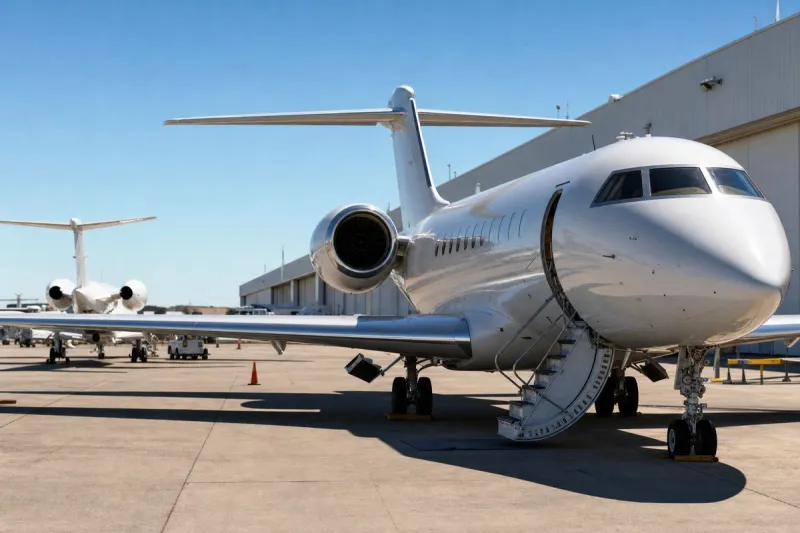
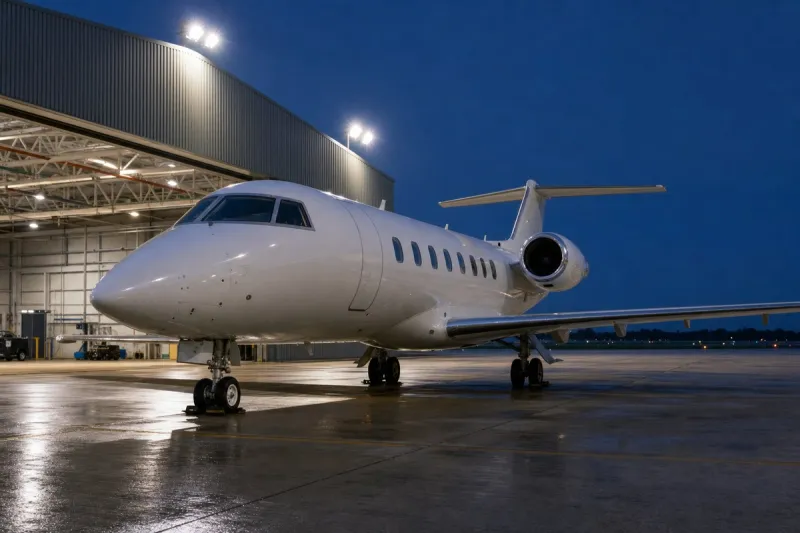
Biggin Hill, inside the M25 approximately 12–15 miles southeast of central London, is London's second exclusively business-aviation airport alongside Farnborough. Its runway measures approximately 1,800 metres, shorter than Farnborough's and Luton's, suiting light, midsize and large-cabin jets but potentially imposing payload or range restrictions on heavy and ultra-long-range aircraft depending on conditions. Two FBOs operate on-site: Jetex London, a purpose-built terminal that opened in 2023, and Biggin Hill Executive Handling, and it offers the longest operating hours of any London-area private aviation airport.
Industry impact & what to watch
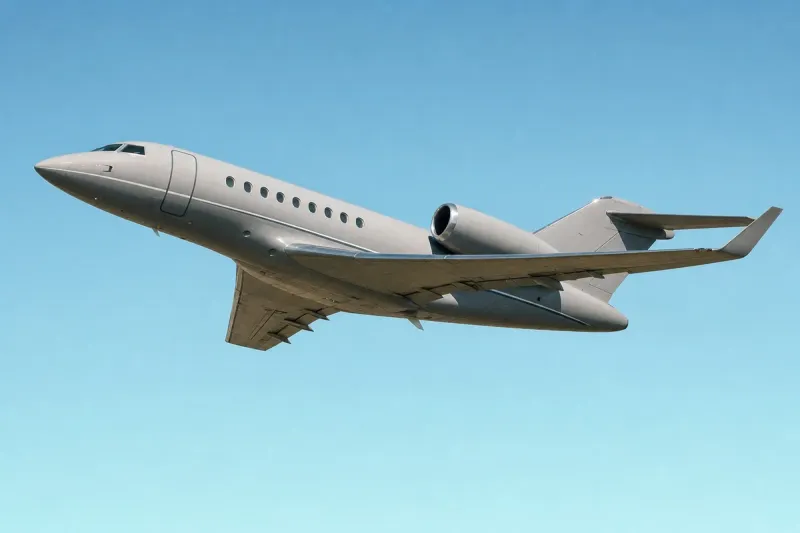
This comparison illustrates a pattern common to major metropolitan areas with more than one general aviation gateway: no single airport optimizes for every mission, so aircraft type, timing and ground-transfer priority together determine the routing decision rather than proximity alone. Runway length sets the ceiling on aircraft category — Farnborough and Luton's longer runways admit heavy and ultra-long-range jets, while Biggin Hill's shorter strip and Northolt's slot and passenger caps push those airports toward light, midsize and large-cabin traffic.
Operating hours and slot regimes are the other axis of differentiation. Luton's 24-hour, every-day availability and Biggin Hill's extended hours serve early or late movements that Farnborough's and Northolt's more limited windows cannot, while Northolt's security requirements, single-engine restriction and 29-passenger handling cap illustrate how a military-hosted civil operation trades scheduling flexibility for the shortest run into central London.
FBO structure also varies: Luton and Biggin Hill each give operators a choice of two ground handlers, while Farnborough and Northolt route all traffic through one, a distinction that affects competition on handling fees and slot availability at peak times. Which airport an operator selects for a given trip will continue to depend on matching aircraft category, required hours and passenger transfer priorities against these four distinct profiles.