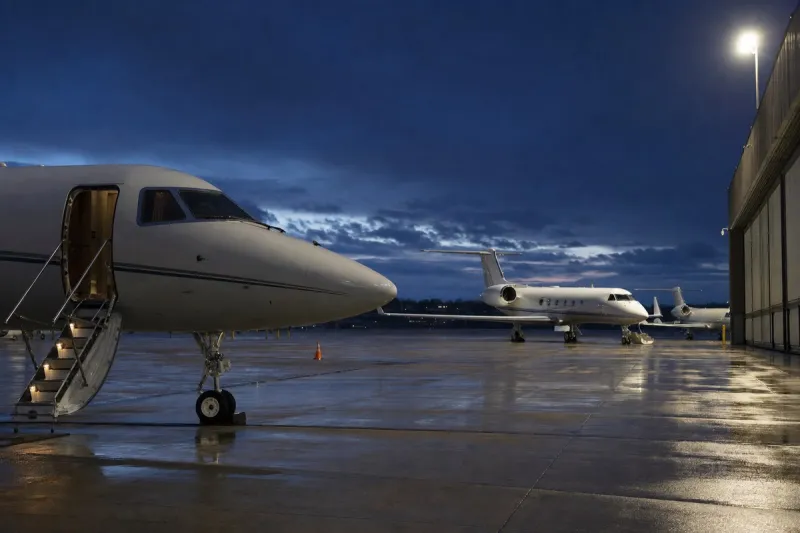
Women Now Account for 29% of Private Jet Purchasers as Executives Shift from Business Class to Regional Charters
Why It MattersCharter demand in this segment is being driven less by comfort than by ground-time arithmetic, with dedicated business aviation airports competing on minutes saved rather than fares charged.
What happened
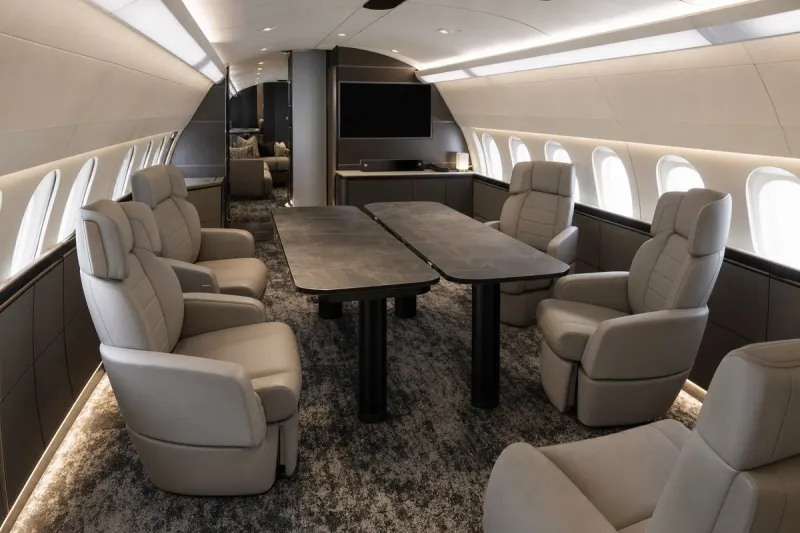
Women now represent approximately 29% of private jet purchasers, according to recent industry reporting, which points to a growing trend of senior female executives choosing regional air charters over commercial business-class travel. The reporting frames the shift as driven largely by time efficiency rather than luxury.

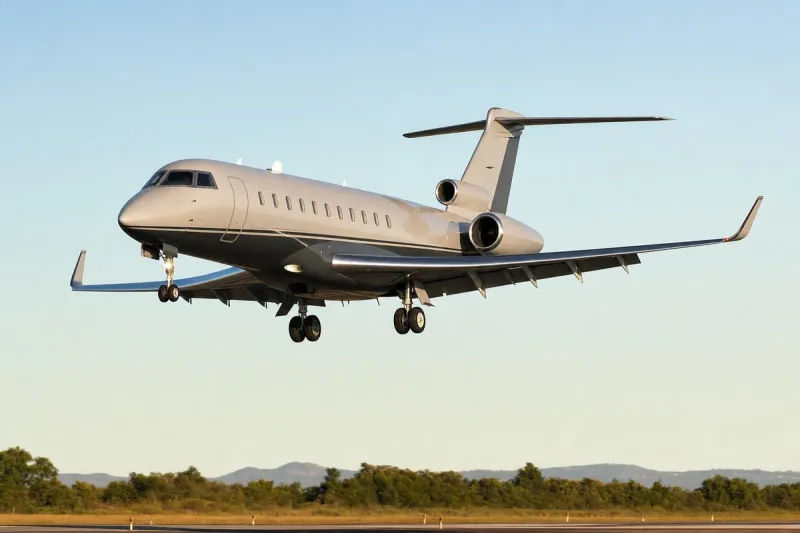
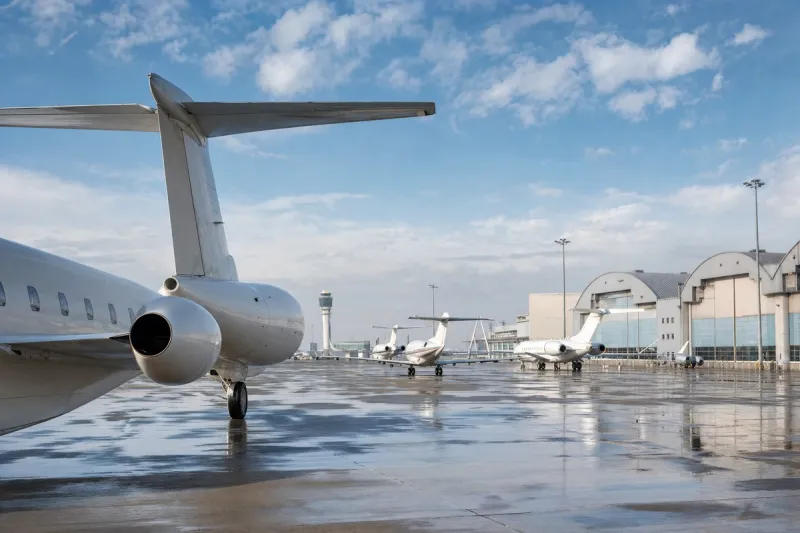
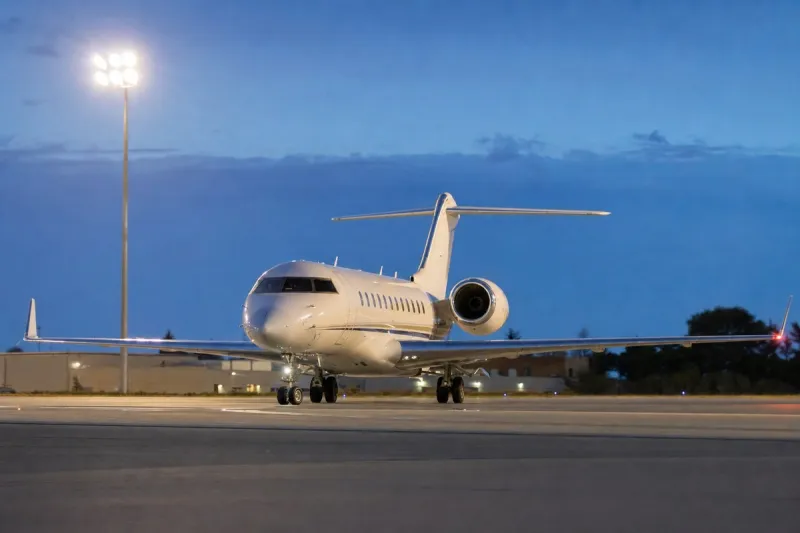
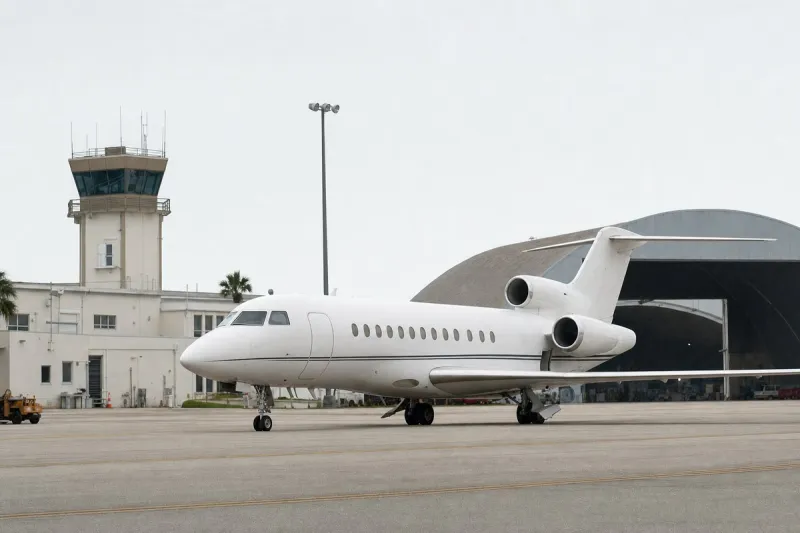
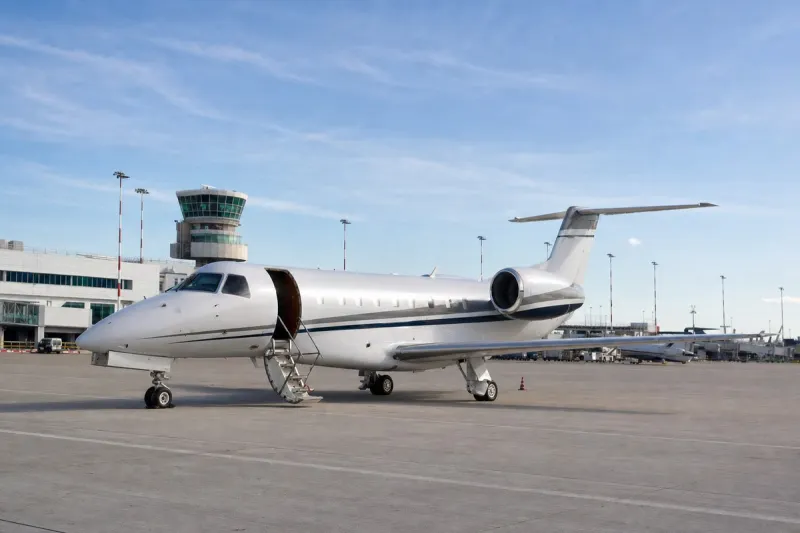
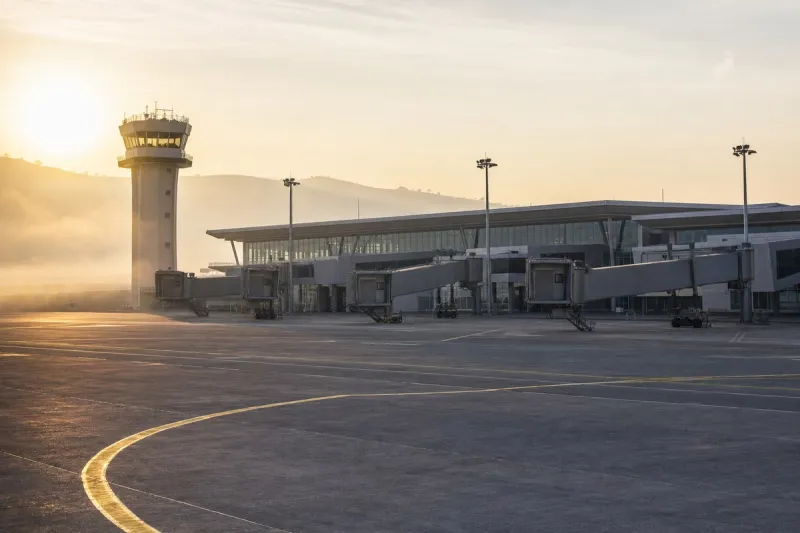
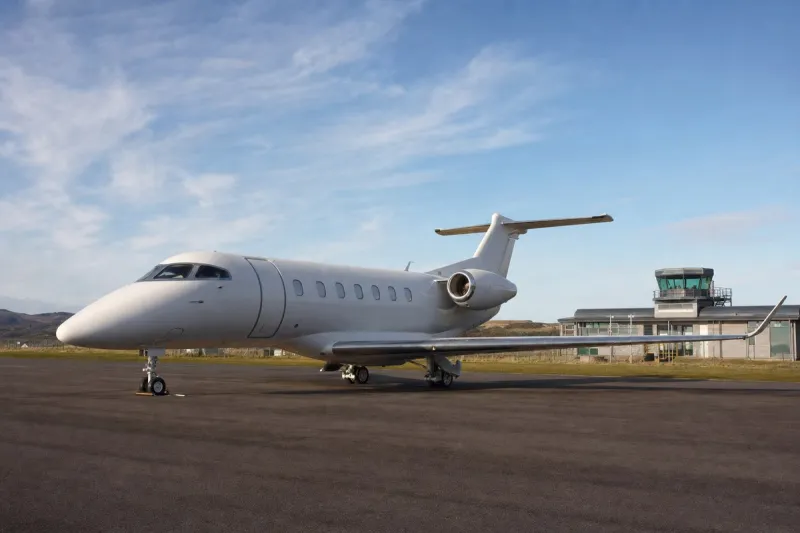
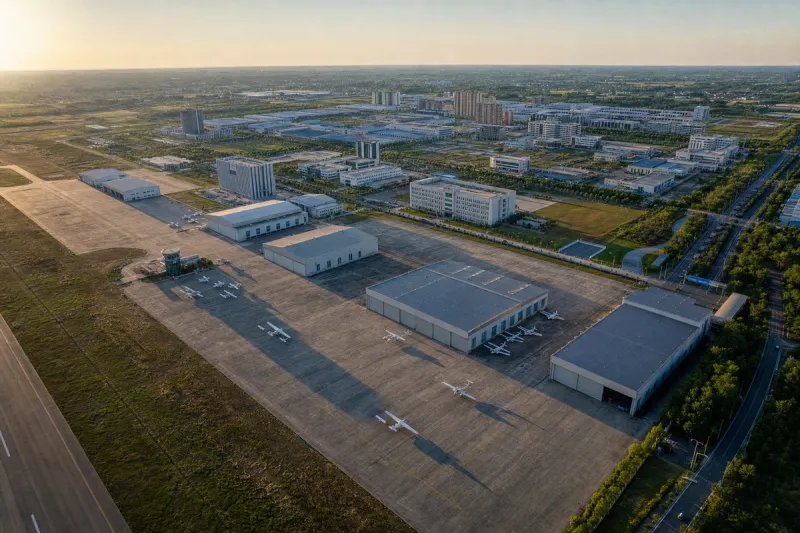
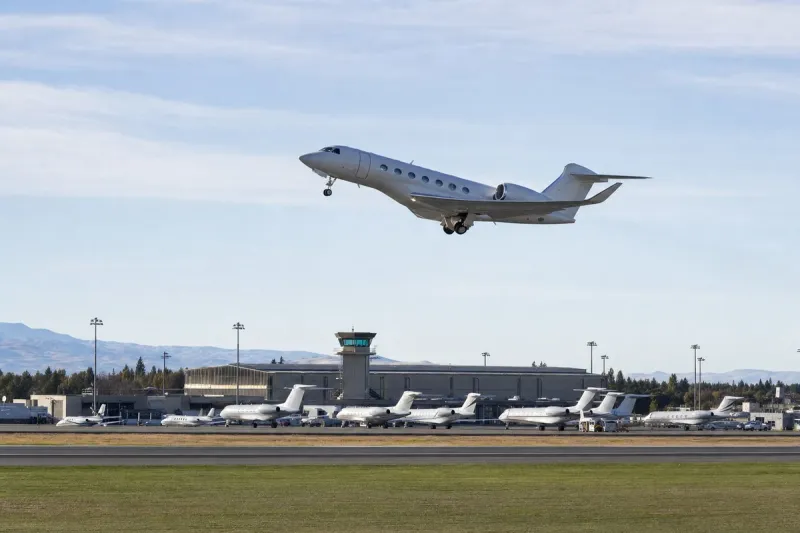
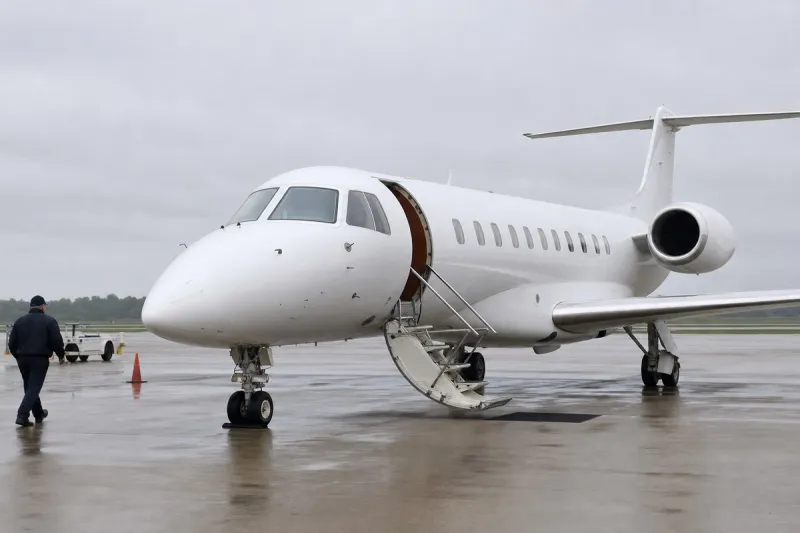
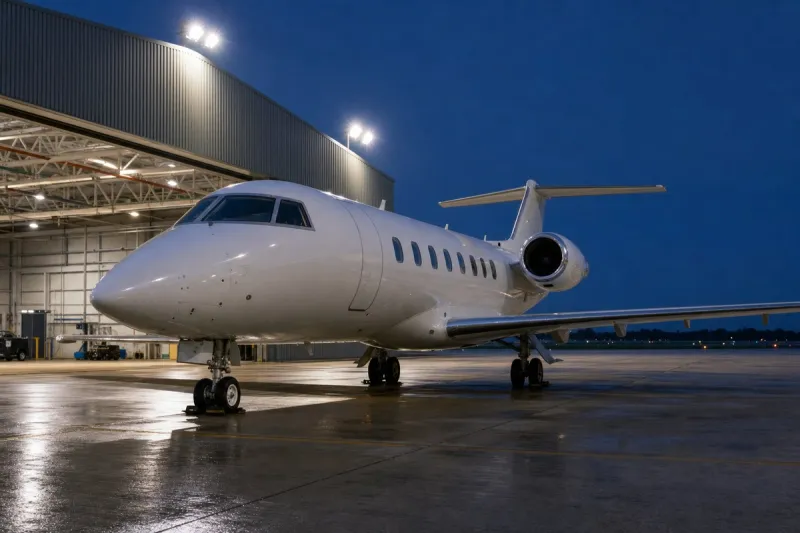
A same-day commercial return between London and Paris involves around 50 minutes in the air but roughly three hours lost at each end navigating major hubs such as Heathrow or Charles de Gaulle, once check-in, security and terminal transfers are included. A charter from a dedicated business aviation airport can reduce that ground time to as little as 15 minutes from car to cabin. Three regional departure points are named as particularly popular: RAF Northolt, a military airfield in west London with limited civilian access, which offers minimal congestion and places passengers in Mayfair or Westminster within 25 to 30 minutes of landing; Biggin Hill, in south-east London, described as the UK's busiest dedicated business aviation airport, handling no scheduled commercial traffic and operating on a 15-minute arrival process with a Fixed Base Operator managing security and customs in a single building; and Manchester's dedicated private aviation facility.
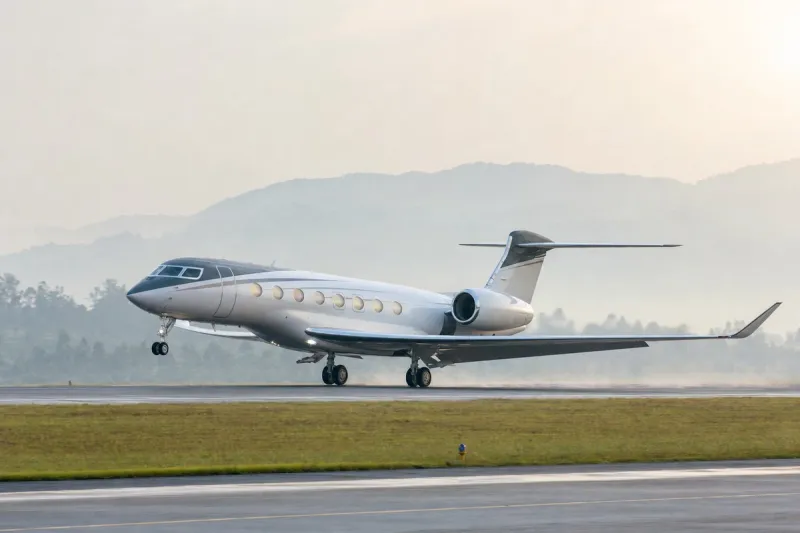
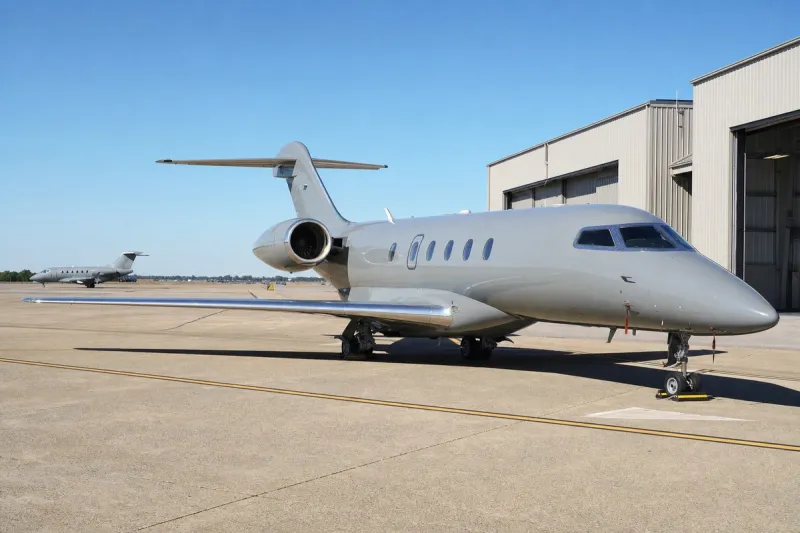
A case study illustrates the trade-off: a same-day London–Barcelona charter departing from Biggin Hill used a light jet timed for a 2pm meeting, with a six-hour ground window and a same-day return. The commercial alternative — flying in first class — would have required a full 24 hours away, including an overnight stay. The charter cost several times more than two first-class tickets, but the executive's comparison was between a same-day return and an additional lost working day plus a hotel night.
Industry impact & what to watch
This case sits inside a broader repositioning of business aviation demand: buyers increasingly weigh charter cost against the value of a working day rather than against the price of a first-class seat. When ground time at dedicated airports like Biggin Hill or RAF Northolt runs to minutes rather than hours, the relevant comparison shifts from airfare to schedule integrity.
The segment's economics depend on this reframing holding up across a wider customer base, not just isolated executive trips. A dedicated business aviation airport with no scheduled commercial traffic can offer a 15-minute arrival process precisely because it avoids the congestion that defines major hubs — a structural advantage that scales with how many such airports and slots remain available as demand grows.
What remains unclear is how durable the 29% purchaser share is over time, and whether it reflects a broadening of the buyer base or a concentration of trips among a smaller number of frequent flyers. The next useful data point would be purchaser or charter-usage figures reported over a comparable future period, which would show whether this is a lasting shift in who books charters or a snapshot of one moment in the market.