Beaufort Executive Airport Plans Two New Hangars with Construction Targeted for Spring 2027
Why It MattersSmall general-aviation airports often depend on incidental infrastructure changes and federal relief funding, rather than steady capital budgets, to unlock long-deferred hangar capacity.
What happened
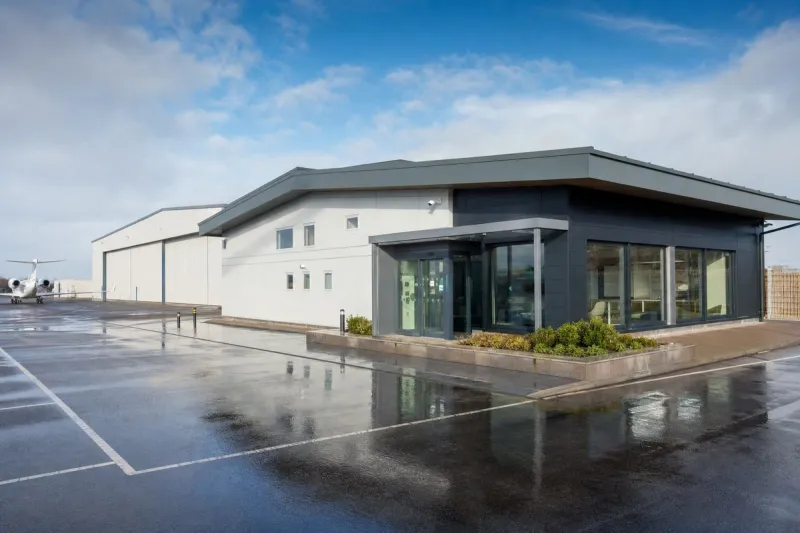
Beaufort Executive Airport on Lady's Island, South Carolina, plans to build two new hangars to address demand for aircraft storage at what is the only airport in northern Beaufort County. The project includes an eight-bay T-hangar and a 50-by-50-foot box hangar designed for larger aircraft.
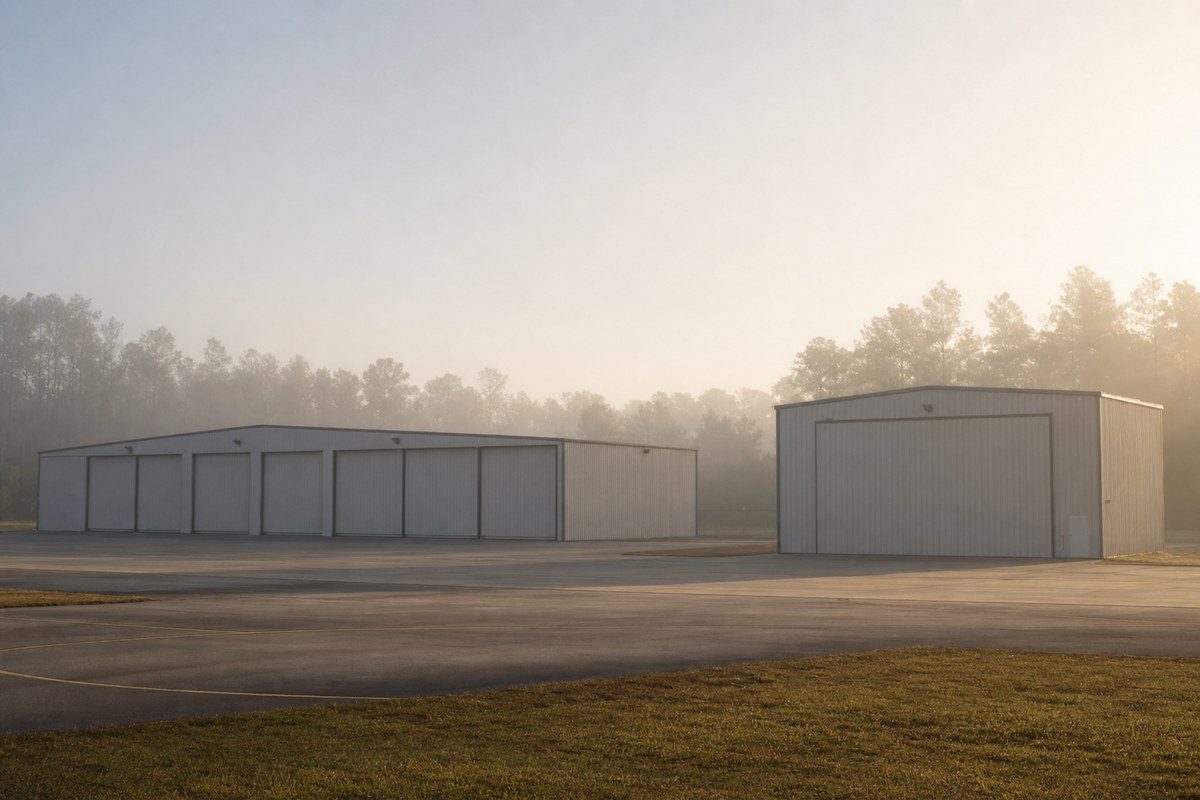
Beaufort County Airports Director Jon Rembold said the airport currently has 34 hangars and a waiting list of approximately 70 private pilots seeking storage space, and he expects both new hangars to reach 100 percent occupancy on the day they open. "We're hopeful that the construction on these buildings will start in spring of 2027," Rembold said. The project was recently approved by Beaufort County Council and will be funded largely through the American Rescue Plan Act, with estimated costs around $1 million, though county officials are requesting up to $2 million until final figures are determined.
The expansion was made possible in part by the removal of a septic system from a field on the northeast side of the terminal, taken out after a Walmart Supercenter opened across the road in 2017. That development's plan included a new sewer line the airport was able to connect to, freeing previously unusable land. The airport handles between 22,000 and 25,000 takeoff and landing operations per year, and according to the Greater Beaufort-Port Royal Convention and Visitors Bureau, visitors from 50 miles or more outside the area account for 34 percent of those arriving through the airport. Beyond the two hangars in planning, the airport is also considering a separate 12-bay hangar project, though no start date or funding source has been identified for that phase; Rembold said it may draw on airport revenue, which comes primarily from fuel sales supplemented by hangar rentals.
Industry impact & what to watch
A waitlist of roughly 70 pilots against 34 existing hangars at a single-runway county airport illustrates how storage demand at small general-aviation fields can outpace capacity for years before a project becomes financially or physically feasible. Here, the constraint was not appetite but land: a septic system tied up usable ground until an unrelated retail development's sewer line gave the airport an opening to build.
County-owned general-aviation airports typically fund hangar expansion through a mix of federal or state relief programs, county appropriations, and internal revenue from fuel sales and rentals, since farebox-style ticket revenue does not exist at these fields. Beaufort's reliance on American Rescue Plan Act money for the first two hangars, and its unfunded plan for a third, twelve-bay structure, reflects that pattern: incremental buildout as financing sources become available rather than a single comprehensive capital plan.
The next marker is whether construction actually begins in spring 2027 as targeted, and whether the county settles the project cost within the $1 million estimate or closer to the $2 million ceiling it has requested. Rembold's comment that pilots read active construction as a sign of airport legitimacy suggests the county may also use this project to justify pursuing funding for the twelve-bay hangar that remains unscheduled.