FlyExclusive Q2 Revenue Jumps 22% to $111.1M as Utilization and Profitability Improve
Why It MattersThe results show fractional and jet-card operators can lift profitability primarily through better fleet utilization and cost discipline rather than fleet expansion, even while carrying debt reduction targets.
What happened
FlyExclusive, the Raleigh, North Carolina-based private aviation provider, reported second-quarter revenue of $111.1 million, a 22% year-over-year increase, even as it operated 6% fewer aircraft than in the same period a year earlier. Flight hours rose 8% and core fleet utilization climbed 14%. The company posted its third consecutive quarter of positive adjusted EBITDA, at $4.2 million, an improvement of $9.4 million from a $5.2 million deficit in the prior-year quarter, while gross profit climbed 65%.

For the first half of the year, FlyExclusive revenue rose 15% to $207.5 million, with adjusted EBITDA reaching approximately $4.4 million, a $16 million improvement from the same period last year. The company has reduced long-term notes payable by roughly $94 million since 2024.
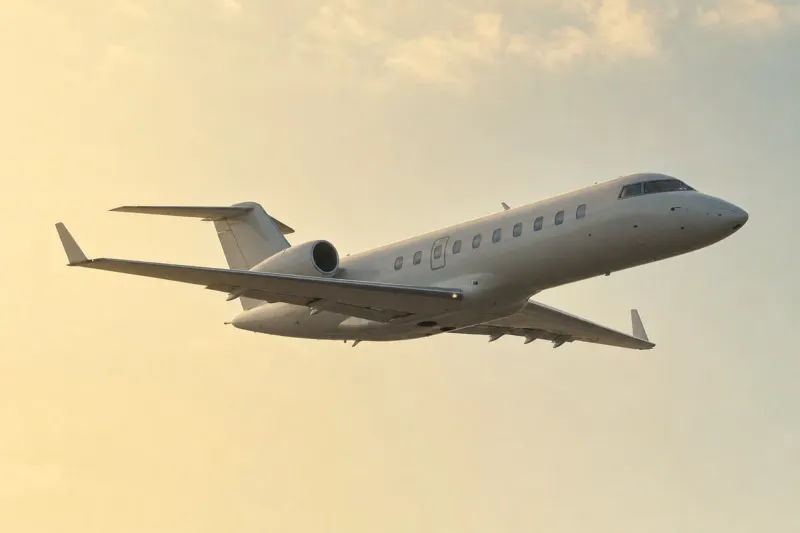
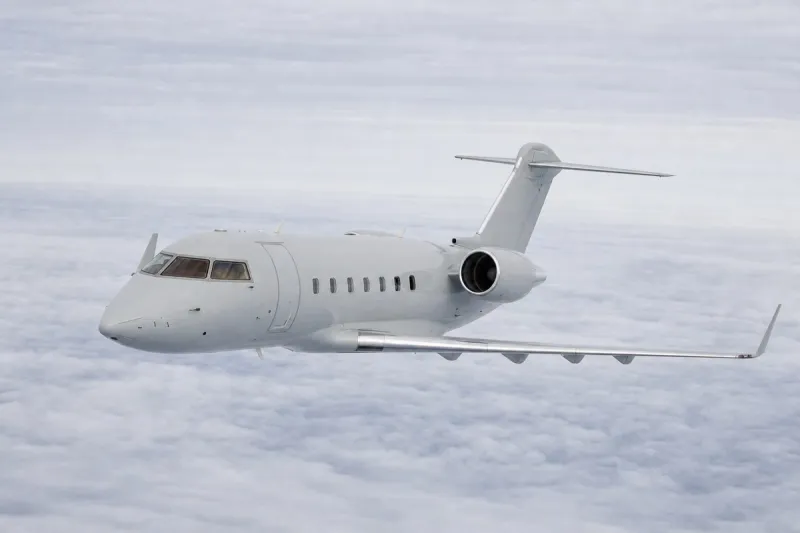
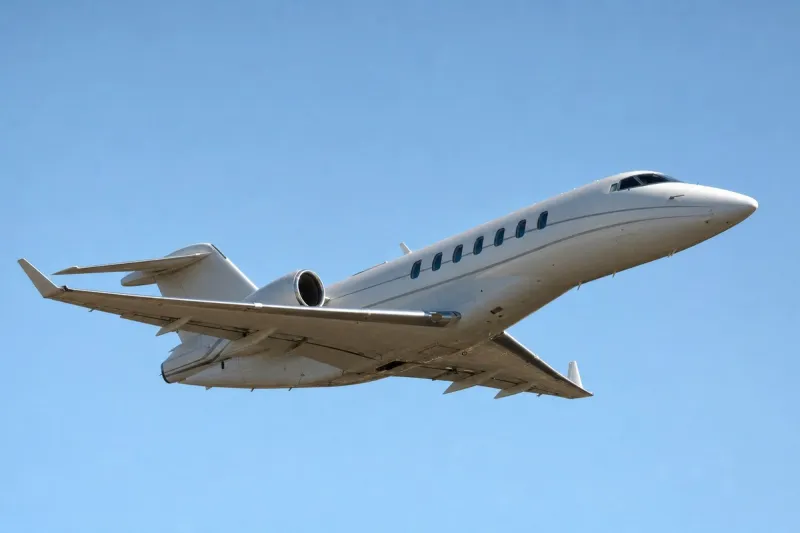
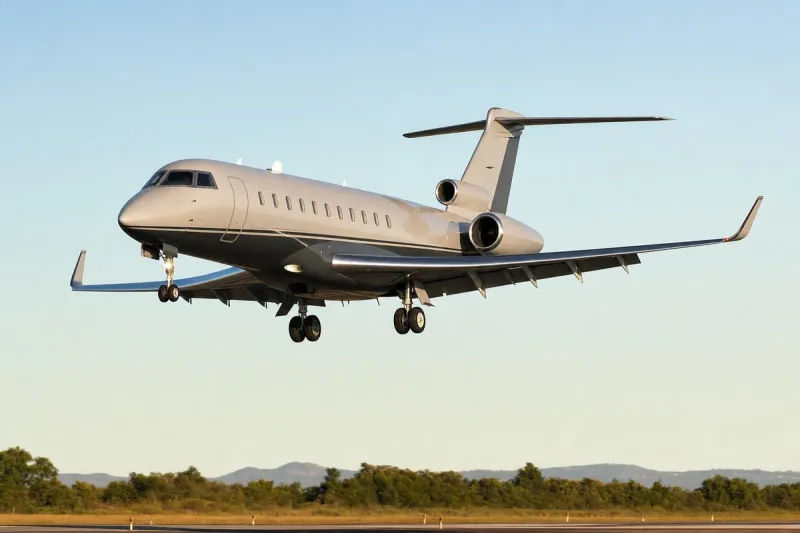
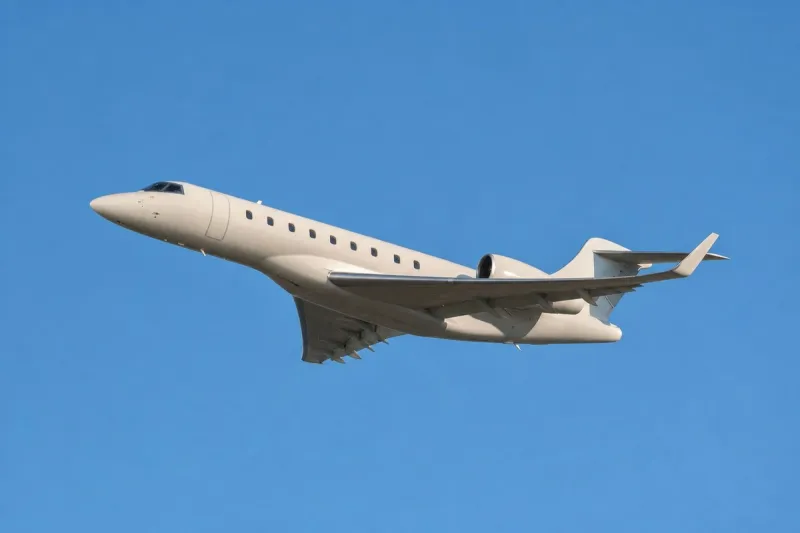
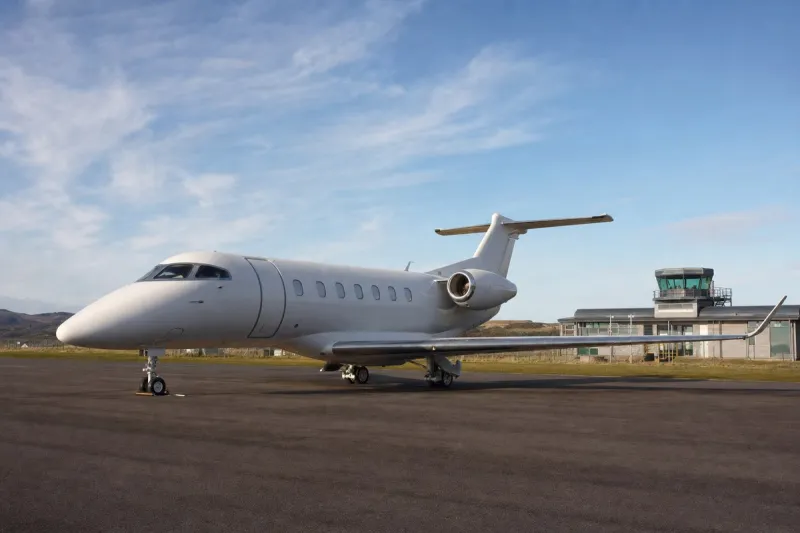
Charter revenue climbed approximately 20% to $103.9 million, driven in part by a $9 million gain from the Challenger fleet, now comprising 10 aircraft, and 36% growth in light jets. Fractional share sales and flight-fund deployments rose 34% to $14.6 million, while jet club sales gained 13% to $30.0 million across 997 revenue-contributing members. After the quarter closed, a transaction involving Jet.AI brought in approximately $12 million in additional liquidity along with three light jets.
CFO Brad Garner said, "This is a platform story now, not a turnaround story. The hard work of proving the model is behind us." Founder and CEO Jim Segrave said, "The operating model has been rebuilt, and investors should no longer view FlyExclusive as a company in transition."
Industry impact & what to watch
This case fits how private aviation providers are increasingly judged after years of fleet growth: flight hours and utilization gains delivered on a smaller aircraft count, rather than sheer fleet size, are what moved revenue and adjusted EBITDA. Charter revenue, fractional sales, and jet club membership each grew independently, showing a multi-line model where gains in one segment, such as the 36% light-jet growth, can offset a shrinking fleet elsewhere.
The segment's economics depend on converting flight-fund and fractional commitments into recurring utilization, and on managing debt load alongside growth; the roughly $94 million reduction in long-term notes payable since 2024 signals that balance-sheet repair is running in parallel with the operational turnaround. The post-quarter Jet.AI transaction, adding about $12 million in liquidity and three light jets, extends that fleet and cash position into the next reporting period.
What comes into view next is whether the third consecutive quarter of positive adjusted EBITDA holds as a trend once the Jet.AI aircraft are integrated and utilization is tested against a larger fleet base.