Greenville-Spartanburg International Airport begins $27.7 million runway repaving project
Why It MattersThe project shows how airports use scheduled runway closures not just for pavement work but as rare windows to compress terminal upgrades and emergency-response training into a single downtime period.
What happened
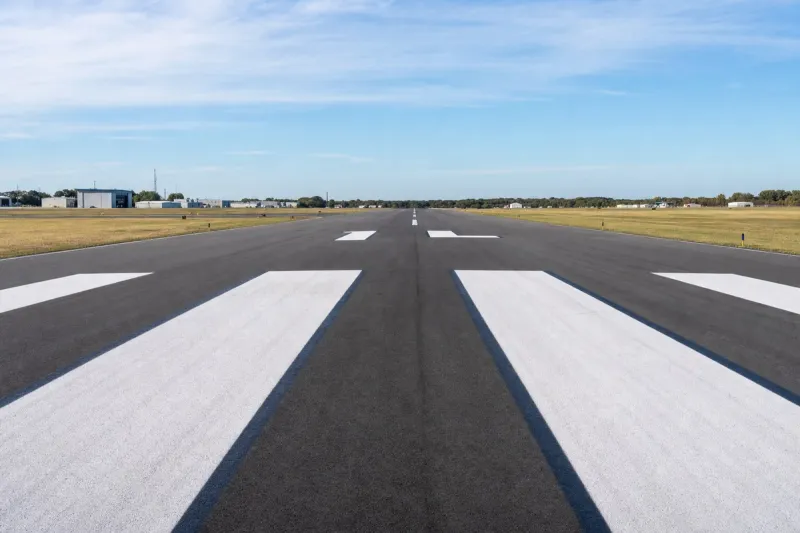
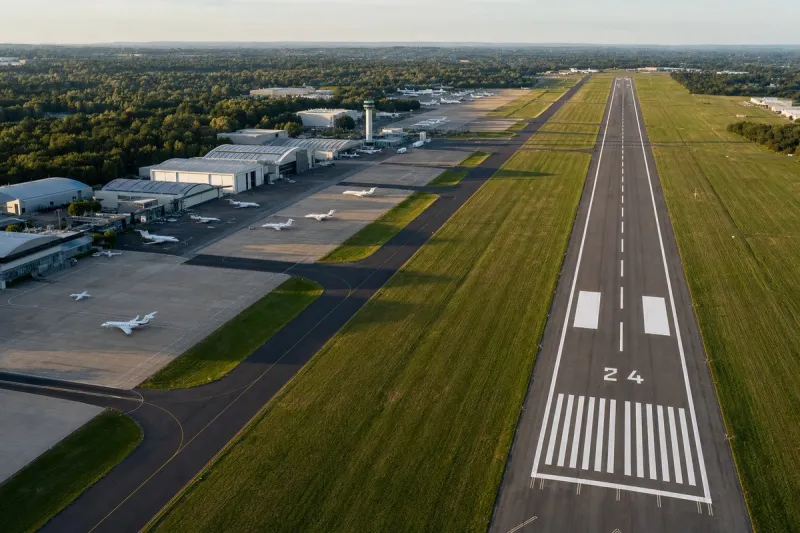
Greenville-Spartanburg International Airport (GSP) has launched a $27.7 million runway rehabilitation and repaving project intended to preserve and extend the life of the airport's runway infrastructure, airport officials confirmed. GSP Airport Communications Manager Tiffany Cherry said the runway was last repaved approximately 17 years ago, while the runway shoulders have not been resurfaced in nearly 30 years. "Typically, runways will have about a 15- to 20-year lifeline, and so we're right in the middle of that period," Cherry said. "We're certainly still in the safe area, but we want to make sure that we're preserving the life of the runway for many years to come."
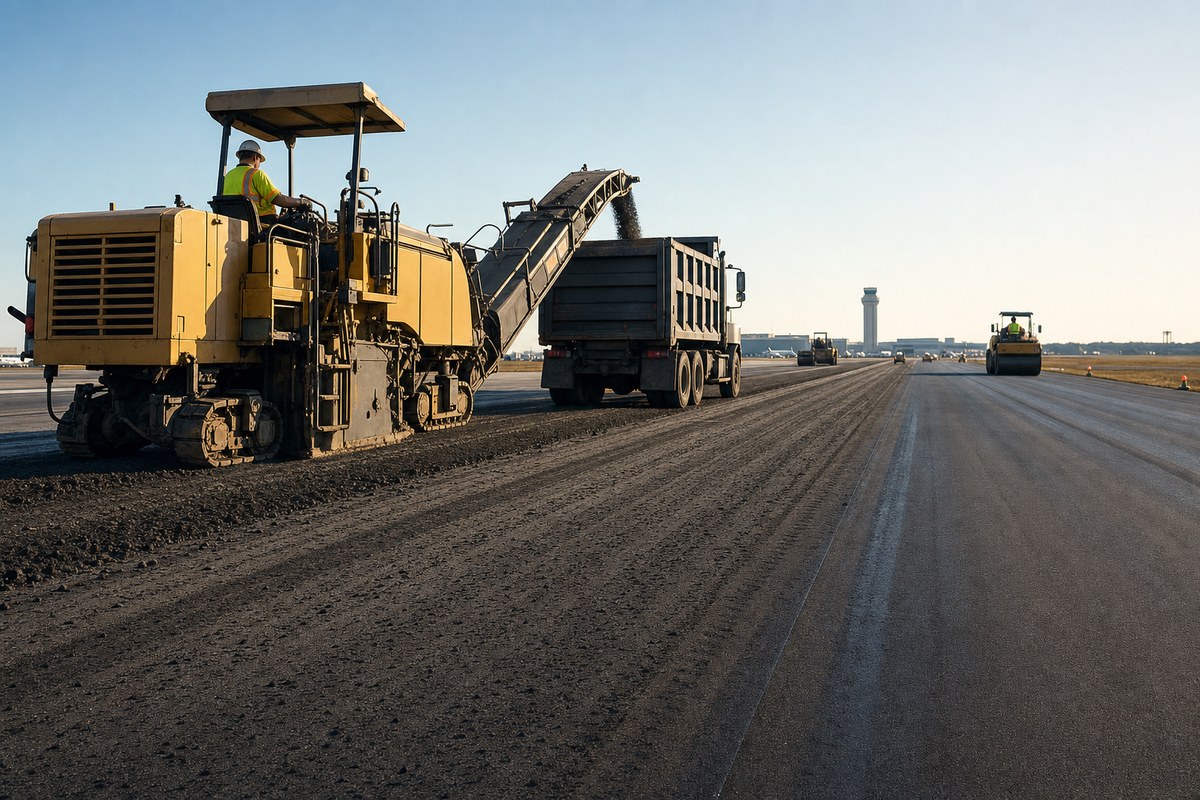
The project, more than a year in development, involves milling and paving roughly 6,500 feet of runway surface and 11,000 feet of shoulder area. The operation requires coordination between two asphalt plants supplying approximately 30 dump truck loads of asphalt per hour. The runway will be closed for two separate 60-hour periods to allow crews to complete the work.
The majority of the $27.7 million budget is funded through federal appropriations, with no local tax dollars contributed by the airport district. While the airport is closed, staff and regional emergency agencies are using the downtime to carry out terminal work, including deep cleaning of concession dining areas and restrooms, carpet replacement, interior wall repainting, repainting of airfield ramps and curbside roadway markings, and training exercises for Transportation Security Administration agents, airport public safety personnel, and local law enforcement.
Industry impact & what to watch
Runway rehabilitation on this scale sits at the routine end of airport capital planning: pavement has a finite service life, and operators time resurfacing to land within the safe window rather than waiting for distress to force emergency closures. Cherry's framing of the runway sitting in the middle of its 15- to 20-year lifeline is the ordinary logic behind such projects, not a sign of deferred maintenance.
The federal-funding structure matters for how these projects get sequenced across the industry. Airports that can draw on federal appropriations for major pavement work avoid tapping local tax dollars, which shapes how quickly a district can move once a runway approaches the end of its expected life rather than being constrained by local budget cycles.
The two 60-hour closures are also the operational lever airports use to bundle otherwise disruptive work: concession deep cleaning, carpet replacement, repainting, and TSA and public-safety training all get compressed into windows already carved out for the runway itself, minimizing the number of times normal operations are interrupted. How GSP manages diverted traffic during each closure window, and whether the two-plant asphalt supply chain keeps pace with the paving schedule, will determine whether the project stays within its planned scope.