NBAA 2026 Compensation Survey Finds Business Aviation Salaries Rising by Nearly 7%
Why It MattersPersistent competition for qualified flight department staff is pushing compensation higher across business aviation, reinforcing pay data as a planning tool for staffing decisions.
What happened
The National Business Aviation Association has released its 2026 Compensation Survey, finding that business aviation salaries are rising by as much as nearly 7%. The survey covers professionals who manage, fly, repair, and schedule business aircraft, all of whom are among those seeing compensation increases as the sector grows and competition for qualified employees remains strong.
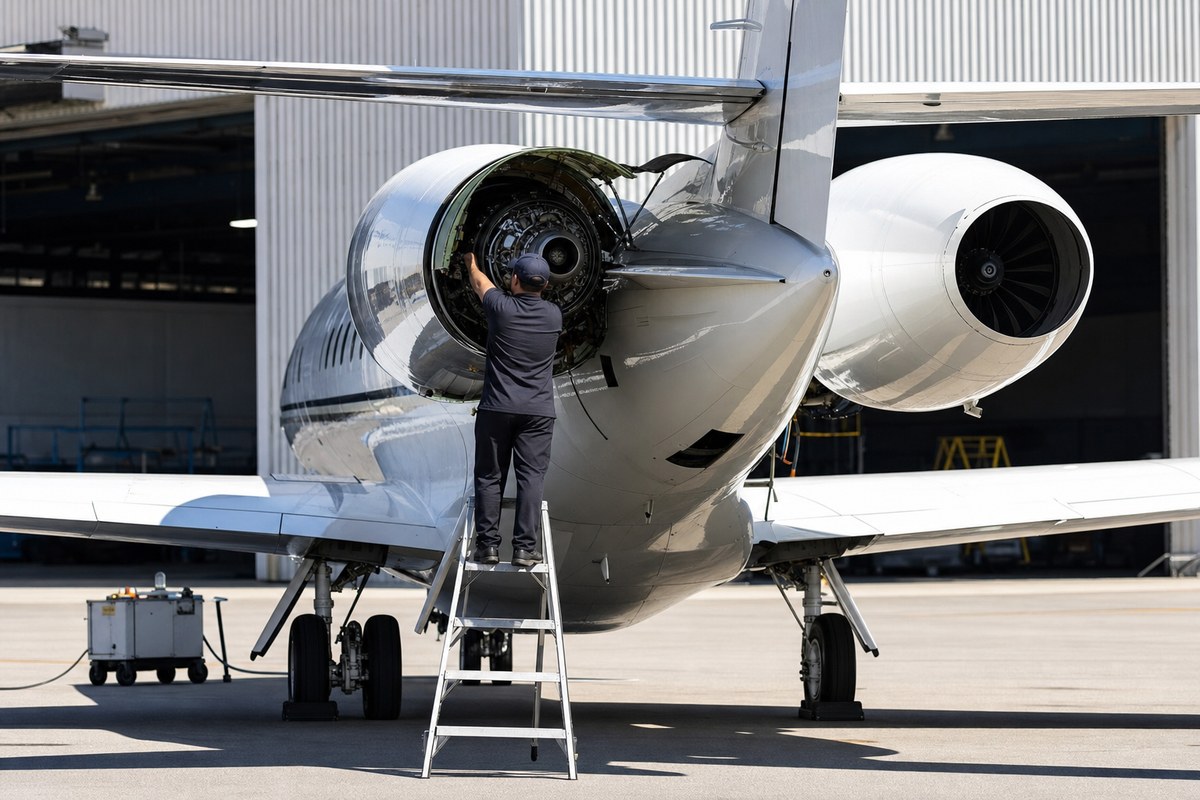
Now in its 40th year, the survey was administered and audited by BDO USA. It drew responses from 352 NBAA members providing data on 4,090 flight department employees. It covers cash compensation — including base salary, overtime, and annual incentives — merit increases, long-term incentives and eligibility requirements, and recorded flight and duty hours as well as weekend and remain-overnight days.
The survey is intended to give flight departments a comprehensive overview of salaries, benefits, department makeup, and related policies to support staffing and planning decisions. It is available free of charge to participants and costs $1,000 for non-participants. Jo Damato, Senior Vice President of Events and Professional Engagement at NBAA, said the results show the business aviation industry keeps growing, which helps it attract and keep top talent, and that NBAA is committed to providing reliable, audited data on salaries and benefits to help members make informed decisions.
Industry impact & what to watch
Compensation surveys like this one function as a coordination mechanism for an industry that otherwise negotiates pay department by department. When hundreds of members pool audited figures on base salary, overtime, incentives and duty hours, individual flight departments gain a benchmark they could not produce on their own, which matters most in a labor market where qualified pilots, technicians and schedulers are scarce relative to demand.
The pricing structure itself signals how NBAA wants the data used: free to the members who contributed it, $1,000 for outsiders, which rewards participation and keeps the dataset's coverage broad enough to stay credible year over year. A survey now in its 40th edition also gives flight departments a longer run of comparable data than most compensation benchmarks in adjacent industries can offer.
What happens next depends on how individual flight departments translate an aggregate nearly-7% figure into their own budgets, since the survey itself does not break out how the increase varies by role, region or aircraft type. The next test will be whether next year's edition shows the same pace of growth or a cooling as staffing pressure eases.