Pakistan's Private Charter Market: Demand Growing but Infrastructure Gaps and High Taxes Constrain Sector
Why It MattersCharter is filling a connectivity gap left by scheduled airlines and thin regional infrastructure, a role that persists only as long as feeder networks and hub facilities remain underbuilt.
What happened
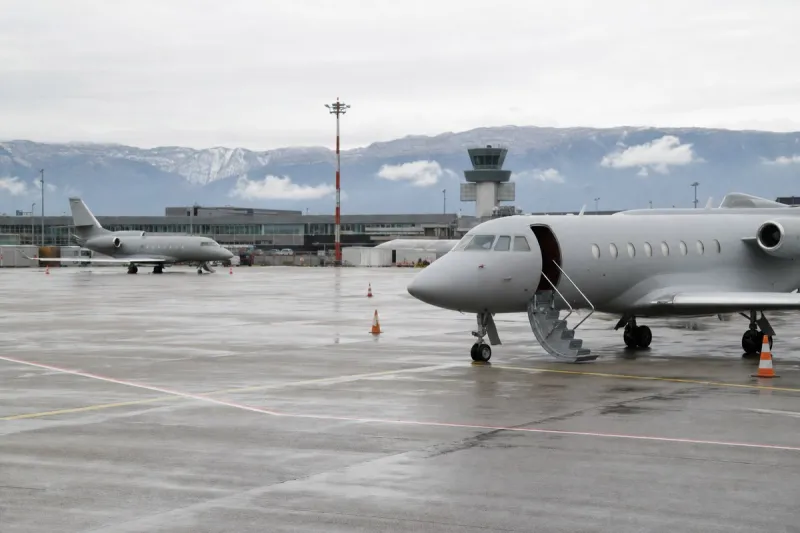
Pakistan's private and business aviation charter market is smaller than Gulf peers such as the UAE and Saudi Arabia, but demand is growing, driven by corporate travel, government and VIP movement, medical evacuation, and connectivity gaps scheduled airlines do not cover. The sector includes a limited number of established operators, most flying midsize business jets, with the Bombardier Challenger 605 appearing repeatedly in operator fleets, alongside a longer tail of smaller charter and flight-support companies. The Pakistan Civil Aviation Authority (PCAA) regulates the sector, applying the same safety and operational compliance standards used for scheduled carriers.

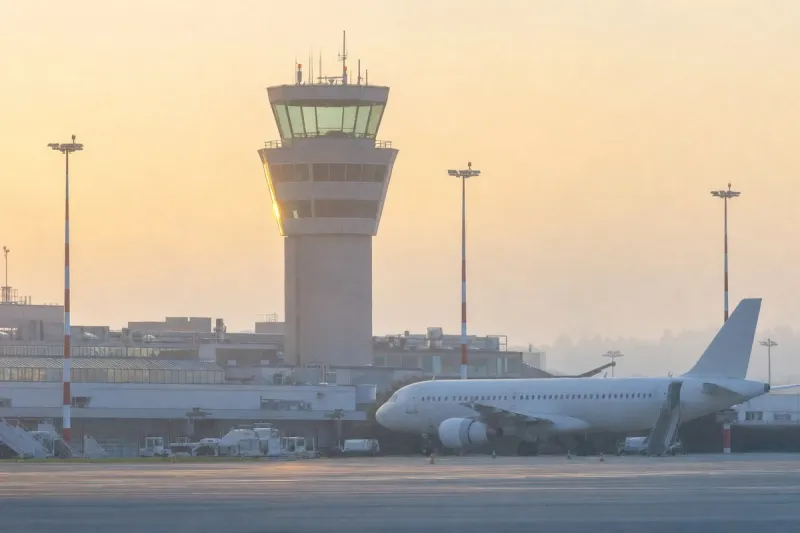
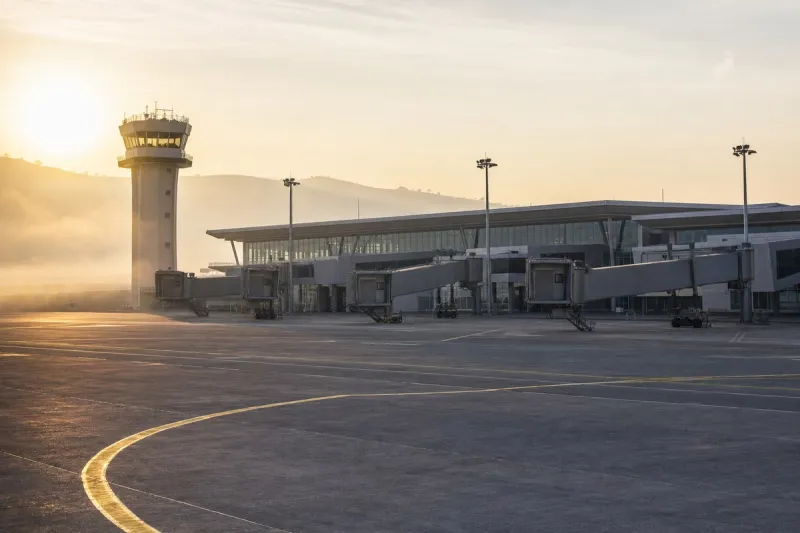
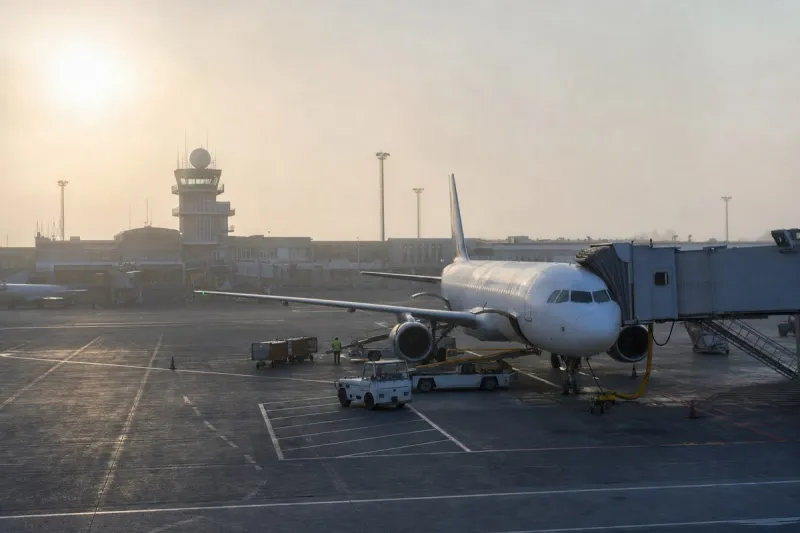
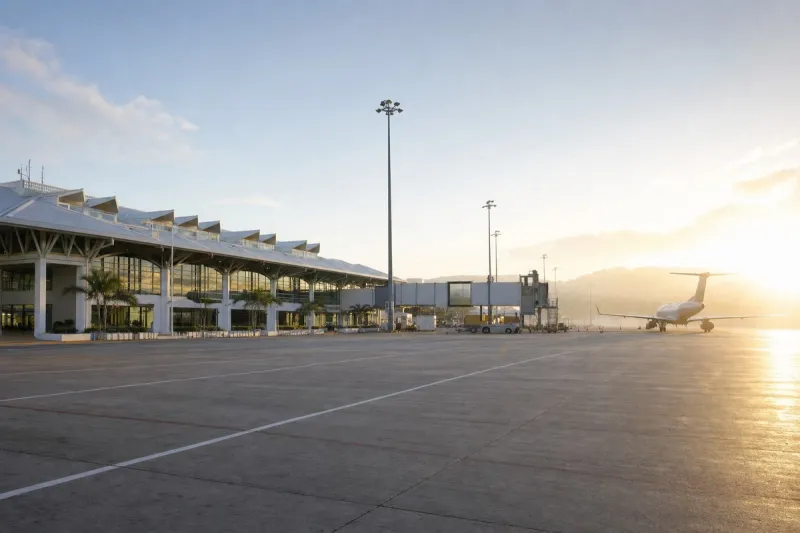
Full-service ground handling, dedicated FBO facilities, and maintenance support are concentrated at Islamabad, Lahore, and Karachi, with thinner provision at smaller regional airports. Pakistan's National Aviation Policy, revised in 2015 and again in 2019, exempts customs duties on leased aircraft, engines, and related parts, making wet and dry leasing more practical than outright aircraft ownership for expanding charter capacity. Industry commentary ahead of 2026 flagged high taxation on premium and business-class travel as a drag on aviation competitiveness, affecting private aviation operators as well.
In the wider sector, Pakistan International Airlines' privatization closed in early 2026, with a consortium acquiring 75% control and announcing a fleet-doubling plan through 2029. New domestic carriers are launching, international routes including London are being reinstated, and new turboprop feeder services are being introduced to connect smaller cities to major hubs.
Industry impact & what to watch
This is a case of charter operating as a stopgap for infrastructure that has not yet caught up with demand: where scheduled networks and regional airports lack ground handling, FBO capacity, or feeder connections, private aviation absorbs the time-sensitive and VIP traffic that would otherwise have no route at all. That role is structurally tied to geography — concentration of full-service facilities in three cities means charter's addressable market is really the routes those three hubs cannot yet serve on schedule.
The leasing exemption under the National Aviation Policy shapes how operators grow capacity, favoring wet and dry leases over ownership, which keeps entry costs lower but also ties fleet growth to lease terms rather than balance-sheet investment. Meanwhile, broader tax treatment of premium travel affects the economics operators depend on to price charter competitively against a scheduled alternative.
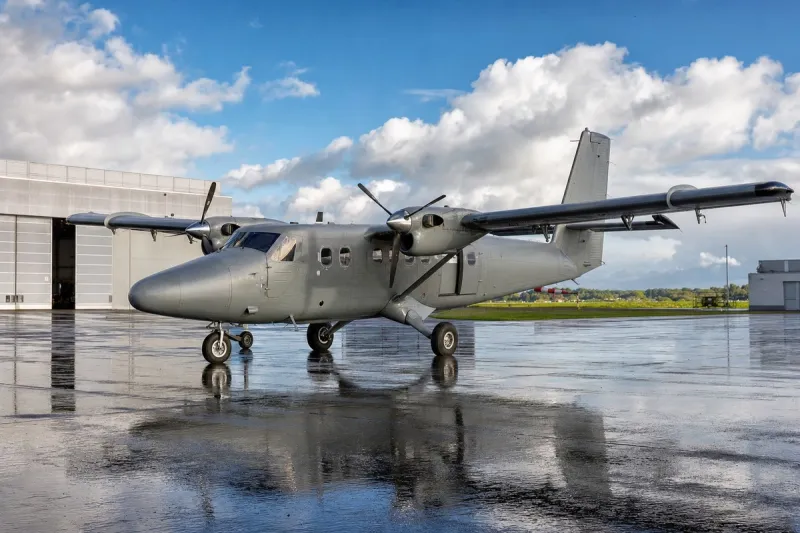
The PIA privatization, new domestic carriers, reinstated international routes, and turboprop feeder launches are the developments to track: each expands the scheduled network's reach into markets charter currently serves alone. Whether charter demand contracts or simply shifts toward higher-end, time-critical segments will depend on how quickly that feeder build-out matures and whether regional airports gain the ground infrastructure the three major hubs already have.