Mexico Proposes 10% Airspace Fee Hike for 2027, Targeting Airlines Operating in National Airspace
Why It MattersThe proposal shows how airspace-fee increases tied to navigation infrastructure funding can shift costs onto airlines and ultimately passengers, especially when tied to budget cuts at the servicing agency.
What happened
The Mexican federal government has proposed a 10% increase in air navigation fees charged to airlines operating within national airspace, as part of its 2027 Economic Package. The executive branch argued the adjustment is necessary to keep pace with growing commercial, cargo, and general aviation flight volumes, as well as the ongoing reconfiguration of the national airport system, which has required route redesigns and expansion of the air traffic controller workforce.
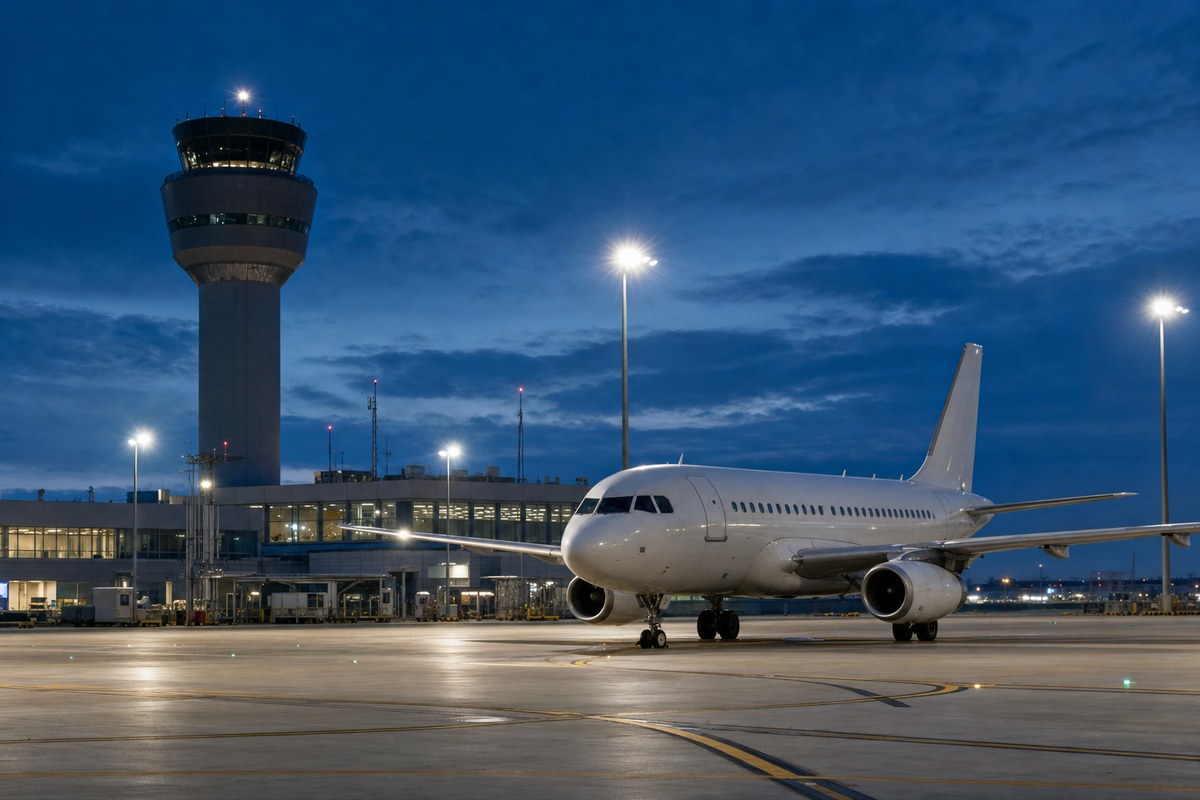
Under the proposed rate schedule, fees would rise across two core metrics: distance flown and aircraft wingspan. For the distance-based metric, large aircraft would be charged MX$14.14 (US$0.82) per kilometer flown; medium aircraft MX$9.46 (US$0.55); small Type B aircraft MX$3.27 (US$0.19); and small Type A aircraft MX$0.42 (US$0.024) per kilometer. For the wingspan-based metric, proposed fees are MX$32,560 (US$1,887.71) for large aircraft, MX$21,725 (US$1,259.54) for medium aircraft, and MX$7,488 (US$434.13) for small Type B aircraft.
Federal authorities stated that airspace fees have gone without substantial updates for an extended period, resulting in a progressive decline in financing capacity for infrastructure including radar networks, communication systems, and radio navigation aids. Mexican Air Navigation Services (Seneam), the agency responsible for these operations, currently manages more than 5.5 million square meters of airspace and oversees over one million flight operations annually.
Aviation sector specialist Juan Antonio José criticized the proposal, saying it is driven purely by revenue collection goals rather than operational necessity. "Civil aviation is not a priority for this government. It is a contradiction that on one hand they want to raise tax collection, and on the other, they cut more than 70% of the budget for the agency that provides the services (Seneam)," José said.
Industry impact & what to watch
Fee increases tied to national budget packages are a recurring feature of how air navigation services get funded in markets where the servicing agency depends on general government appropriations rather than dedicated user fees. When that funding line is squeezed, as José pointed out with the more than 70% budget cut to Seneam, authorities often turn to raising the per-flight charges paid by airlines rather than restoring direct funding, and airlines in turn tend to pass those costs into ticket pricing.
Distance and wingspan-based fee structures put the largest cost burden on wide-body and long-haul operators, since both metrics scale with aircraft size and route length. That means the increase will weigh disproportionately on carriers running large aircraft over longer domestic and international routes within Mexican airspace, compared with operators of small Type A aircraft on shorter routes.
What remains to be seen is whether the 2027 Economic Package passes with this fee schedule intact, and whether the additional revenue is directed toward the radar, communication, and radio navigation infrastructure investments the government cited as justification. Confirmation of Seneam's actual budget allocation once the package is finalized would be the clearest signal of whether the increase funds service improvements or simply offsets the agency's own funding cuts.