Surf Air Mobility wins $19.4M Essential Air Service contract to serve Lanaʻi through 2030
Why It MattersEssential Air Service contracts give small regional carriers a stable, subsidised revenue base that can double as a testbed for new technology platforms and future aircraft types before wider commercial rollout.
What happened
Surf Air Mobility (NYSE: SRFM) announced that its subsidiary Mokulele Airlines has secured a four-year Essential Air Service contract from the U.S. Department of Transportation valued at $19.4 million to continue serving Lanaʻi, Hawaiʻi. The contract provides subsidised revenue through August 2030 and doubles the duration of Mokulele's previous agreement. The $19.4 million figure represents EAS subsidies only and excludes additional passenger fare revenue.
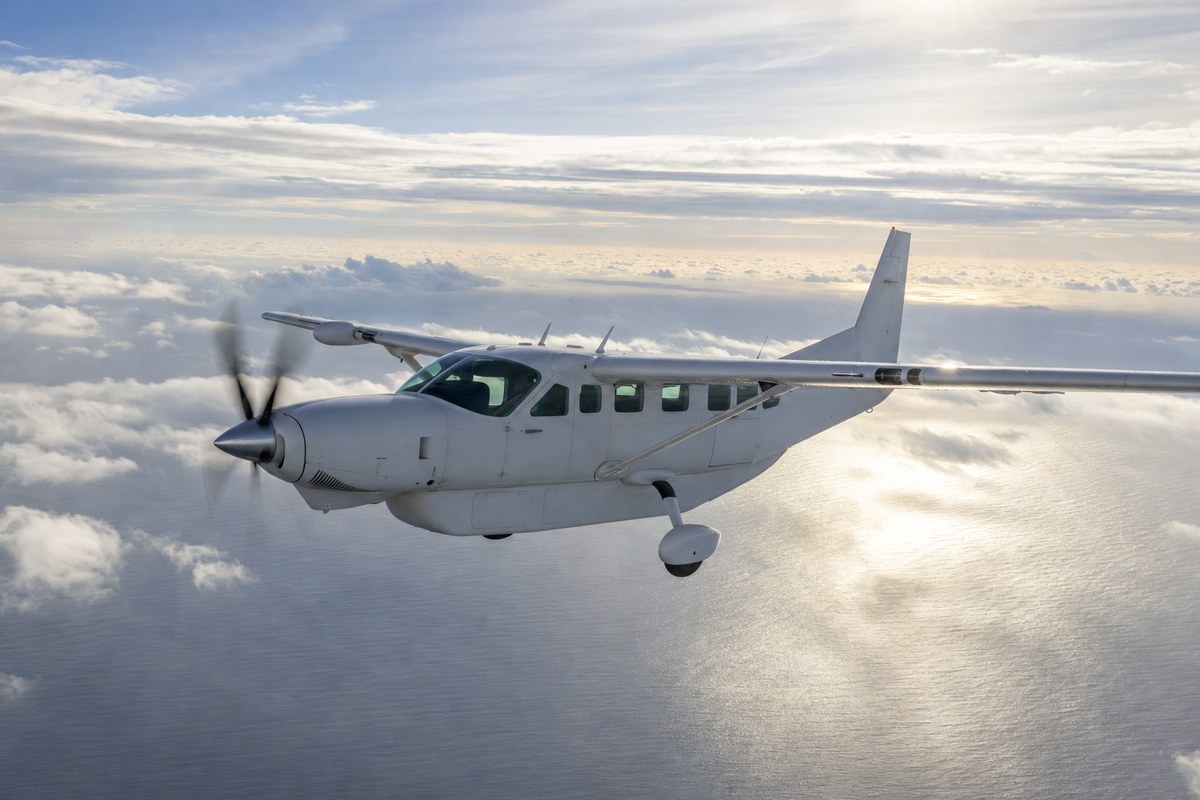
Under the terms of the contract, Mokulele will operate 63 weekly round trips — 126 flights in total — comprising 42 round trips between Lanaʻi and Honolulu and 21 round trips between Lanaʻi and Kahului/Maui.
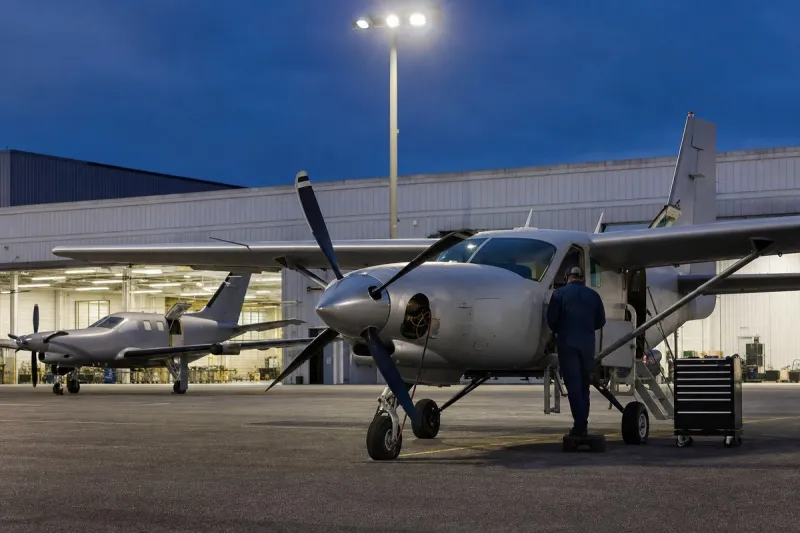
Mokulele currently operates approximately 112 daily departures across five Hawaiian islands. The airline has invested in additional Cessna Caravans, ground infrastructure, passenger lounges, and its SurfOS operations software platform.
Industry impact & what to watch
Essential Air Service contracts exist to guarantee scheduled air links to small or remote communities that would otherwise lose commercial service, and a four-year award of this size gives an operator a predictable revenue floor separate from fare-driven demand. That stability lets a carrier justify longer-horizon investment in fleet, ground infrastructure and software rather than optimizing route-by-route on a year-to-year basis.
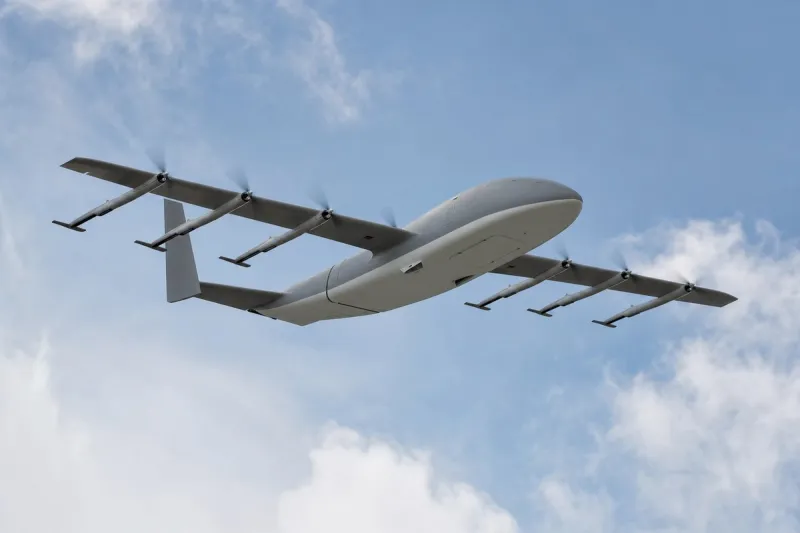
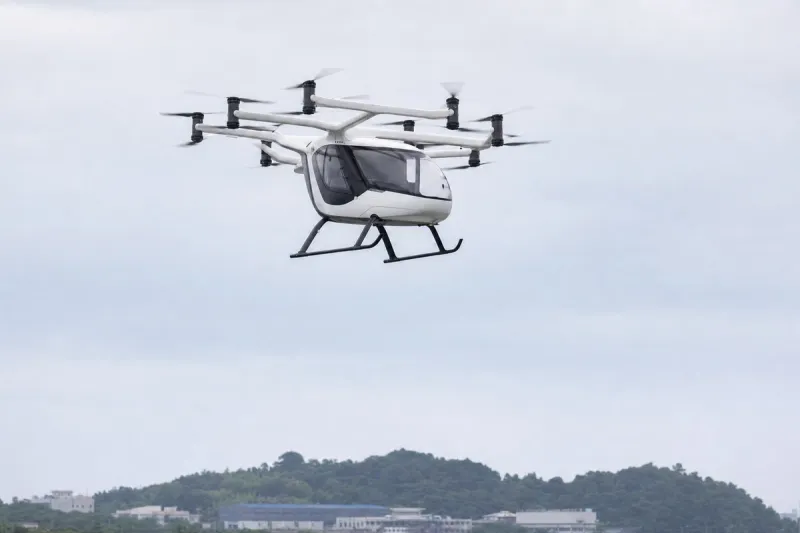
Surf Air's framing of the Hawaiʻi network as a data and infrastructure base for its SurfOS platform points to a second use of an EAS route: it can double as an operating testbed for technology the company wants to sell or deploy elsewhere. The plan to eventually fly BETA Technologies' ALIA electric aircraft commercially, contingent on certification and following a Hawaiʻi demonstration flight programme, keeps that ambition in the expectation column rather than the operational one.
Whether that transition happens on the timeline implied will depend on certification progress for the ALIA aircraft and how the demonstration flight programme in Hawaiʻi performs.