CommuteAir Receives U.S. DOT Approval to Operate International Charter Flights, Starting with Bahamas Service in November
Why It MattersThe approval shows how regional carriers can leverage existing charter fleets and federal Open Skies authority to diversify revenue beyond fixed-fee mainline flying without adding aircraft types.
What happened
CommuteAir has received authorization from the U.S. Department of Transportation to operate international charter flights to countries covered by Open Skies agreements. The carrier's first international charter flights will serve the Bahamas using 76-seat Embraer E170 aircraft, with service set to begin in November.
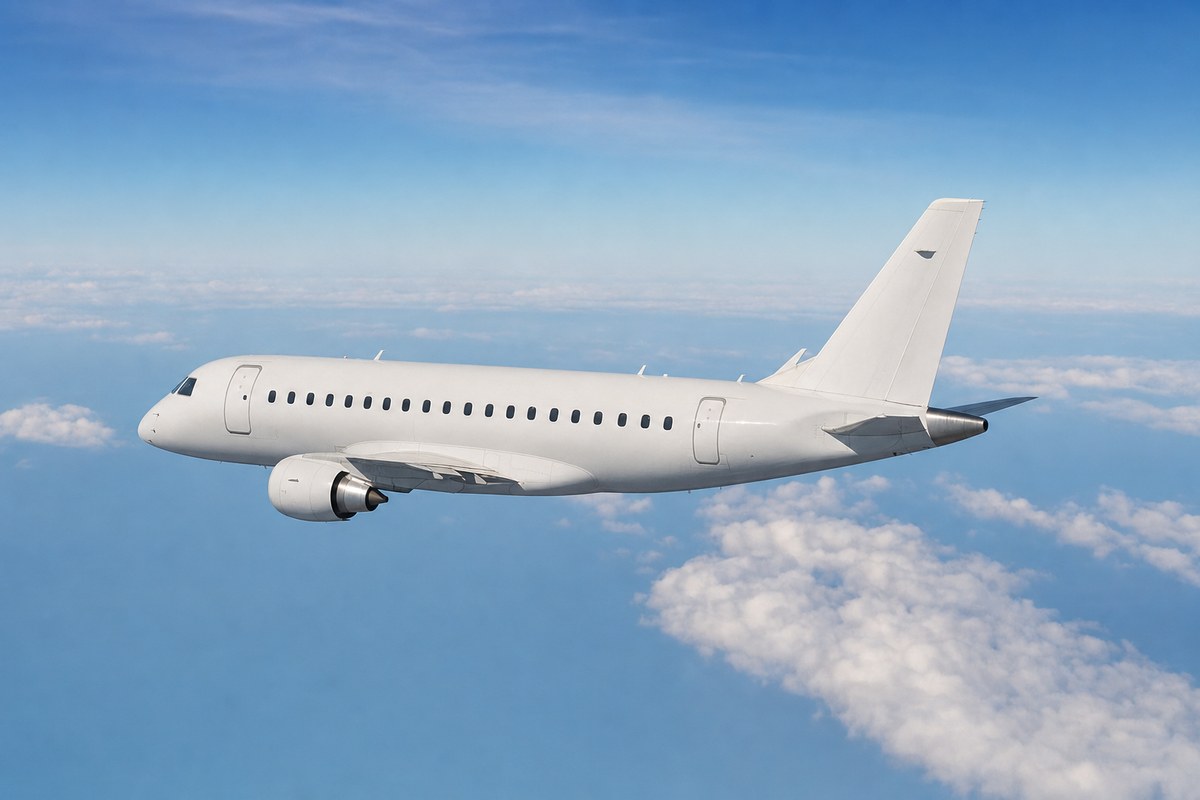
Previously, CommuteAir's charter operations using E170s were limited to domestic U.S. destinations; the new authority extends the airline's charter reach beyond U.S. borders for the first time. CommuteAir President and CEO Rick Hoefling said in a news release, "Receiving Open Skies authority is an important step in the continued growth of our charter business. This authority also supports our long-term strategy to expand and diversify our charter business."
CommuteAir primarily operates commercial passenger flights on behalf of United Airlines as United Express, running over 200 flights per day using ERJ 145 aircraft out of hubs at Washington Dulles and Houston.
Industry impact & what to watch
Regional carriers built around a single mainline feeder contract often look for charter flying as a way to put spare aircraft and crews to work outside the fixed-fee schedule. Open Skies authority is the regulatory gate that lets a U.S. carrier extend that charter business across borders rather than confining it to domestic point-to-point work, so this approval widens what CommuteAir can sell to charter customers without changing its fleet.
The Bahamas route is a natural first market for this kind of authority: short-haul, high-demand leisure flying that suits a 76-seat E170 and sits close to CommuteAir's existing U.S. base. Whether the carrier pursues additional Open Skies markets, and how much of its E170 capacity shifts toward charter versus United Express feeder flying, will depend on demand CommuteAir sees once Bahamas service is running.