Washington Manassas Airport Receives FAA Part 139 Certificate, Eyes Commercial Service by Late 2027
Why It MattersCongested major hubs create room for secondary GA airports to convert into low-cost, point-to-point commercial gateways, but such conversions require years of capital investment and infrastructure buildout before service can start.
What happened
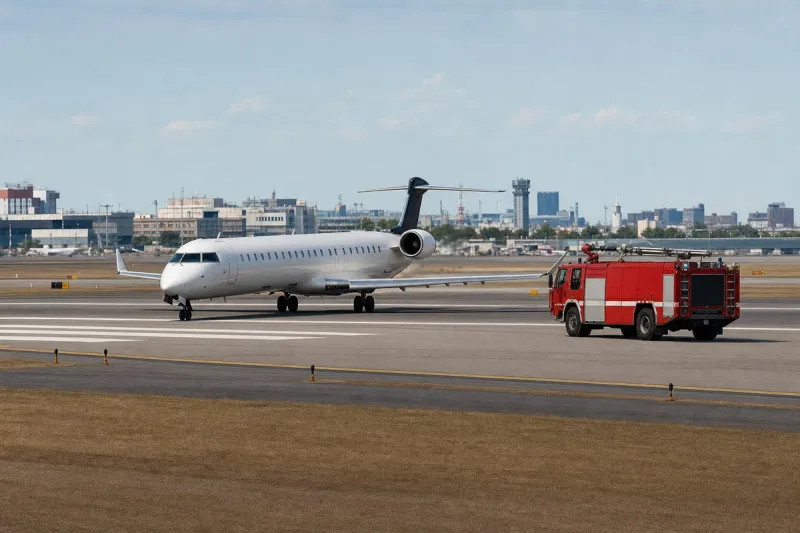
Washington Manassas Airport, renamed this year from Manassas Regional Airport, received its FAA Part 139 Airport Operating Certificate on August 31, clearing the federal requirement needed for scheduled commercial airline service. FAA Associate Administrator Dan Edwards presented the certificate and described the preceding review as one of the most demanding an airport can undergo. Officials called the milestone rare, noting it is the first time in 53 years that an existing general aviation airport has earned Part 139 status, and the first such transition in Virginia in more than half a century.

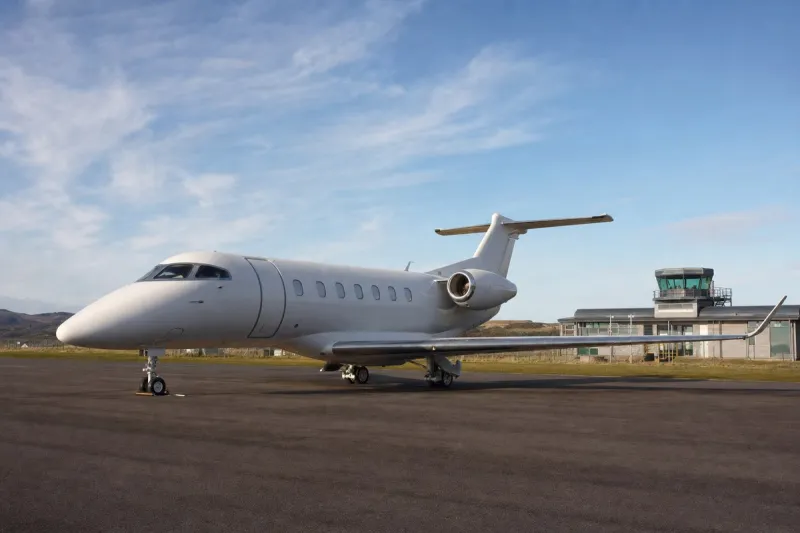
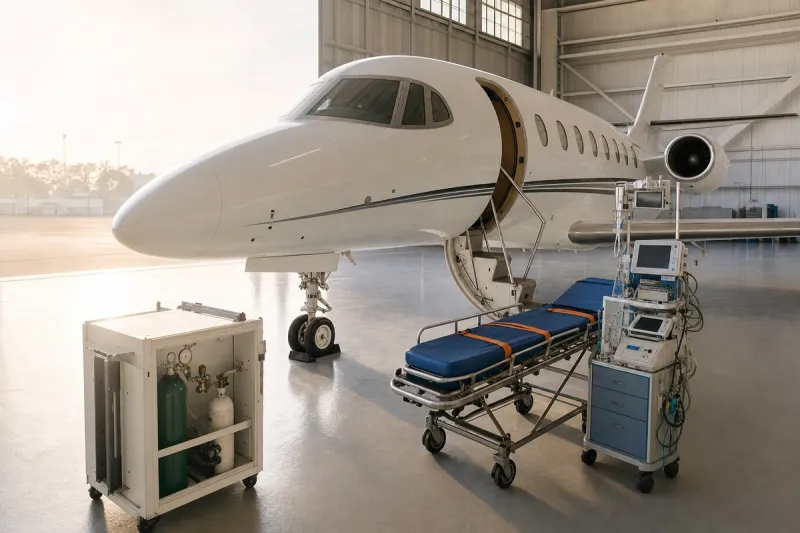
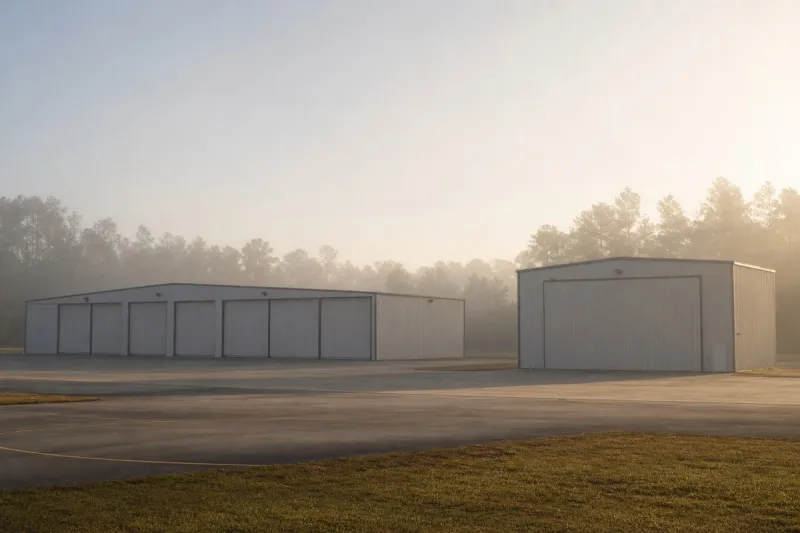
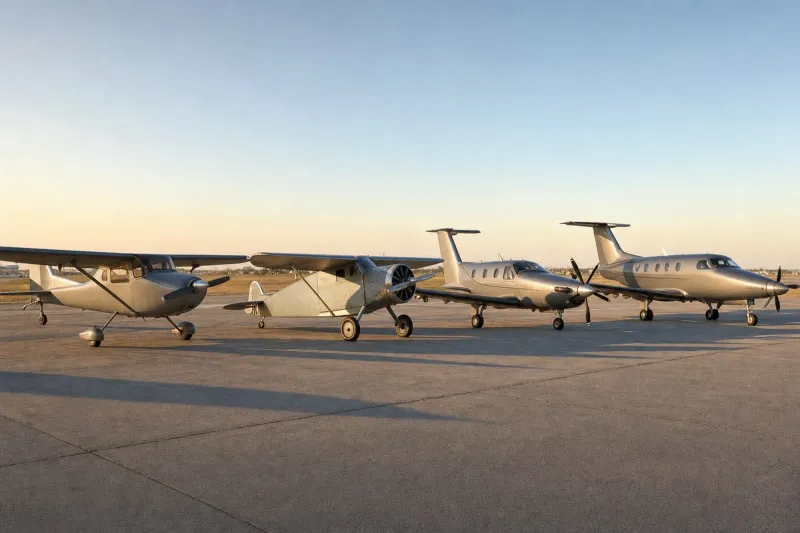
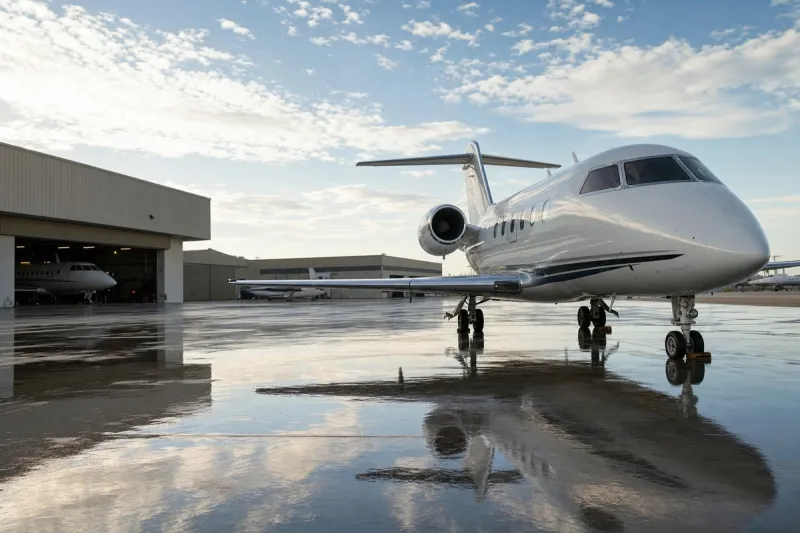
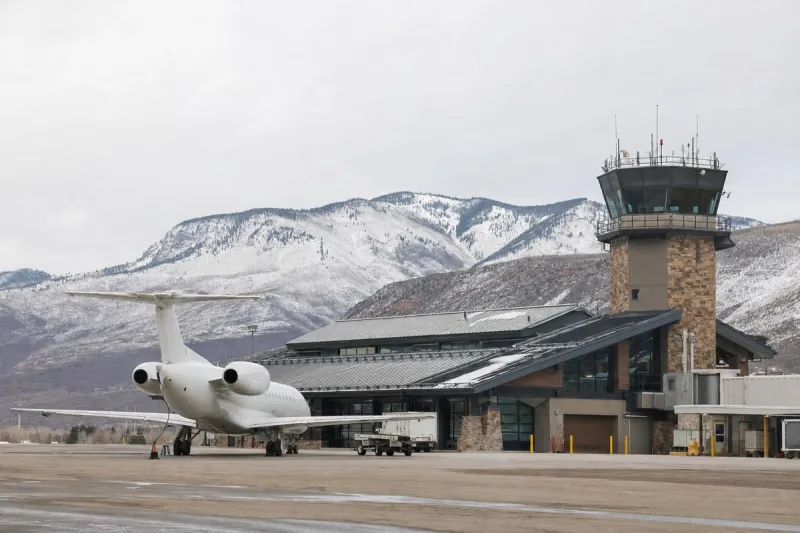
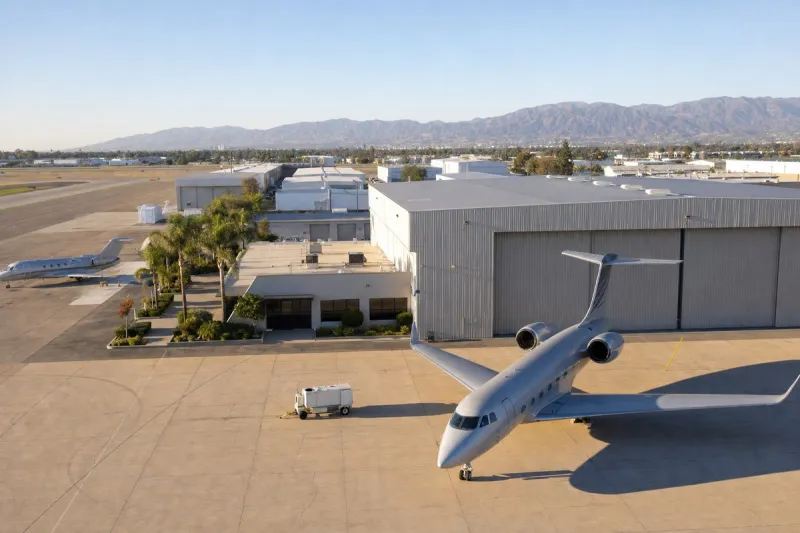
The airport has operated for decades as a general aviation facility with two runways, currently hosting more than 400 based aircraft alongside flight schools, law enforcement, military, and medical-evacuation operators. The City of Manassas and airport operator Avports have invested more than $125 million in the transformation over three years, while the FAA has separately committed more than $46 million to infrastructure upgrades including a runway overhaul and a future control tower.
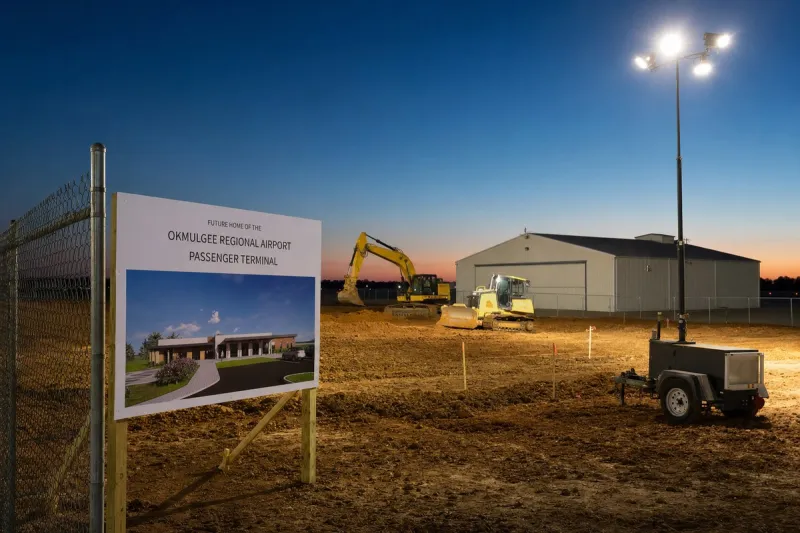
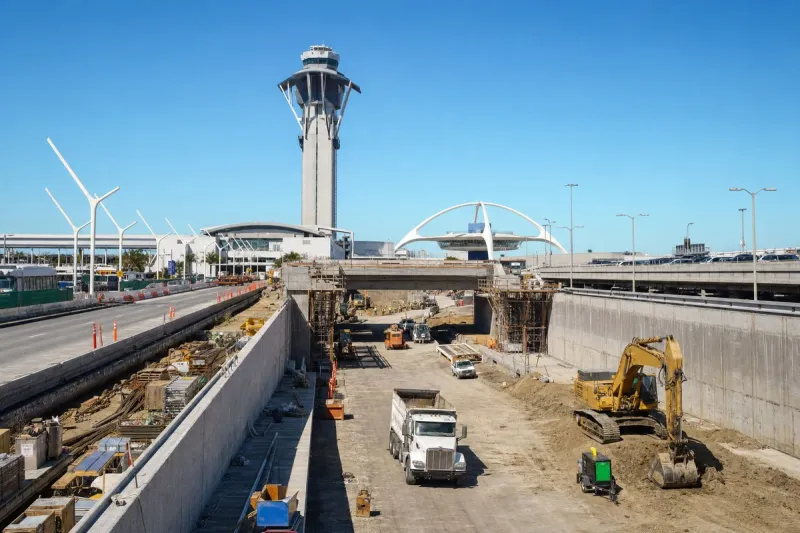
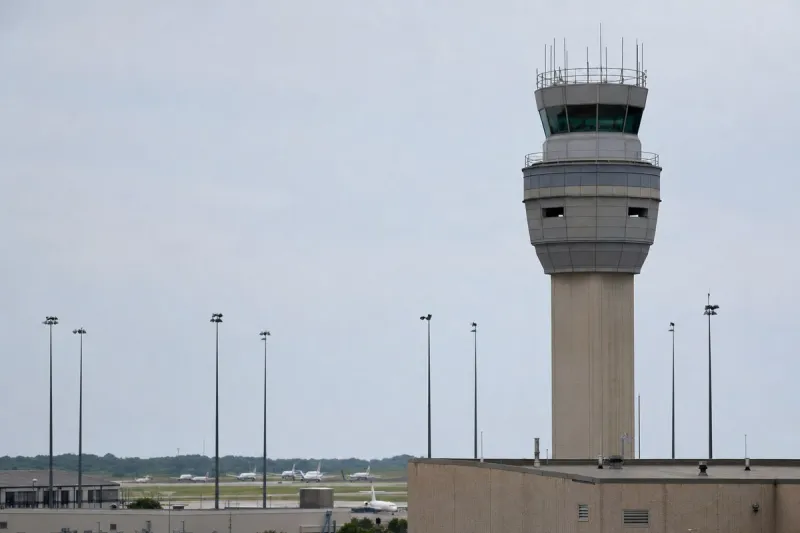
Planned commercial facilities include a 32,000-square-foot terminal with TSA screening, gates, baggage claim, and expanded passenger parking. Construction delays, including work on taxi and runway bridges, pushed the original 2025 opening target back; the terminal is now expected to open in fall 2027, with commercial service to follow shortly thereafter. A new air-traffic-control tower is not projected to be in place until 2029.
Industry impact & what to watch
This case illustrates how a long-established general aviation airport can be repurposed for commercial service when nearby major hubs face capacity limits. Reaching that point required clearing one of the FAA's most demanding certification reviews, plus a multi-year capital commitment split between a local operator and the federal government.
Airport leadership has positioned Manassas not as a competitor to Reagan Washington National, Washington Dulles International, or Baltimore/Washington International, but as a source of cost-effective, point-to-point leisure service absorbing demand those three airports cannot readily handle. That framing reflects how secondary-airport entry typically works in constrained metro markets: growth comes from underserved niches rather than head-to-head competition for the same routes.
The schedule now hinges on the terminal opening in fall 2027 and on which carriers commit to point-to-point leisure routes once it does, with the control tower not expected until 2029 in the meantime.