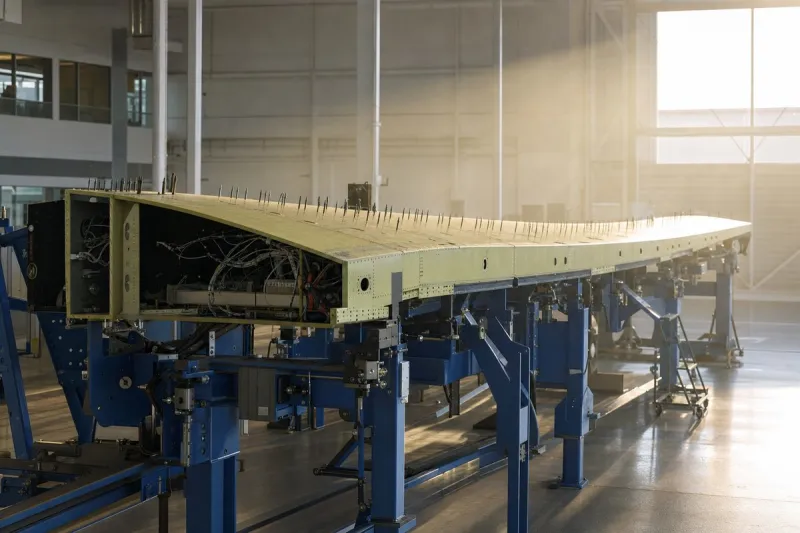
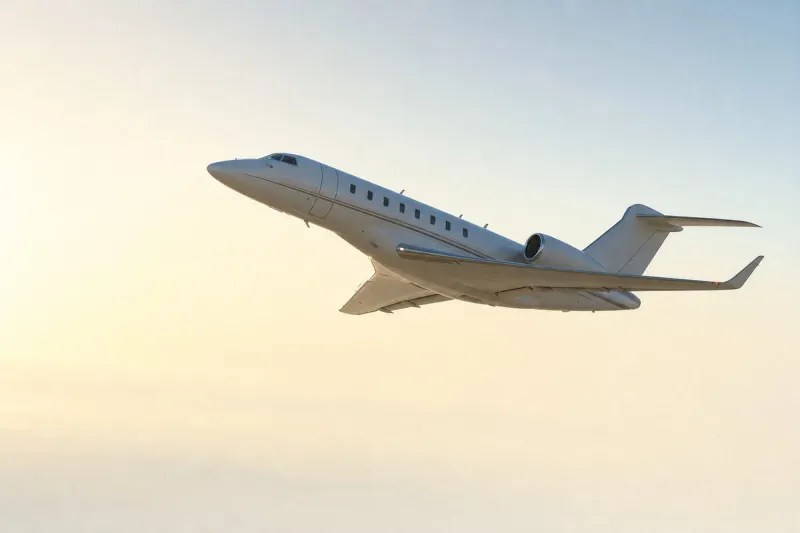
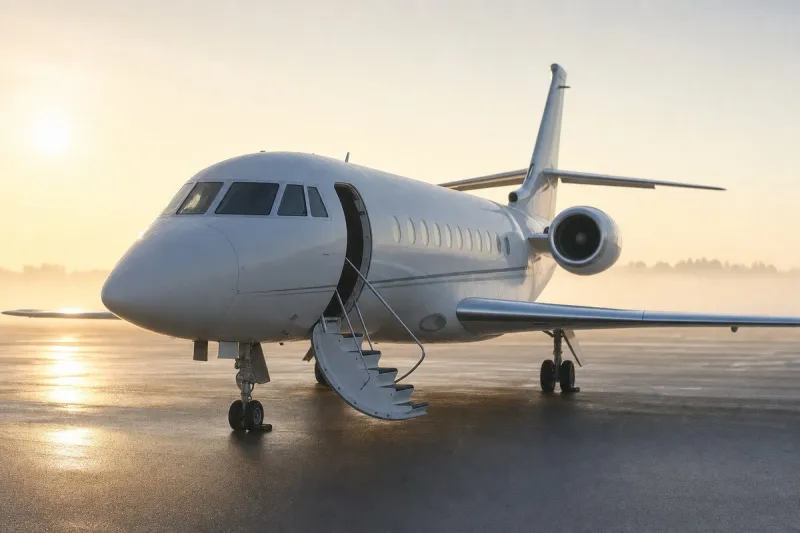
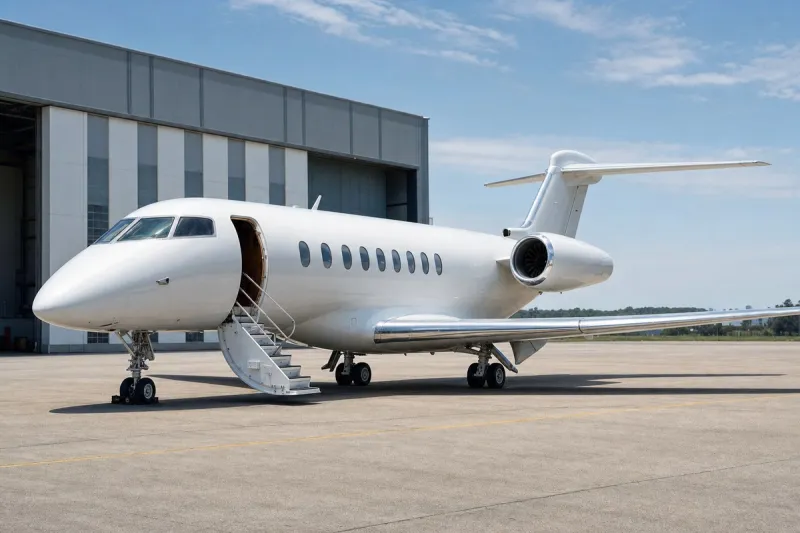
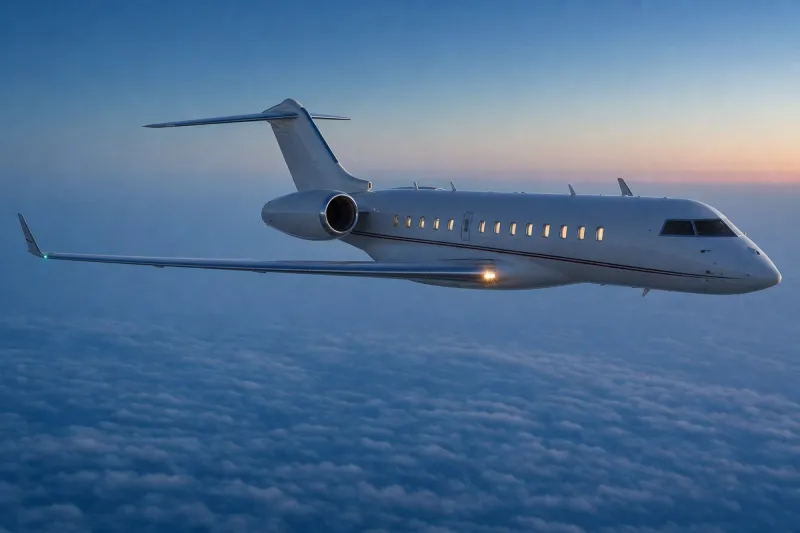
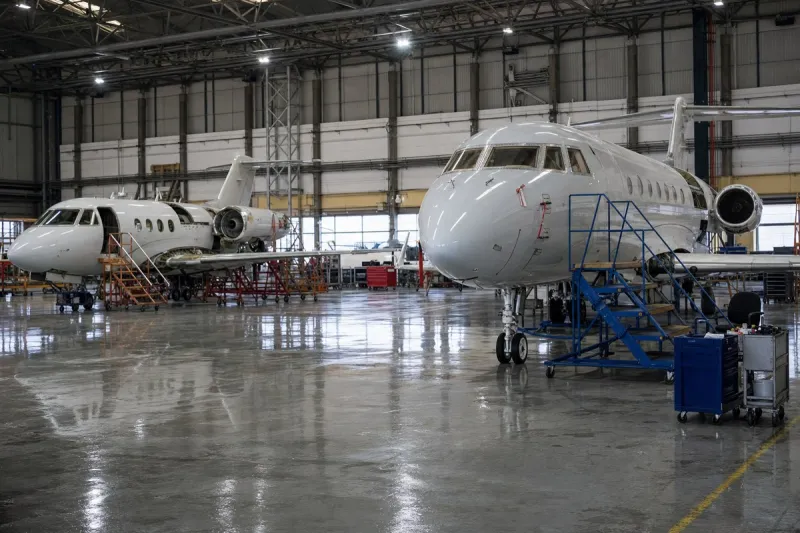
Honda Aircraft Completes First Wing Assembly for HondaJet Echelon Test Unit
Why It MattersLight-jet programs increasingly depend on tier-one supplier timelines rather than internal assembly pace, making letters of intent an early demand signal well ahead of certification.
What happened
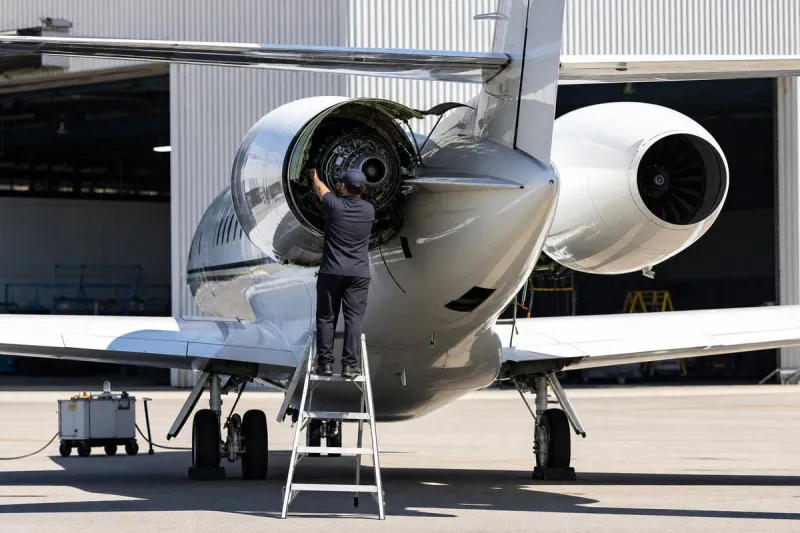
Honda Aircraft Company has completed the first wing structure for the HondaJet Echelon test unit, a milestone the company said advances progress toward final assembly. Honda now targets first flight in 2028 and type certification with first delivery in 2031, timelines the company attributed to tier-one supplier-related schedule adjustments.
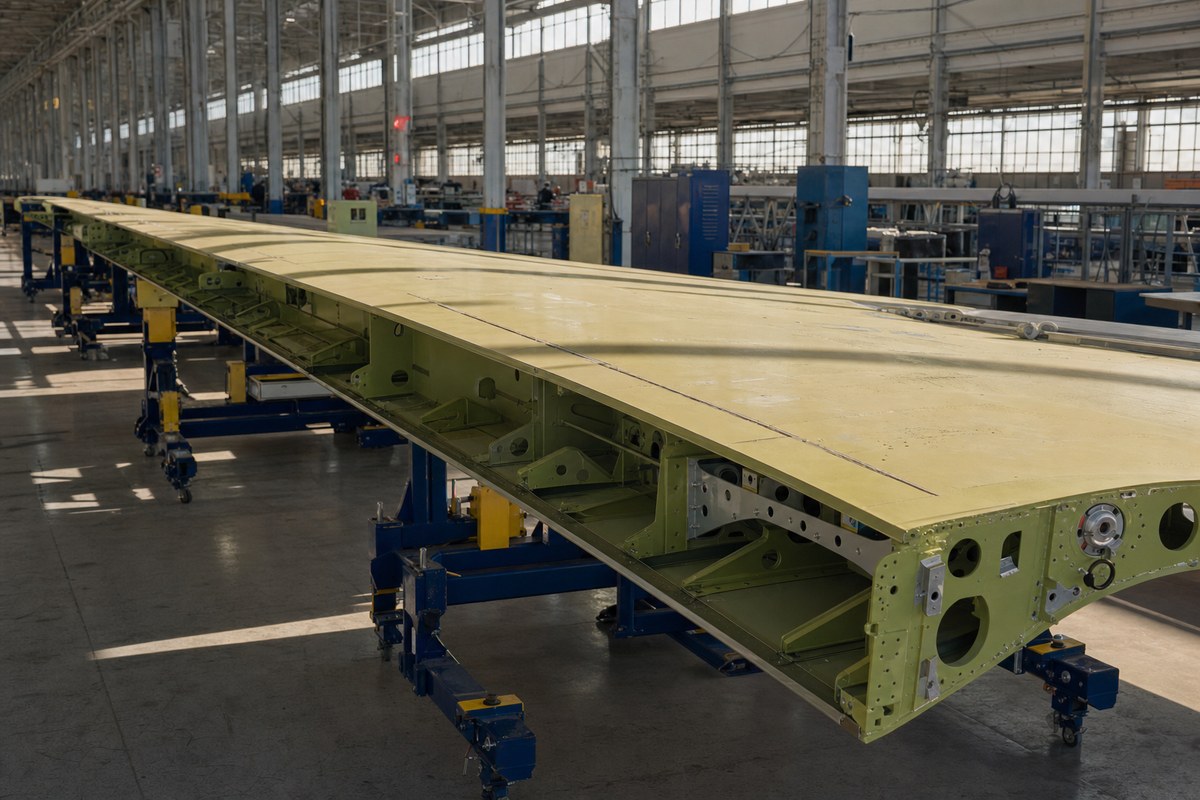
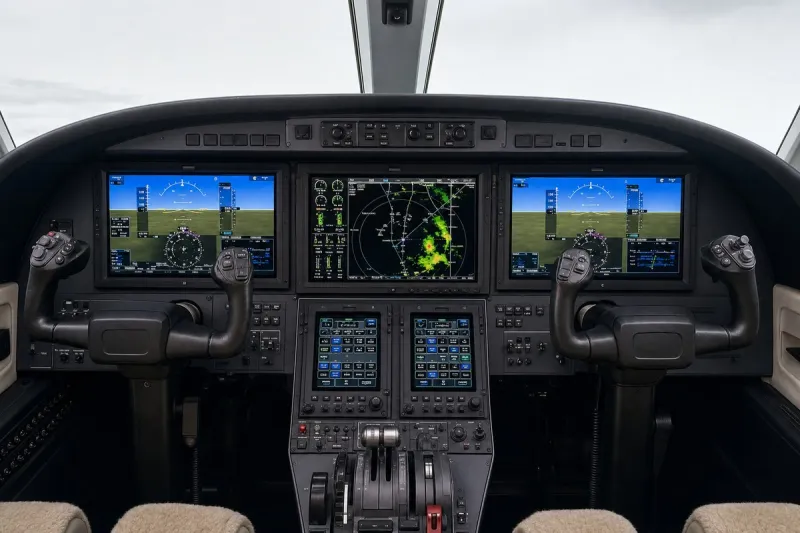
More than 70% of parts required for first assembly are on hand, and more than 88,400 square feet have been provisioned for Echelon manufacturing. Structural testing has advanced with key component tests complete, while system integration continues through Honda Aircraft's Integrated Test Facility, where a fully operational cockpit test environment is active and a second cockpit is being commissioned. Amod Kelkar, Senior Vice President, Chief Commercial Officer and HondaJet Echelon Program Leader at Honda Aircraft Company, said the wing assembly "represents an important achievement as we continue advancing testing, systems integration, and equipment qualification activity across the program," adding that "in spite of some schedule challenges, with steady progress towards the final assembly, we are committed to delivering an aircraft that will redefine light jet performance, efficiency, and capability."
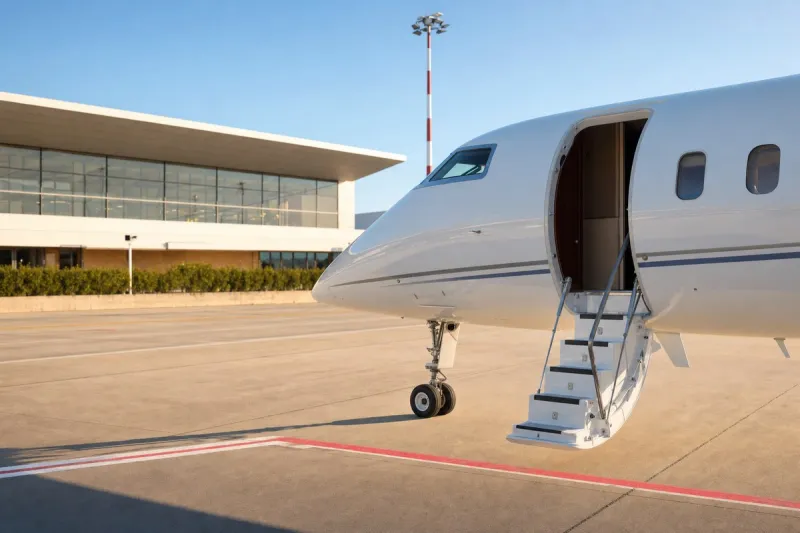
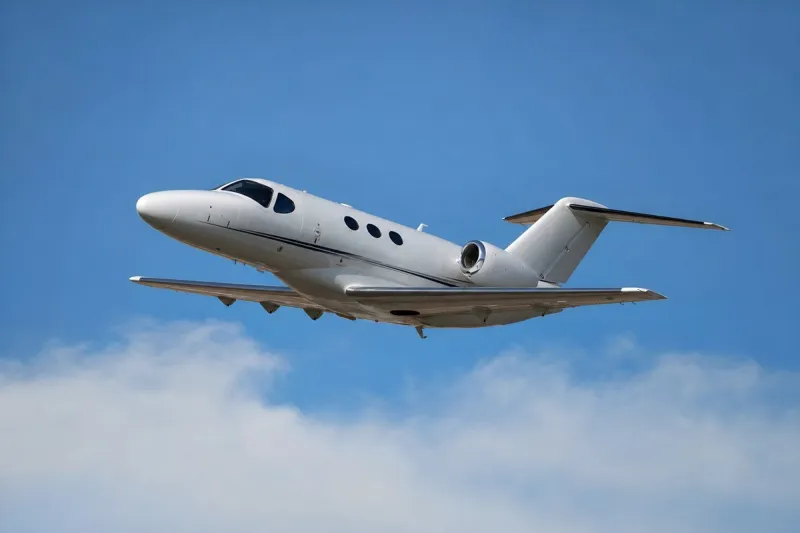
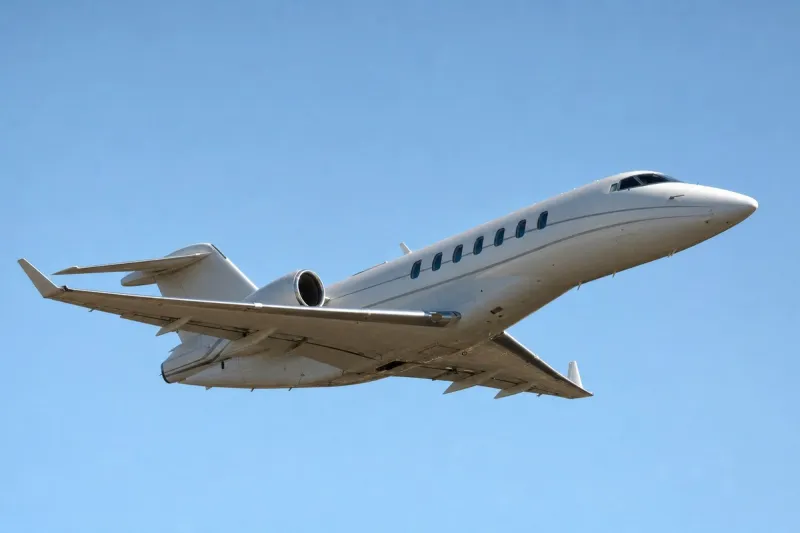
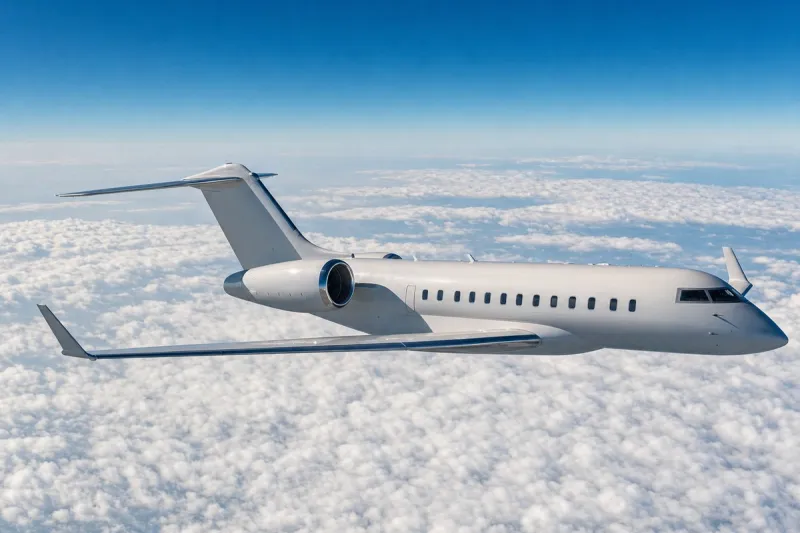
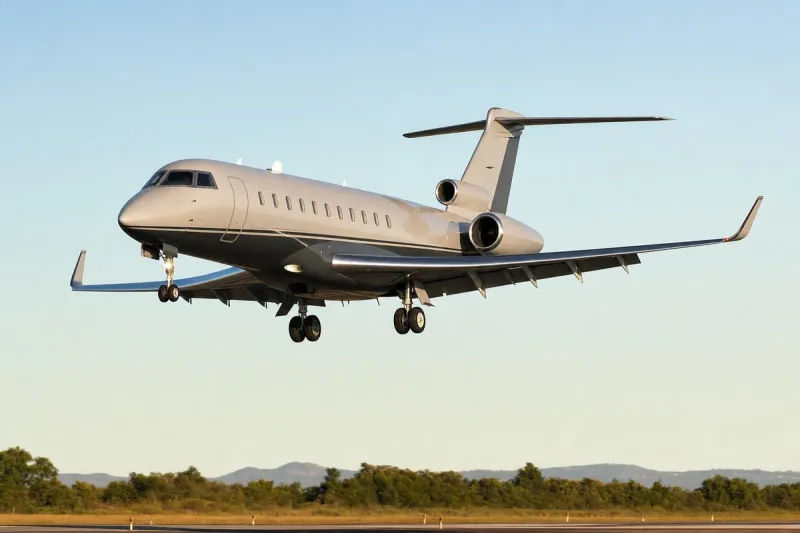
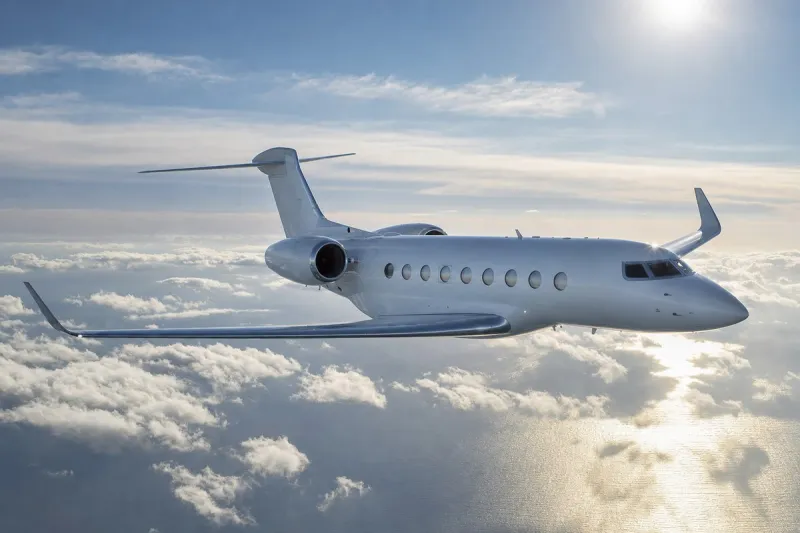
The HondaJet Echelon is designed to accommodate up to 11 occupants and will offer a larger cabin with greater passenger capacity than the current HA-420. It is intended to be the world's first single-pilot certified light jet capable of U.S. transcontinental range. Planned technologies include Honda Aircraft Company's Over the Wing Engine Mount, composite fuselage, and advanced avionics, along with Auto Throttle, Emergency Autoland, Autobrake, Runway Overrun Awareness and Alerting System (ROAAS), and the Advanced Steering Augmentation System (ASAS). More than 530 signed letters of intent have been received for the Echelon, which will be produced at Honda Aircraft's world headquarters in North Carolina alongside the HondaJet Elite II. Global deliveries of the HondaJet surpassed 250 in 2024.
Industry impact & what to watch
A wing-assembly milestone paired with a pushed-out certification date is a familiar pattern in clean-sheet business jet programs, where structural progress and supply-chain timing move on separate tracks. Honda's own explanation — tier-one supplier-related schedule adjustments rather than a design or testing setback — points to component sourcing as the constraint, not the airframe work itself.
In the light-jet segment, letters of intent function as a demand proxy long before certification locks in real backlog; more than 530 signed for the Echelon signal customer interest but carry none of the contractual weight of firm orders, and none of that figure has been tied to actual delivery slots. The gap between parts availability (over 70% on hand for first assembly) and a 2031 first delivery shows how much of the remaining schedule risk sits with suppliers rather than final assembly capacity, which Honda has already provisioned with over 88,400 square feet of manufacturing space.
What happens with the second cockpit now being commissioned at the Integrated Test Facility, and whether further supplier-driven adjustments emerge before the 2028 first-flight target, will be the clearest signals of whether the revised timeline holds.