AI Enters General Aviation Cockpits: PlaneDNA, Merlin Labs Among Companies Developing Solutions
Why It MattersGeneral aviation's push toward AI-assisted cockpits is unfolding alongside a parallel federal effort to embed machine learning into air traffic separation, tying cockpit and ground-system timelines together.
What happened
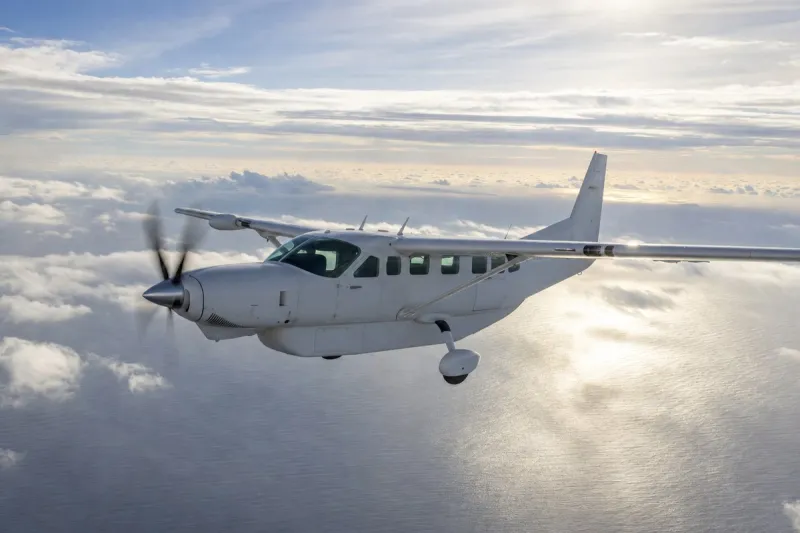
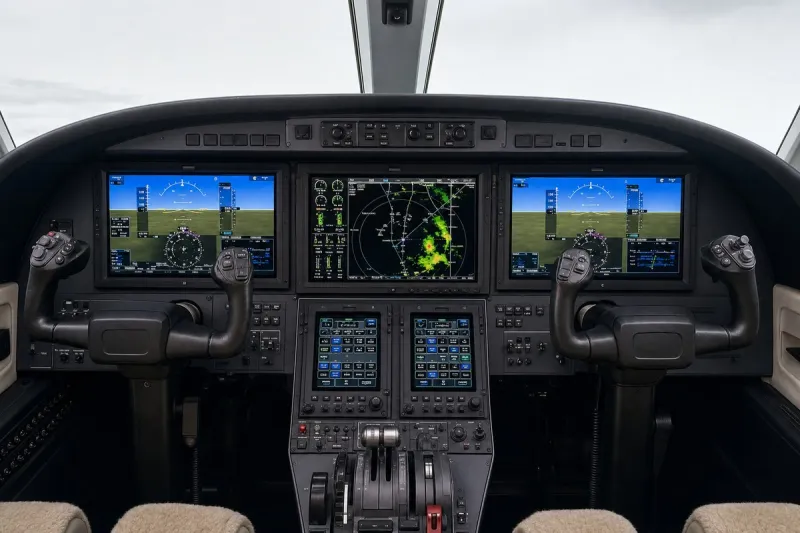
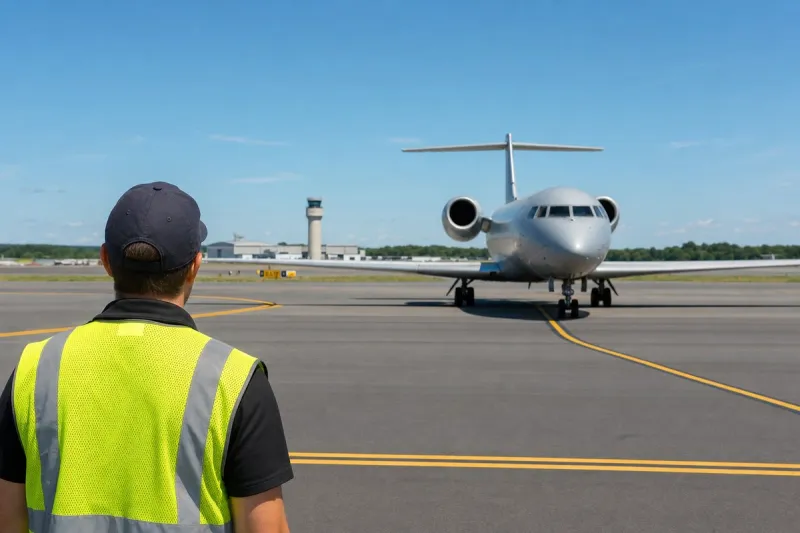
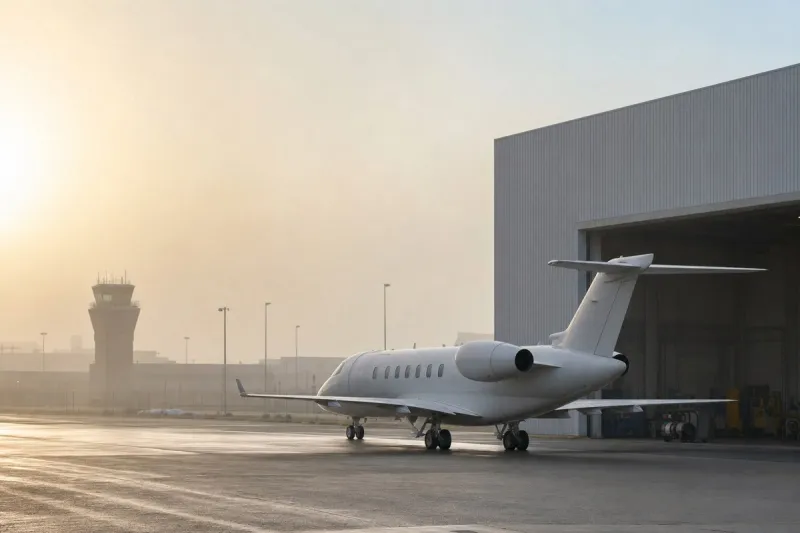
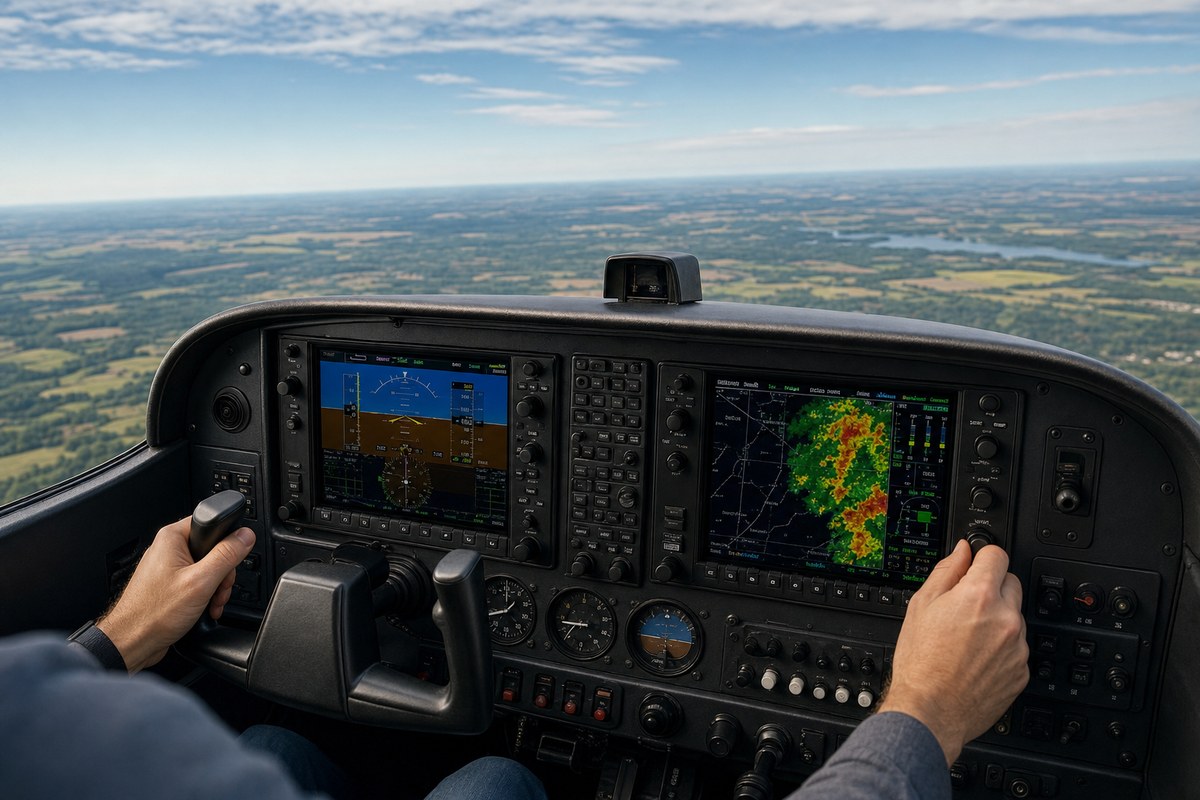
More than a dozen companies have been identified as developing artificial intelligence products for aviation cockpits, with several already delivering or certifying solutions specifically for general aviation, including PlaneDNA and Merlin Labs.
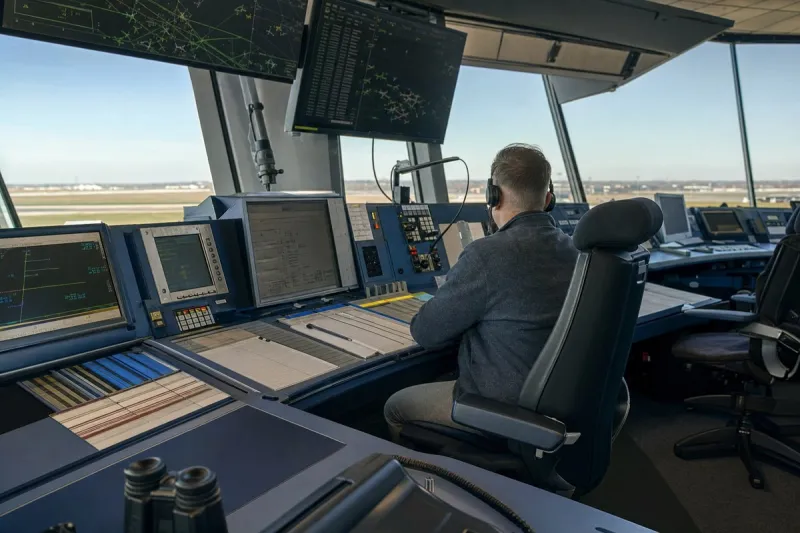
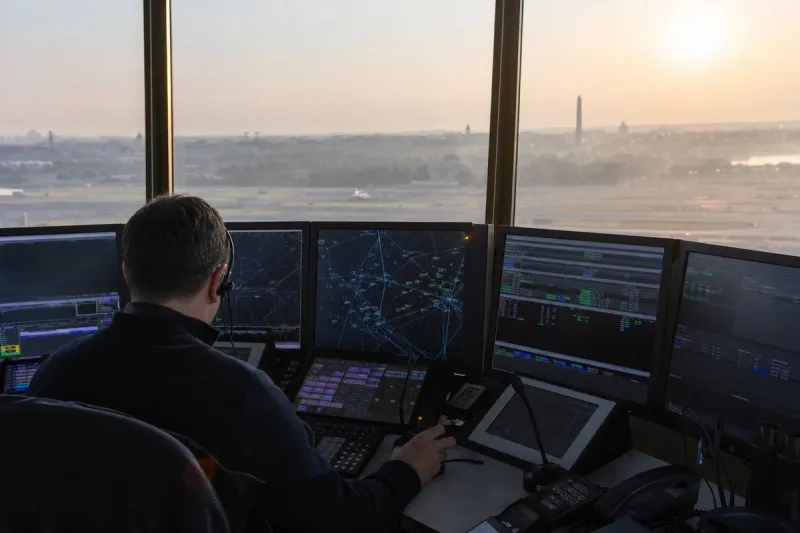
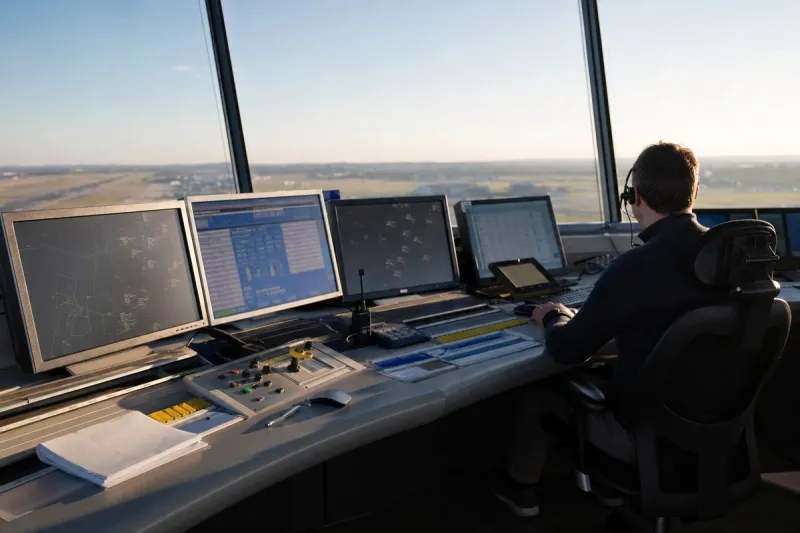
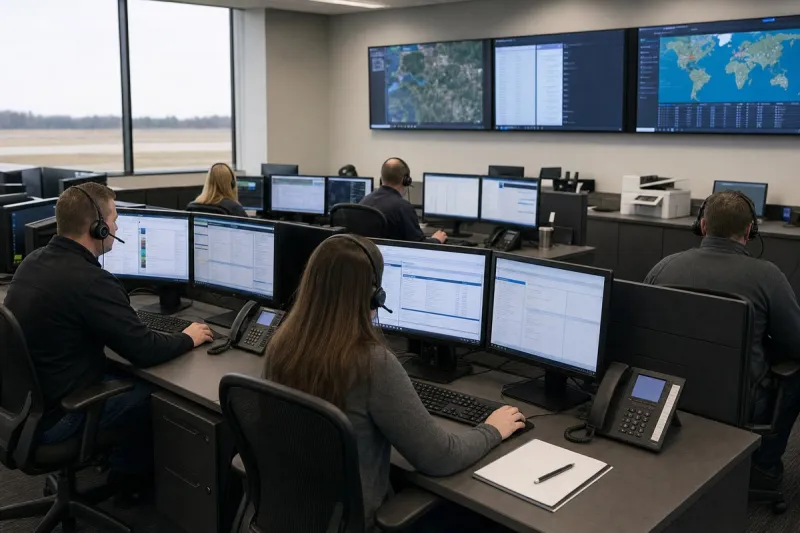
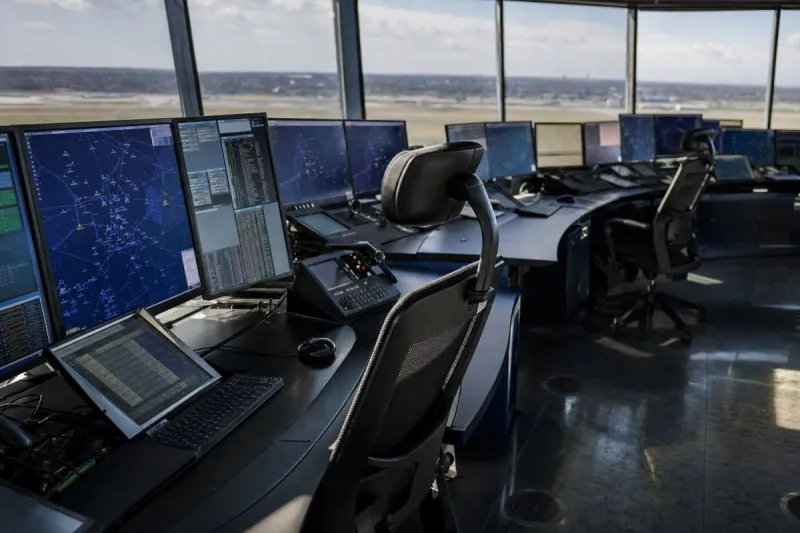
FAA Administrator Bryan Bedford, formerly chief executive of Republic Airways, told FLYING magazine in its June/Issue 971 that machine learning and AI technology will be used to improve the national air traffic control system's ability to provide safe aircraft separation. Bedford said implementation is expected to be tested and deployed by the end of 2028.
Industry impact & what to watch
This case shows two AI adoption tracks moving in parallel: cockpit-level tools built by a growing field of specialized vendors for general aviation, and a ground-level air traffic control application driven by the FAA itself. In general aviation, AI products reaching certification typically arrive piecemeal, tool by tool, rather than as a single integrated system, since each vendor pursues its own certification path.
The FAA's timeline, targeting testing and deployment of AI-assisted separation by the end of 2028, gives the industry a fixed milestone against which to measure progress on the air traffic control side. Whether the more than a dozen cockpit-focused companies achieve similar regulatory milestones on a comparable schedule remains the open question, and Bedford's own statement to FLYING is the clearest marker of the agency's intent so far.