FAA Chief Defends ATC Modernization Delays, Requests at Least $10 Billion More from Congress
Why It MattersModernizing air traffic control now depends on sustained multi-year funding beyond initial appropriations, leaving airlines and airports exposed to delays if Congress does not commit further money.
What happened
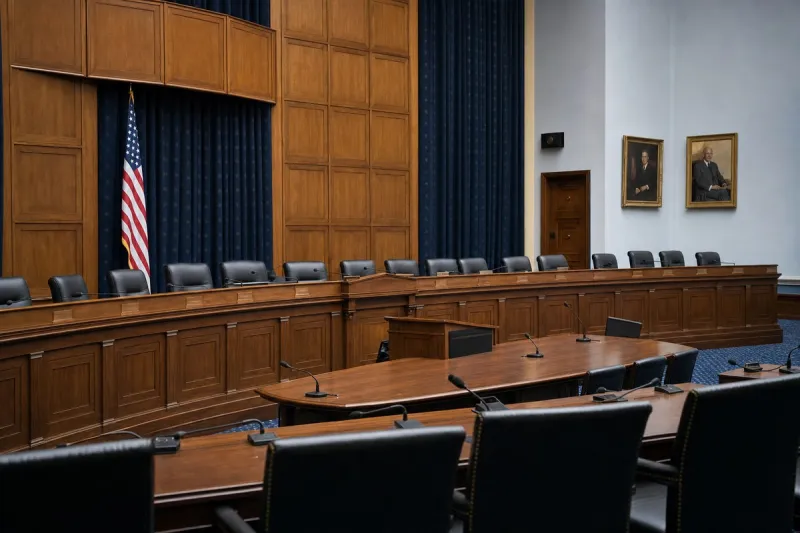
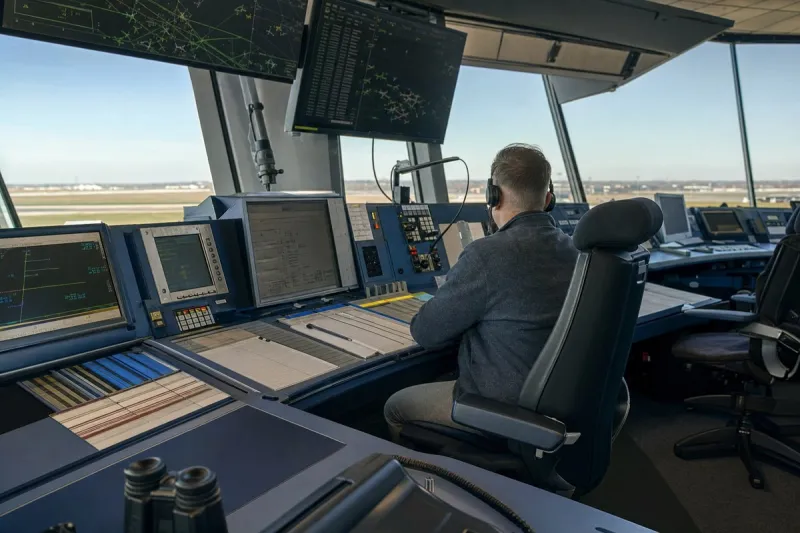
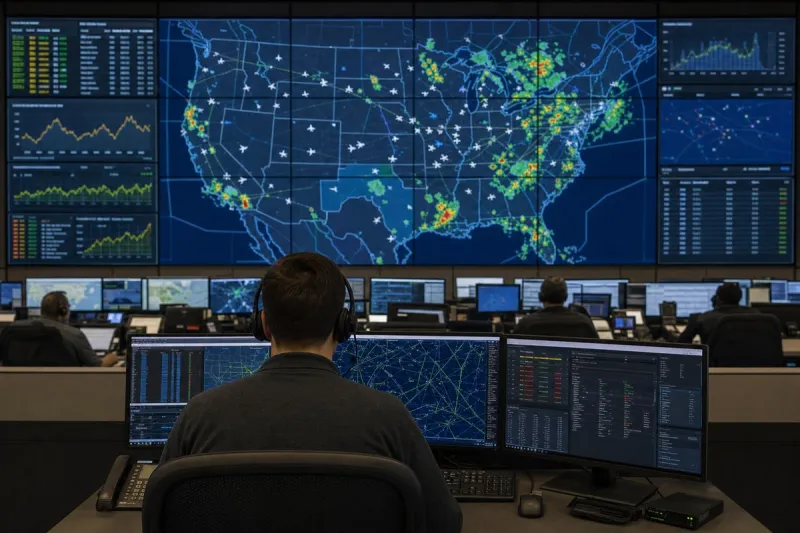
FAA Administrator Bryan Bedford appeared before the House Appropriations Committee's Subcommittee on Transportation, Housing, and Urban Development on Tuesday to defend schedule slips in the agency's air traffic control modernization program, known as the Brand New ATC System (BNATCS), while requesting at least $10 billion in additional federal funding. Congress had allocated $12.5 billion to the FAA for initial BNATCS work, which Bedford repeatedly described as a "down payment." He warned that without further funding, the National Airspace System could slip into higher delays, higher cancellations, and a less resilient airspace.
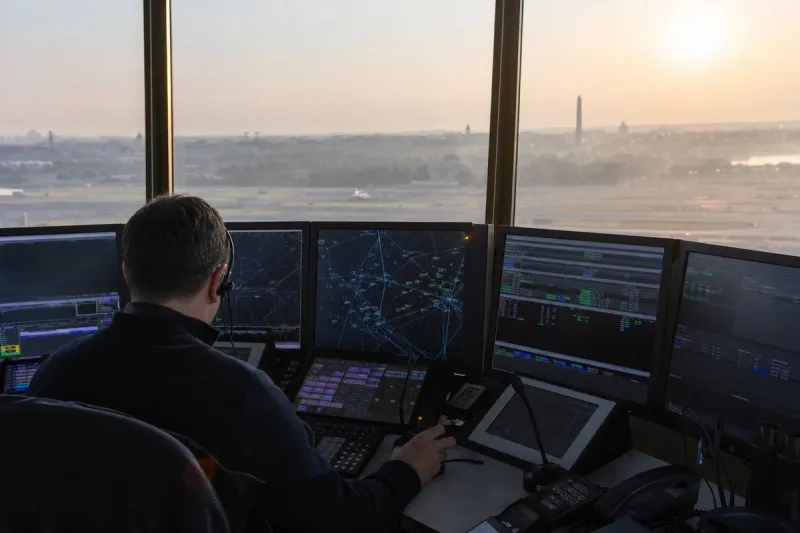
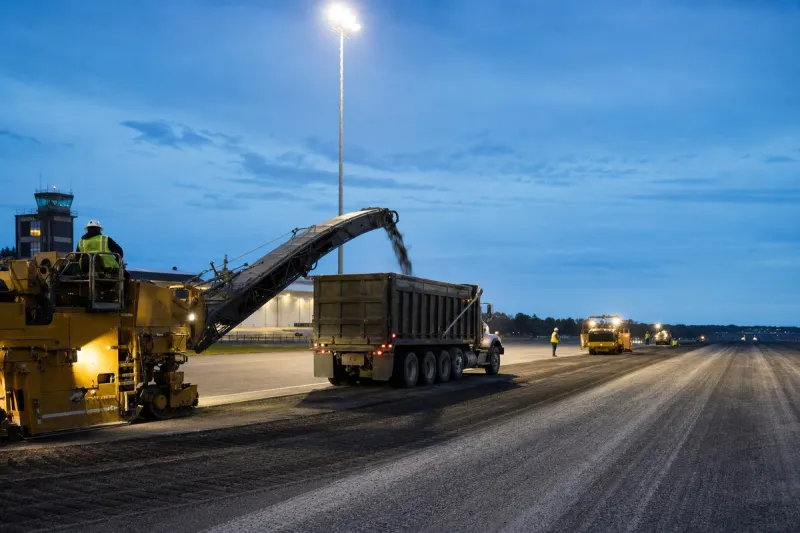
Bedford gave a mixed progress report. Telecommunications upgrades are ahead of the original December 2027 deadline, with completion now expected in September. More than 402 radio sites have been converted to modern equipment, 22 towers have transitioned from paper to electronic flight strips, surface movement radars have been deployed to five major airports, and 100 surface awareness systems are installed nationwide. However, radar replacement has slipped from June to September 2028, which Bedford attributed partly to supply chain disruptions tied to White House tariff policies. He said radar delays may pressure delivery of Phase 1 of BNATCS, which covers physical infrastructure upgrades, against its 2028 target.
The FAA expects to overspend the $12.5 billion to complete Phase 1 and does not yet have estimated start or completion dates for Phase 2, which includes a modern traffic flow management system, a common automation platform to unify the FAA's STARS and ERAM systems, and an AI-based system called Strategic Management of Airspace Routes and Trajectories. Bedford said those Phase 2 activities will require at least an additional $10 billion.
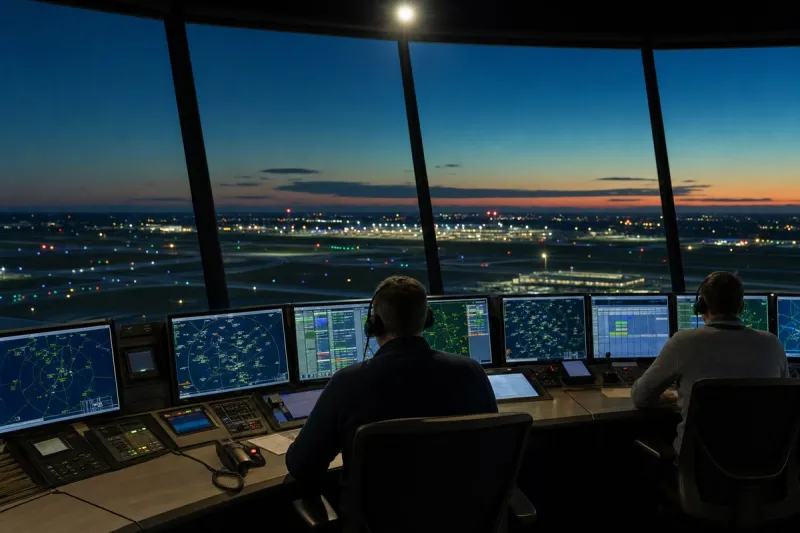
On staffing, Bedford acknowledged a shortage of approximately 3,000 certified professional controllers. He declined to commit to a 3.8 percent pay raise for controllers provided for by legislation passed earlier this year, citing a need for demonstrated improvements in workforce efficiencies first. Representative Bonnie Watson-Coleman (D-N.J.) pushed back, telling Bedford: "I think that you need to look down and talk to those people that you are in charge of. You need to have a better understanding of what their concerns are and how you could improve the morale."
Industry impact & what to watch
Large federal infrastructure programs of this scale rarely land inside their first appropriation, and BNATCS is following that shape: an initial down payment covering only part of the work, a second and larger request arriving once early construction exposes the real cost. The FAA's own account here shows both halves of that pattern at once — a telecom workstream running ahead of schedule alongside a radar workstream falling behind it, with supply-chain and tariff exposure cited as a driver on the harder half.
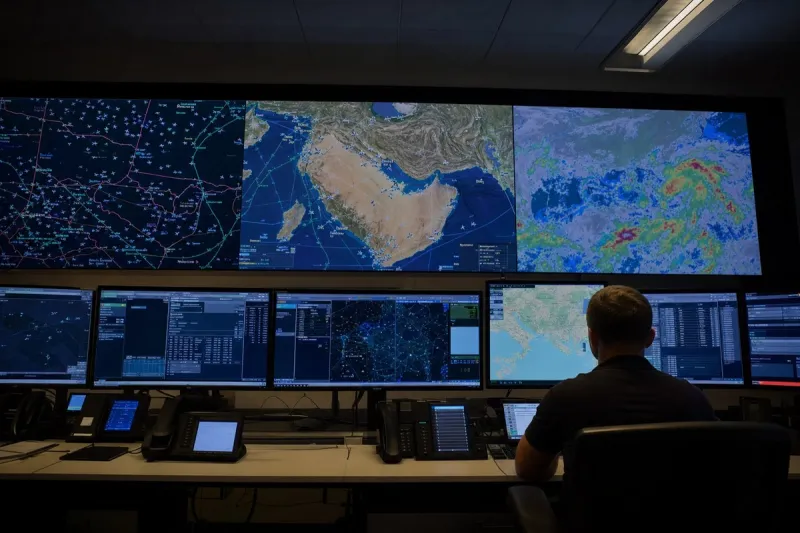
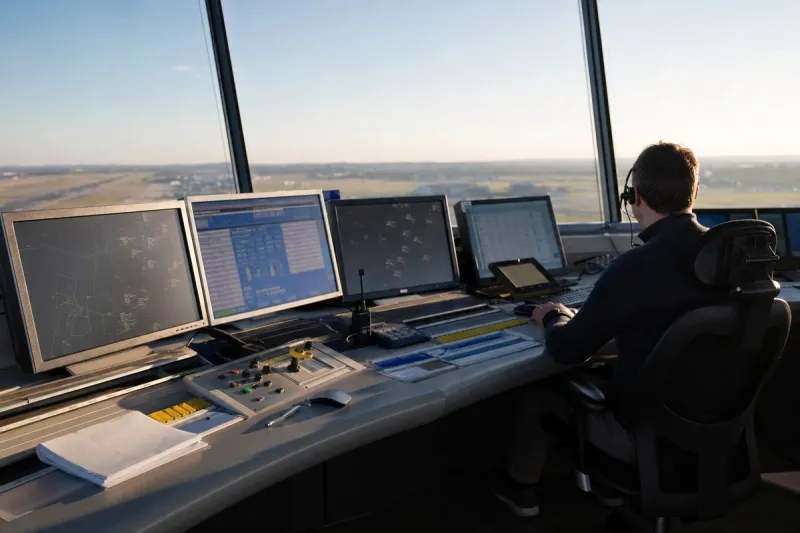
Air traffic control modernization sits on the critical path for airline schedule reliability, because both phases described here bear directly on system throughput: Phase 1 is physical infrastructure, Phase 2 is the automation and AI layer that would let controllers manage more traffic without proportionally more staff. A controller shortage of roughly 3,000 people compounds that risk, since automation gains and staffing gains are meant to arrive together rather than one substituting cleanly for the other.
The next dated milestone worth tracking is the radar replacement completion now set for September 2028, since a further slip there would put direct pressure on the 2028 Phase 1 target Bedford himself flagged as at risk. Whether Congress appropriates the requested $10 billion, and whether the FAA commits to the legislated 3.8 percent controller pay raise, will determine whether the workforce and funding sides of the program move in step with the infrastructure side.