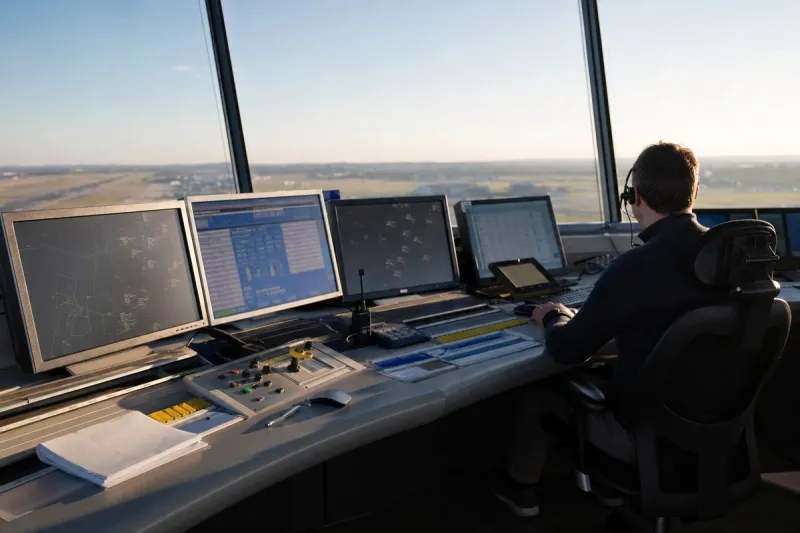
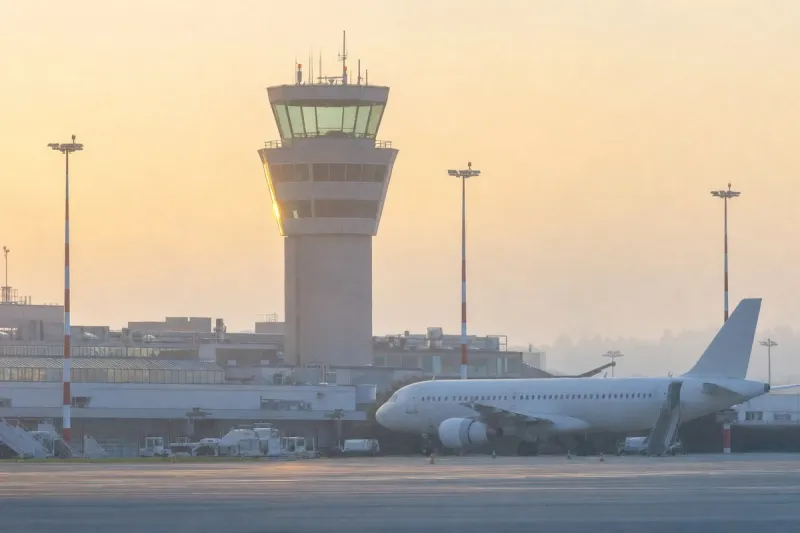
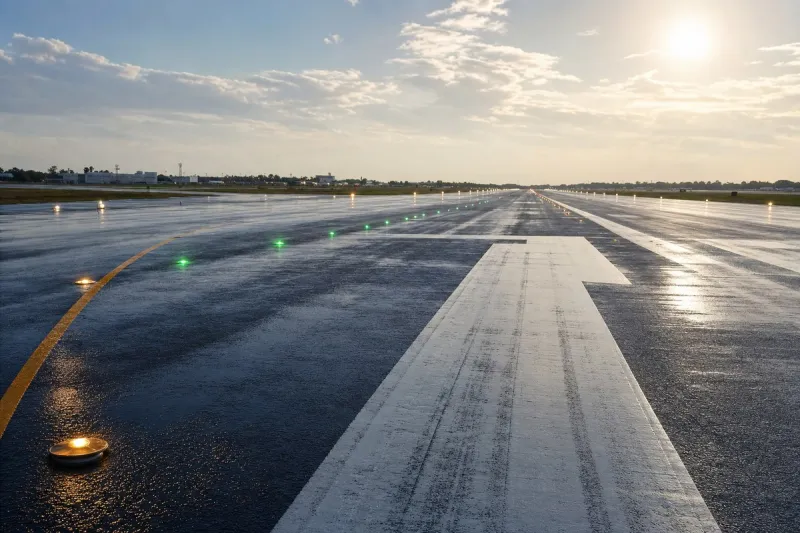
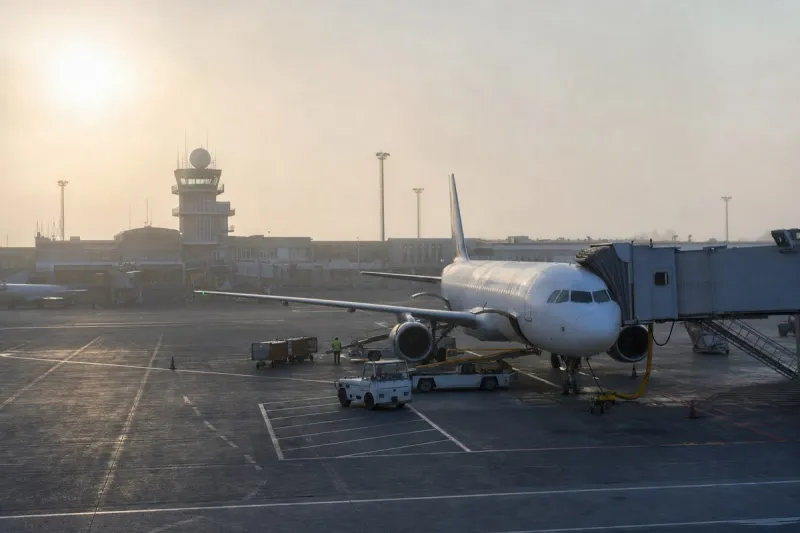
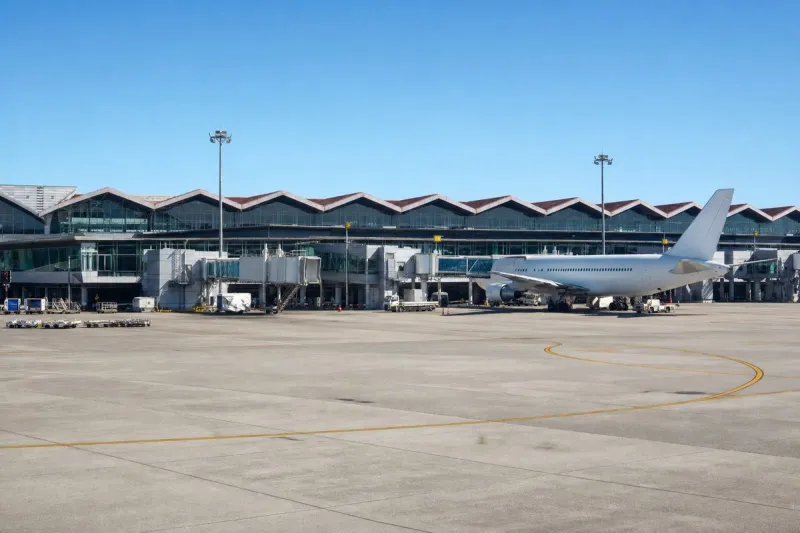
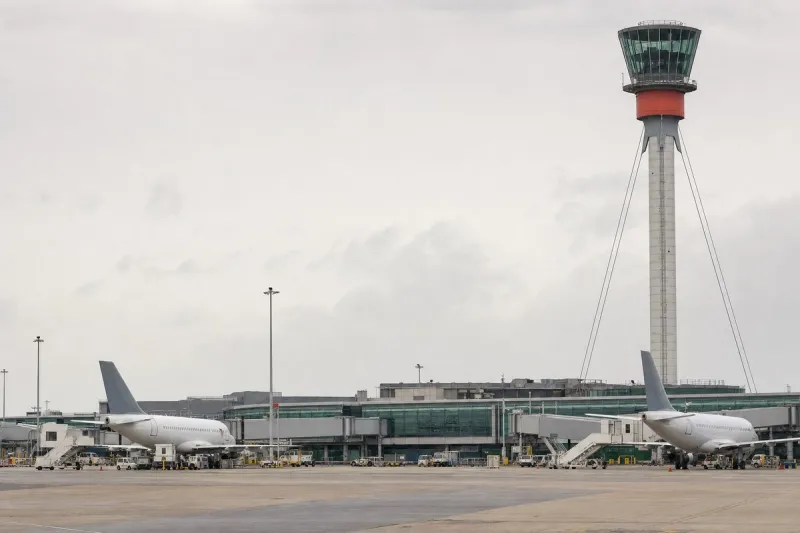
Bangor International Airport to Close Runway for Pavement Repairs September 21–24
Why It MattersScheduled multi-day runway closures for structural pavement defects push the rebooking burden onto airlines and passengers, since airports need not publish an itinerary plan themselves.
What happened
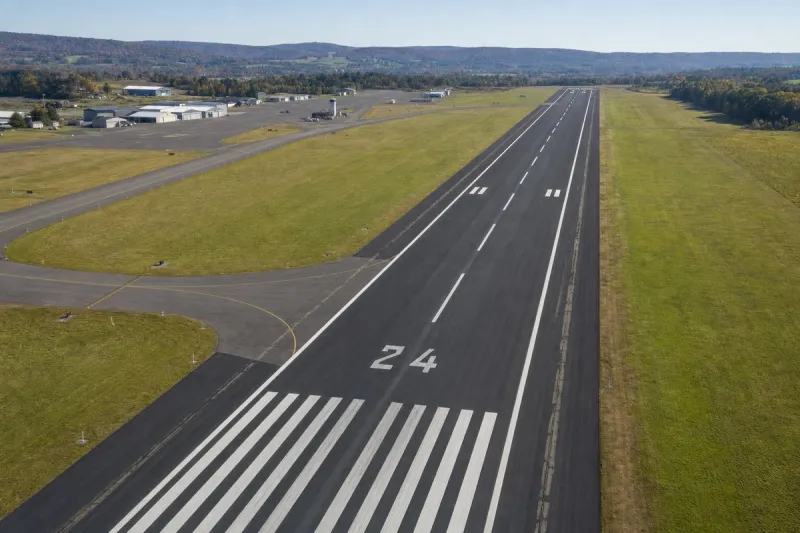
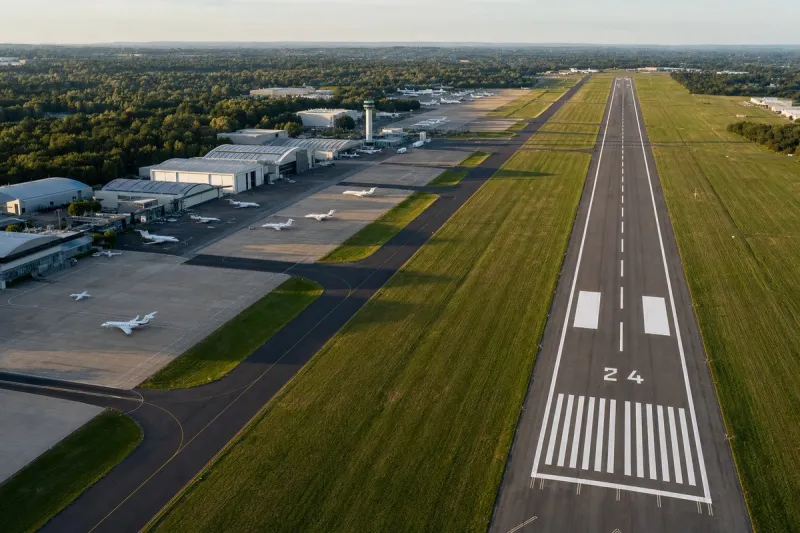
Bangor International Airport announced on August 3 that its runway will close for planned pavement repairs from September 21 through September 24. The closure is continuous across the four days, not a series of overnight work windows, and is scheduled to end on Thursday, September 24 at 3 p.m. Helicopter operations will continue throughout the closure period.

Inspections identified pavement affected by Alkali-Silica Reaction, a condition that can degrade concrete over time. Temporary repairs had previously been completed, and the airport's engineering team along with the FAA recommended carrying out permanent work while favorable weather conditions are available. The closure is scheduled maintenance, not the result of a new accident or an unplanned runway failure.
Flights booked for Tuesday, September 22 or Wednesday, September 23 fall entirely within the closure window. Passengers with Monday morning or Thursday afternoon bookings are advised to compare their specific flight times against the closure's start and end times instead of assuming their flights are unaffected, since the scheduled reopening at 3 p.m. on September 24 does not confirm that airlines will immediately resume normal timetables.
The airport has not published a rebooking plan. Passengers are advised to contact their airline or booking agent directly to find out whether a reservation has been moved to another date, rerouted through a different airport, or replaced with a different connecting itinerary. Under U.S. Department of Transportation guidance, passengers are entitled to a refund when an airline cancels a flight and they decline to travel or accept alternative compensation, and a significant itinerary change — such as a different origin or destination airport or additional connections — may also create a refund entitlement.
Industry impact & what to watch
A multi-day runway closure tied to a known structural defect, addressed on an engineering team's and a regulator's recommendation, is scheduled maintenance rather than an emergency response, and airports increasingly time such work around forecast weather windows to get permanent repairs done in one pass instead of returning to temporary fixes.
The gap this case exposes is who owns the passenger's itinerary once an airport sets a closure date. Bangor International Airport controls the runway schedule but not the rebooking decision; that sits with each airline, which can rebook, reroute through another airport, or restructure a connection, and DOT refund rules apply once a flight is cancelled or an itinerary changes significantly. Passengers holding bookings that straddle the closure edges — Monday morning or Thursday afternoon — carry the least certainty, since airlines may adjust schedules around the window even without a formal cancellation.
The next signal to watch is whether individual airlines publish their own contingency schedules for September 21–24 before the closure begins, and whether the 3 p.m. reopening on September 24 holds without cascading delays into the evening.