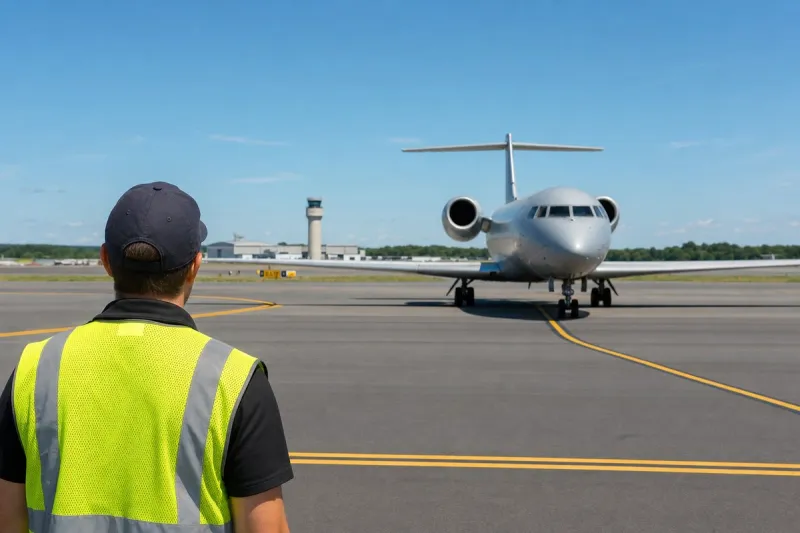
Tri-Cities Airport Receives More Than $8.3 Million in Federal Funding for Deicing Facility Expansion
Why It MattersThe upgrade shows how regional airports rely on federal Airport Improvement Program grants to fund winter-operations capacity ahead of forecast passenger growth rather than through self-financed capital spending.
What happened
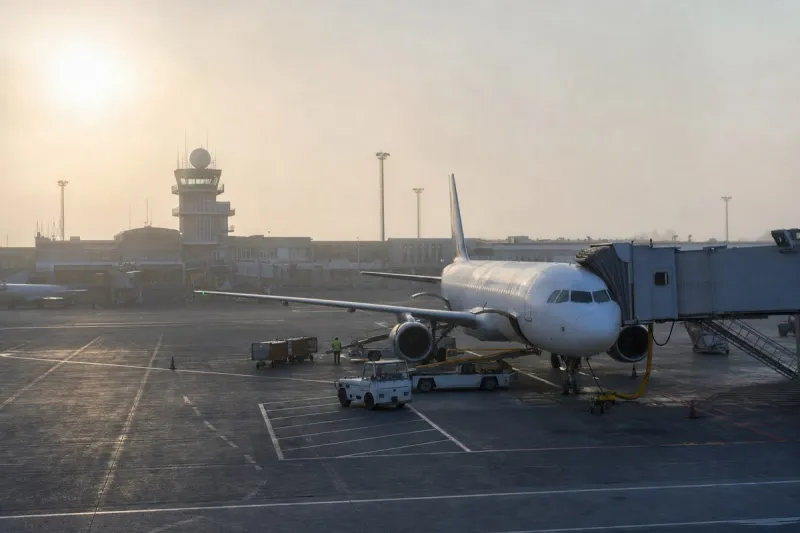
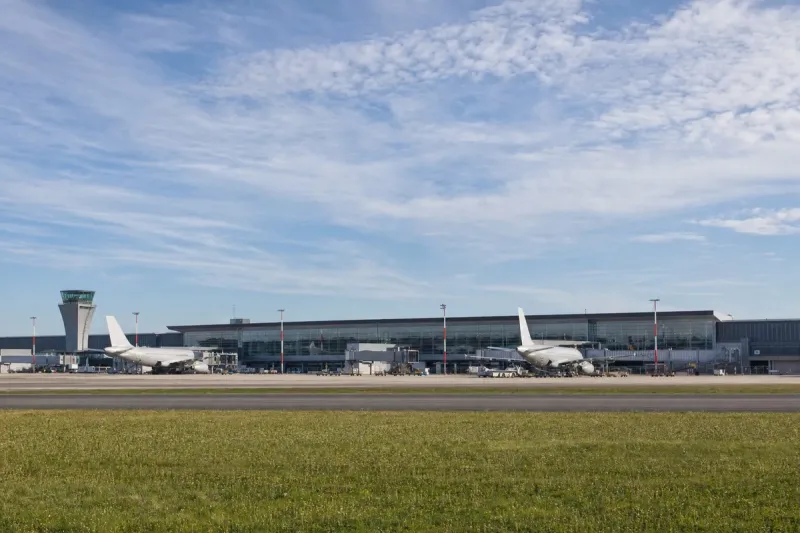
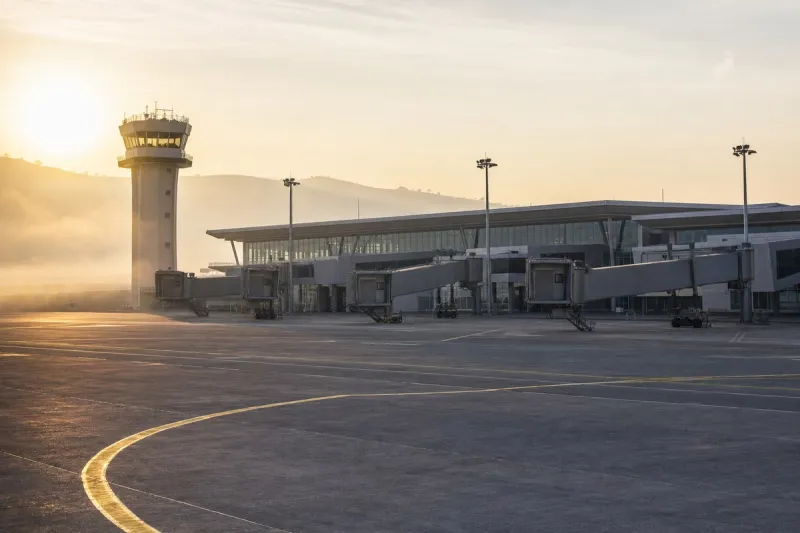
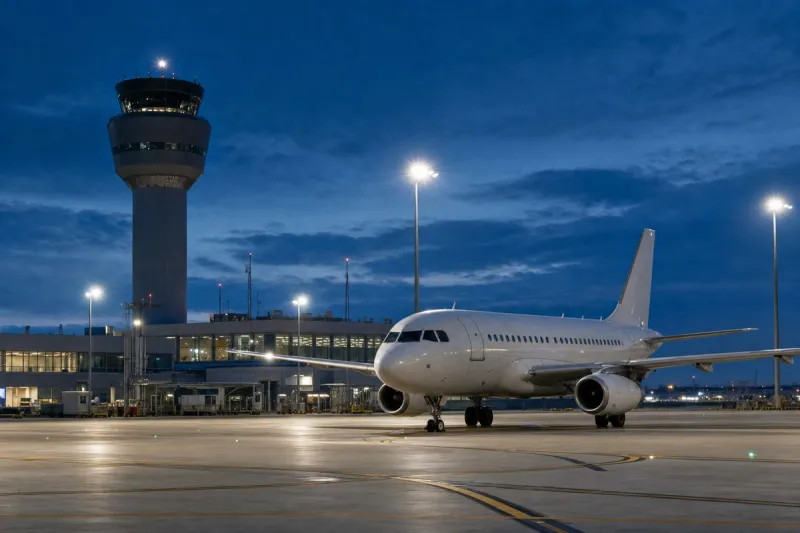
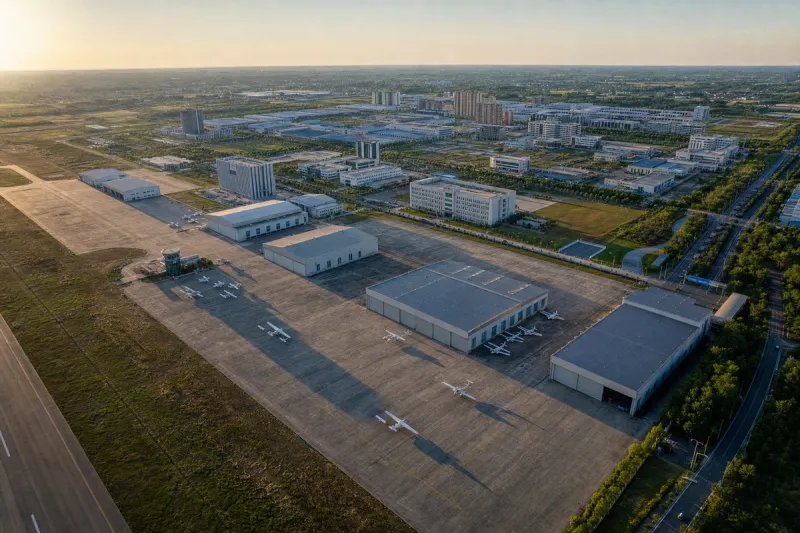
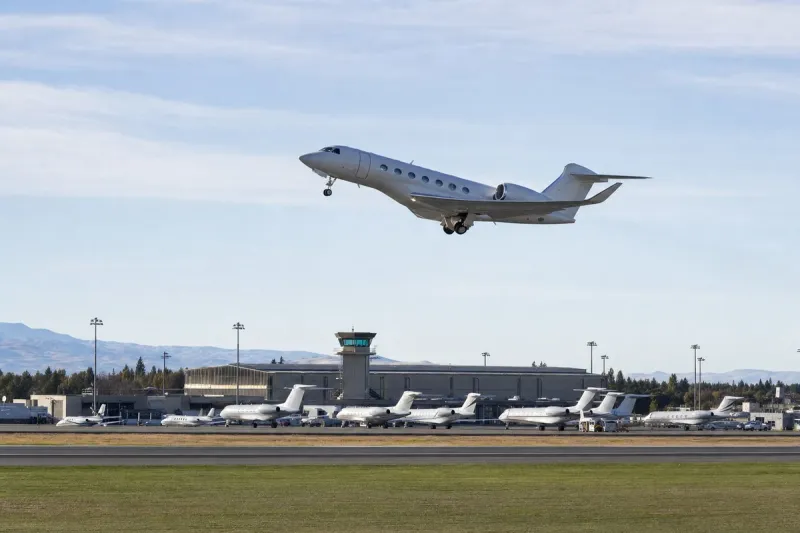
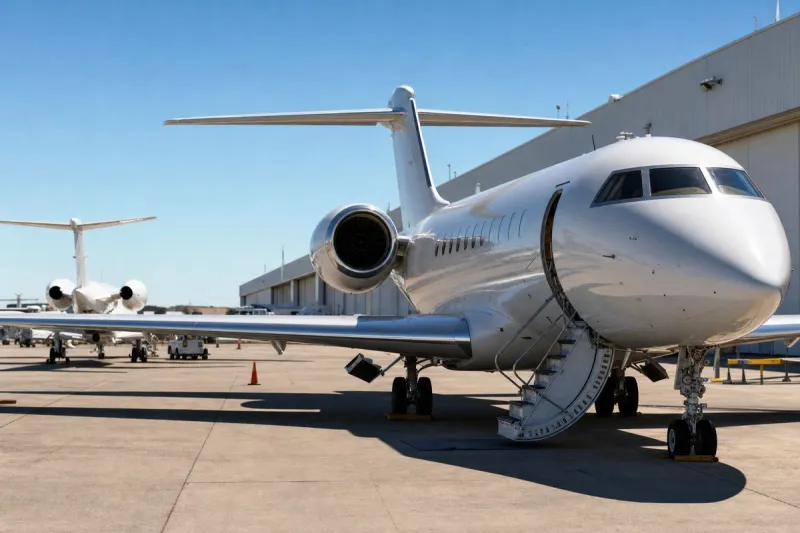
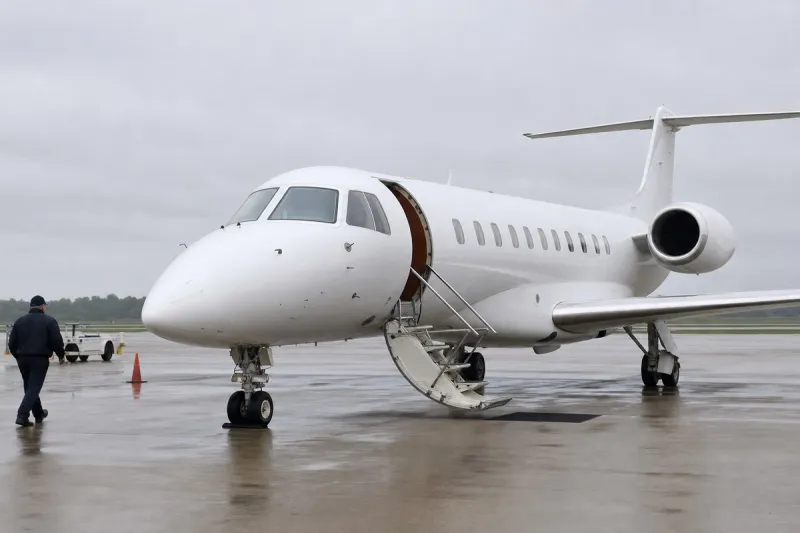
Tri-Cities Airport (PSC) has been awarded more than $8.3 million in federal funding to expand its deicing facility and upgrade surrounding airfield infrastructure, airport officials announced. The funding comes through three federal Airport Improvement Program grants.
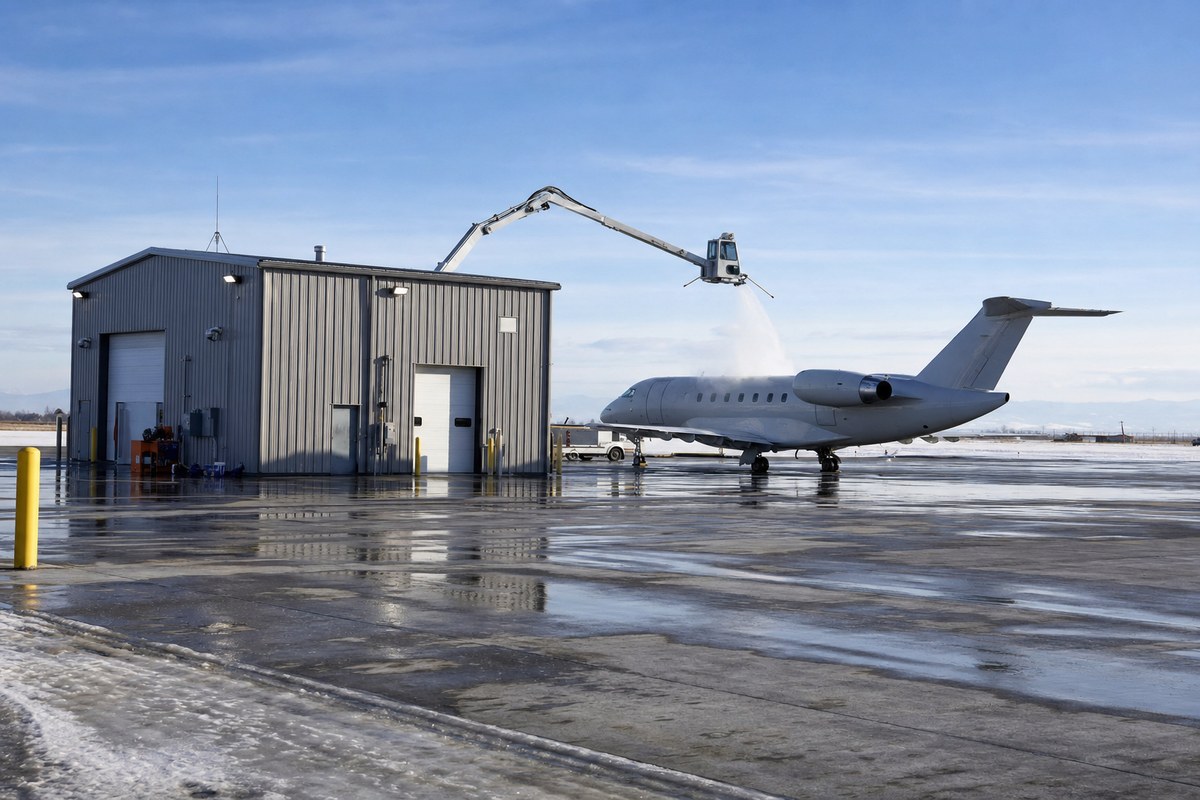
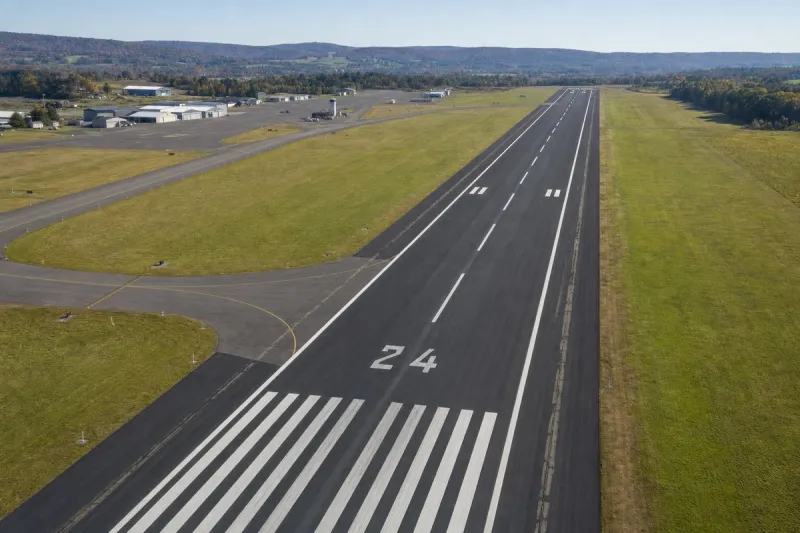
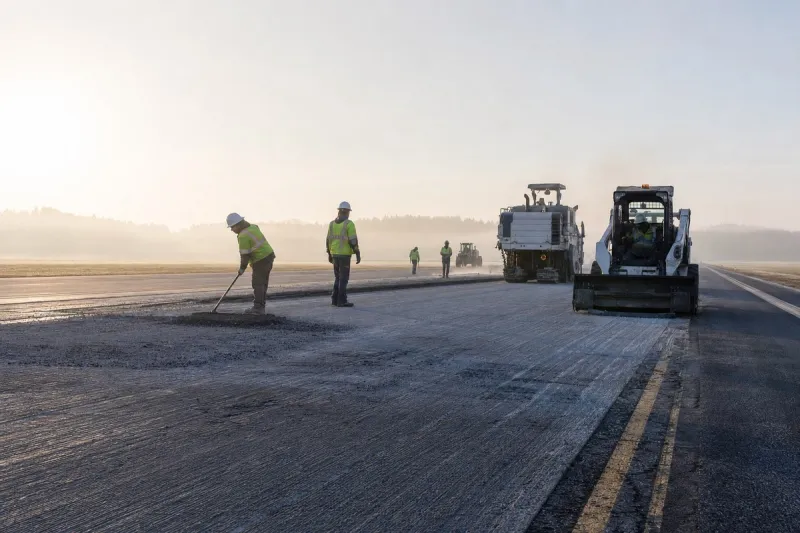
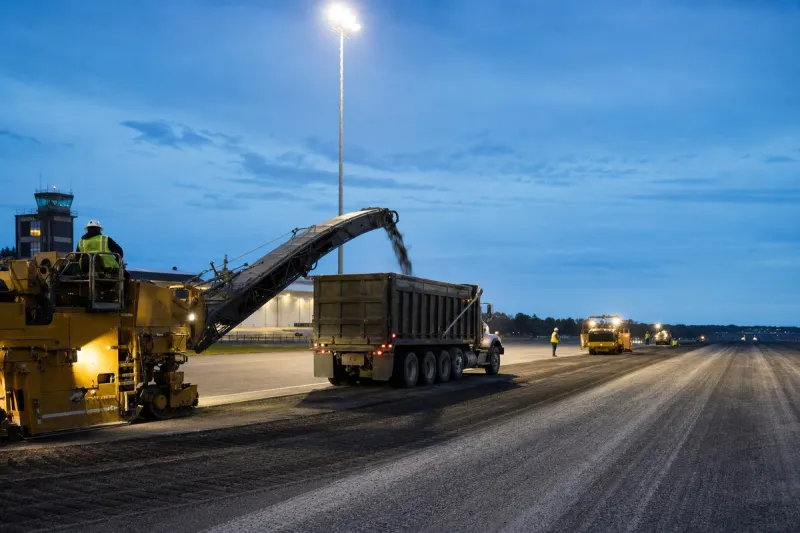
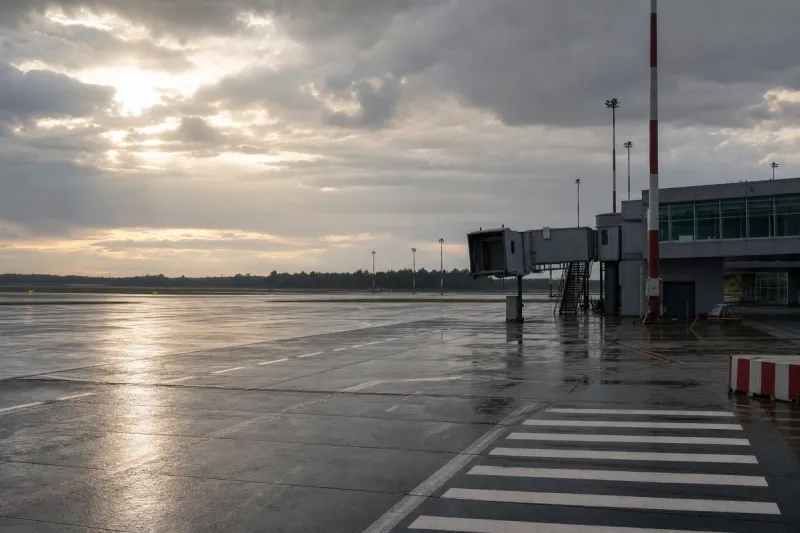
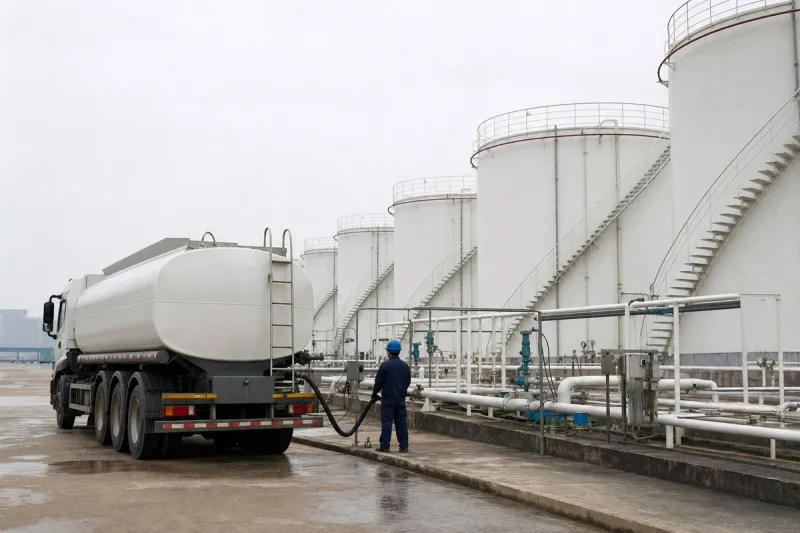
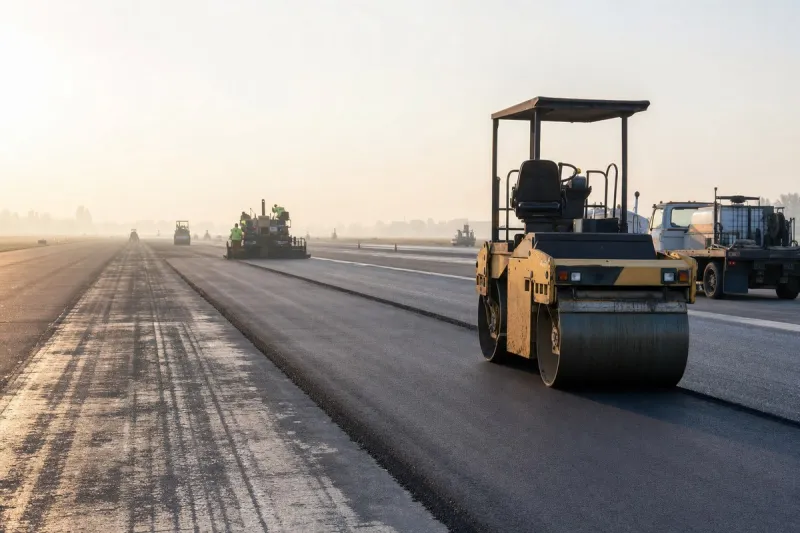
The project will enlarge the airport's existing deicing pad so it can accommodate up to three aircraft simultaneously, which officials say will reduce wait times and improve efficiency during snow and freezing weather. The work also includes construction of new Taxiways B1 and B2, new infrastructure to manage aircraft deicing runoff, and relocation of FAA weather and navigation equipment to make room for the expanded pad.
Construction is scheduled to begin in March 2027, following project bidding later this year. Airport Director Buck Taft said the investment will help PSC keep pace with growing passenger traffic. "This project is another important investment in the future of Tri-Cities Airport and we're grateful for the support of our federal partners in making it possible," Taft said, adding that expanding deicing capabilities and modernizing the surrounding airfield will help the airport "better serve our airline partners and the traveling" public.
Industry impact & what to watch
Winter-capacity projects like this one are a recurring category of airfield investment: regional airports size their deicing infrastructure to a specific throughput target — here, three aircraft at once — because that number directly determines how much delay a snow event produces downstream across a connecting network. Federal Airport Improvement Program grants are the standard financing route for this kind of civil work, since the runoff-management and taxiway components are the sort of infrastructure spend regional airports rarely fund from their own operating budgets.
The relocation of FAA weather and navigation equipment to accommodate the larger pad also signals how airfield expansions ripple into adjacent systems rather than staying contained to the single facility being upgraded. Bidding is expected later this year ahead of a March 2027 construction start, and that timeline is the next checkpoint for confirming the project stays on schedule before another winter season arrives.