FAA Launches $875M AI Program to Reduce Air-Traffic Delays, Starting in Washington D.C. Corridor
Why It MattersThe rollout signals a broader shift toward AI-driven airspace management that, if scaled nationally, could reshape flow-control practices across the busiest U.S. corridors.
The Federal Aviation Administration is deploying an $875 million artificial-intelligence initiative aimed at reducing flight delays in high-traffic corridors, with the initial rollout planned for the Washington, D.C. metropolitan area.
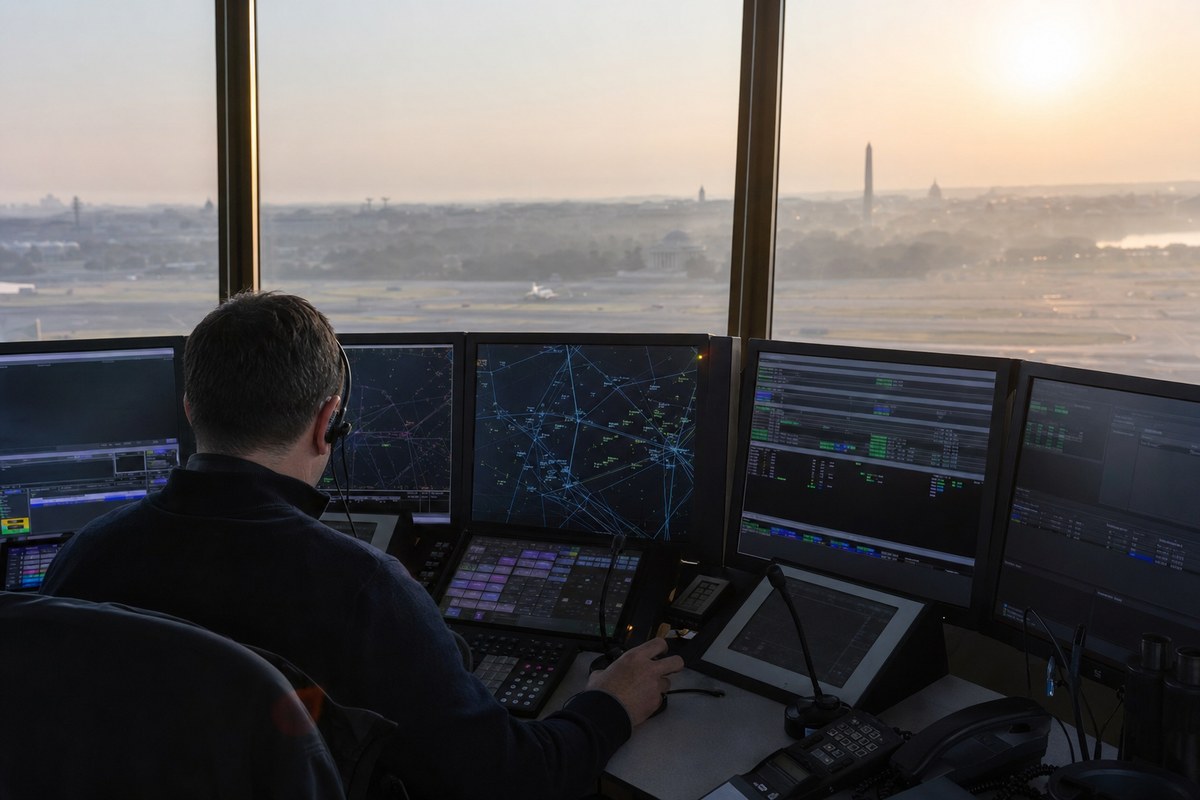
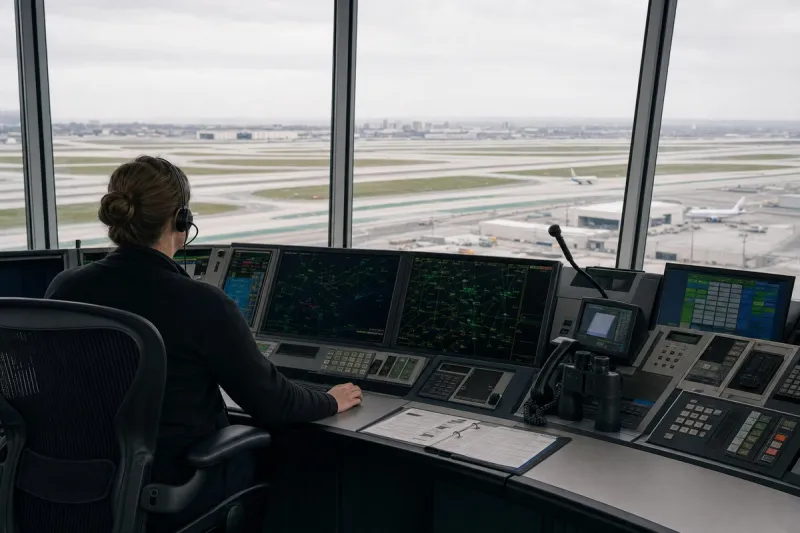
The program centers on a cloud-based system called SMART — Strategic Management of Airspace, Routes, and Trajectories — paired with related flow-management data services. SMART applies AI-driven forecasting to variables affecting U.S. flight movements, including airline schedules, weather, airport acceptance rates, airspace constraints, and operational limits. The FAA describes it as a decision-support tool that identifies congestion and potential conflicts earlier than legacy processes, then assists with decisions on departure times, reroutes, and timing at key points along a flight.
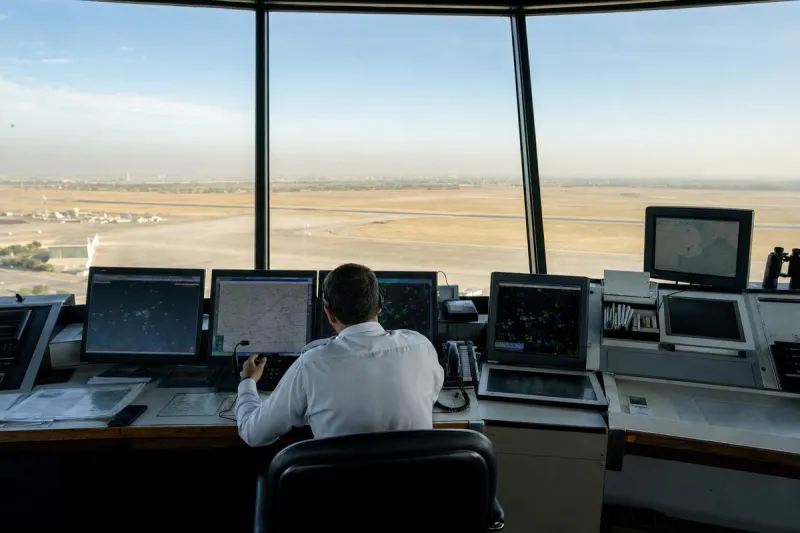
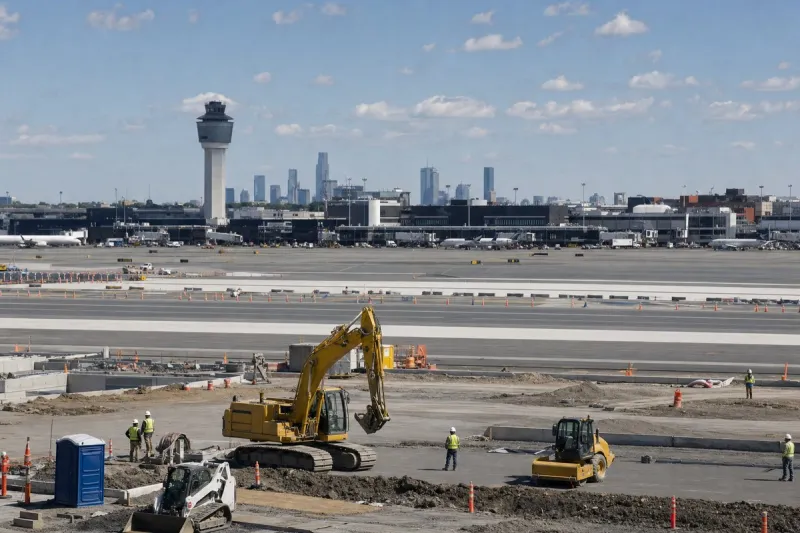
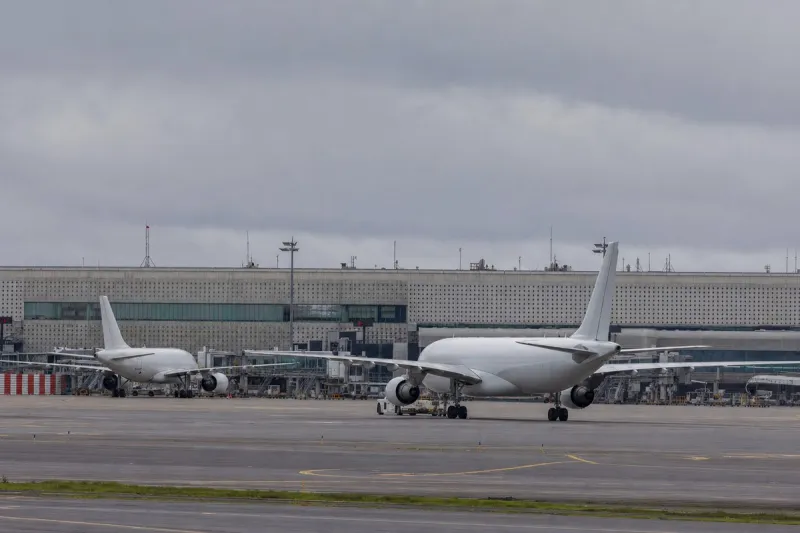
The Washington, D.C., region was chosen as the launch site because it combines dense airline schedules, constrained airspace, and frequent weather disruptions, making it one of the most complex corridors in the country, where disruptions routinely propagate nationwide through missed connections and aircraft rotations. The FAA has indicated that a successful deployment there would support broader expansion of the system. The initiative is part of a larger federal modernization push that includes telecommunications upgrades, conversion from paper flight strips to electronic displays at some towers, surface awareness systems at airports, radio site and surface movement radar upgrades, and a planned Common Automation Platform to consolidate legacy controller automation tools.
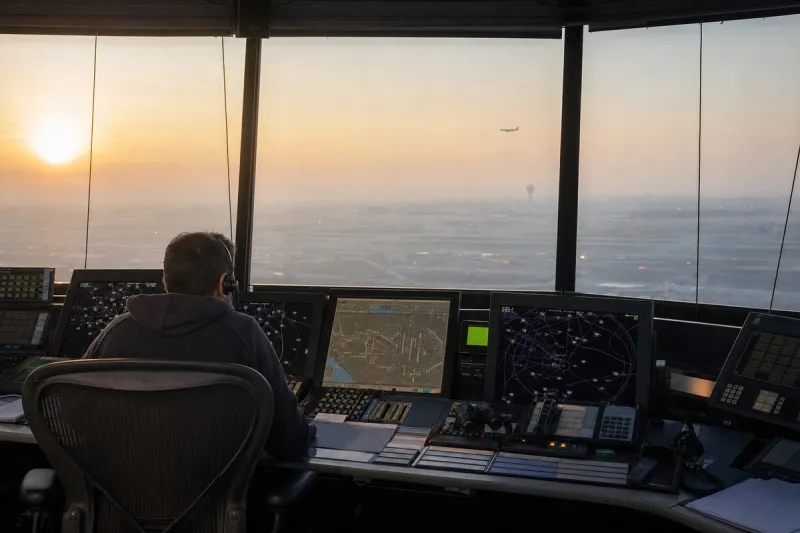
Separately, the FAA reported that as of August 2026 approximately 11,000 Certified Professional Controllers were deployed across 313 federal air-traffic control facilities, against a revised staffing target of 12,563, with thousands more in training. Officials described the technology investment and workforce expansion as complementary efforts rather than substitutes. The FAA and analysts have cautioned that air-traffic tools typically roll out in phases before reaching full operational scope, and the Government Accountability Office has previously emphasized the importance of detailed cost and schedule planning in large-scale air-traffic modernization programs.