Russia's Business Aviation Fleet May Shift to Tu-214, SJ-100, and MC-21 as Foreign Jet Restoration Faces Hurdles
Why It MattersThe case shows that once a sanctioned fleet accumulates years of substitute maintenance history, restoring pre-sanctions market structure depends less on lifting restrictions than on foreign regulators retroactively recognising that work.
What happened
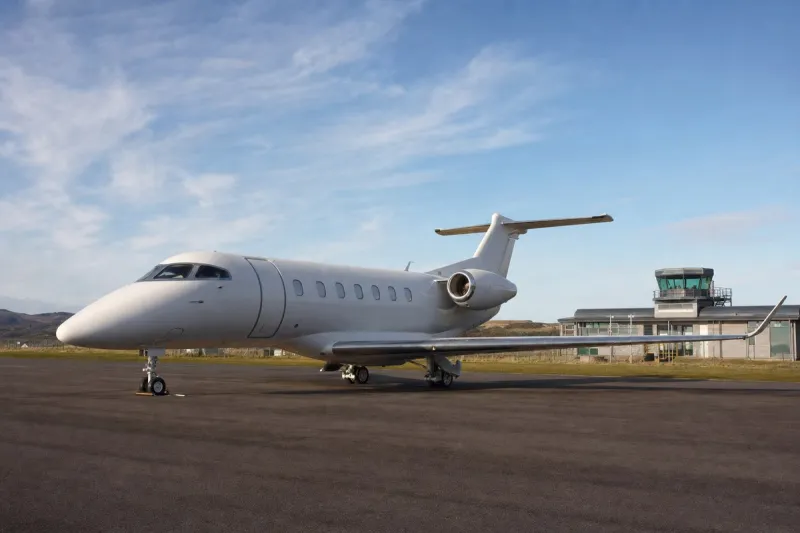
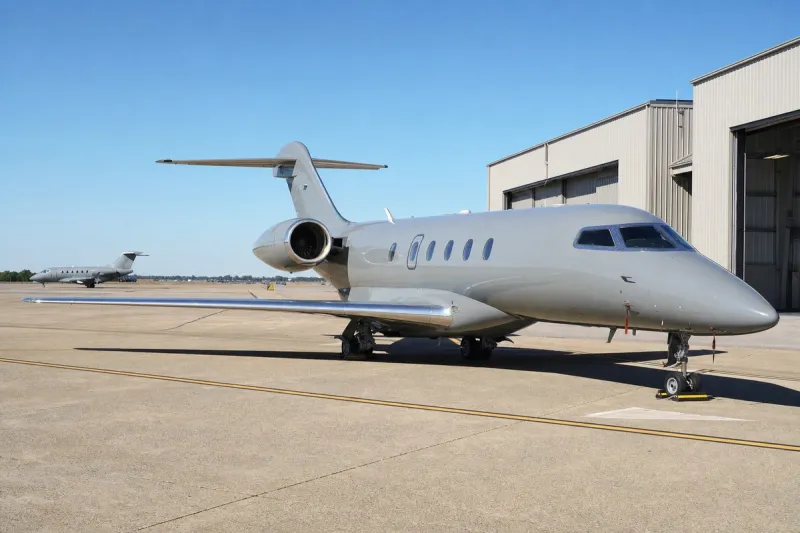
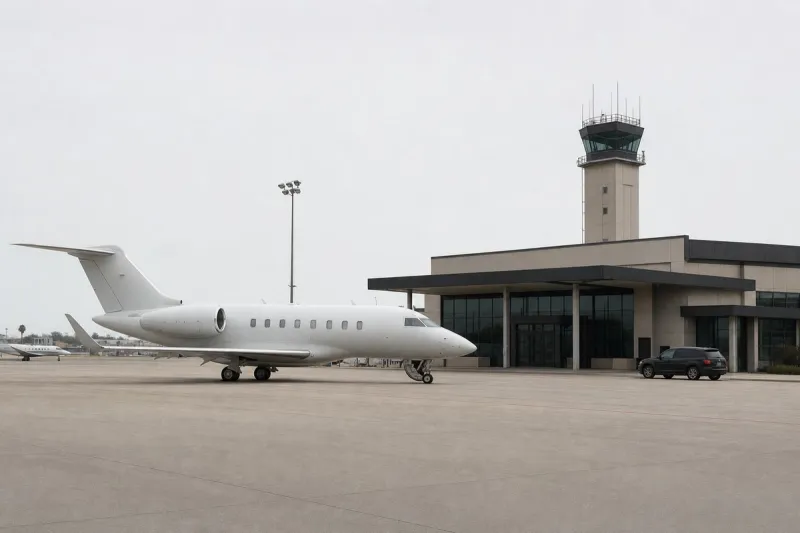
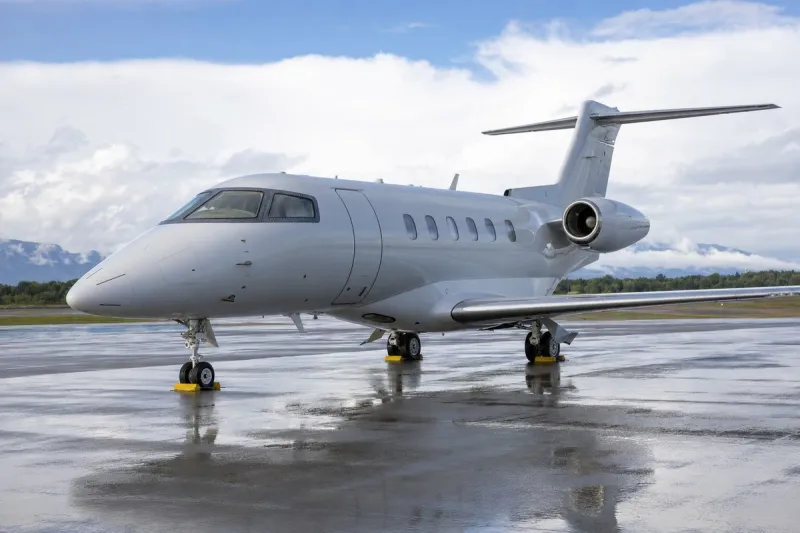
Aviation blogger SkyExpert said Russia's business aviation market may not revert to its pre-2022 structure even if Western sanctions are lifted. He warned that owners of Gulfstream, Global, and other foreign business jets cannot simply wait for Western service centers to reopen, noting that some aircraft have already been transferred to the Russian registry and that maintenance carried out over the past four years must still be recognised by foreign aviation authorities before those jets can return to Western-certified operations.

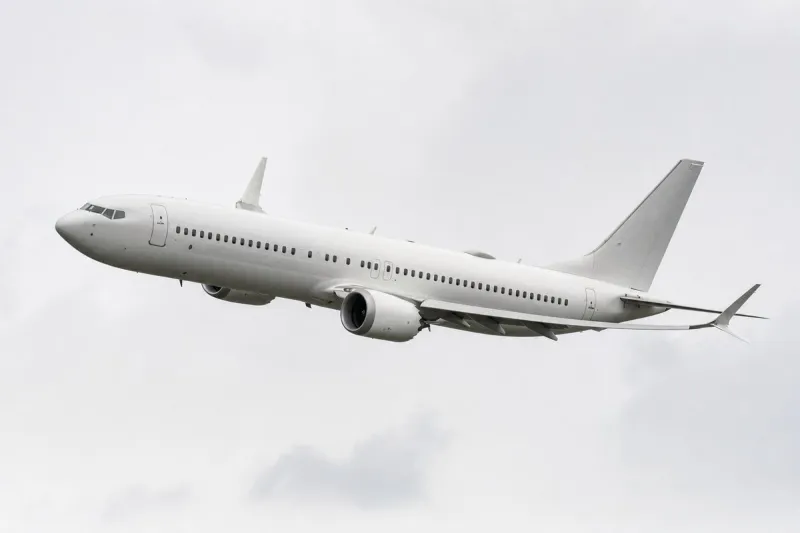
SkyExpert assessed that the future Russian business aviation fleet will gradually shift toward domestic aircraft — the Tu-214, SJ-100, and MC-21. He said the Tu-214 already exists in a business version, the SJ-100 is intended to serve as an import-substituted platform, and the MC-21 is seen as capable of addressing a broader corporate segment, while noting that the number of owners able to transition to a full domestic business jet will be limited.
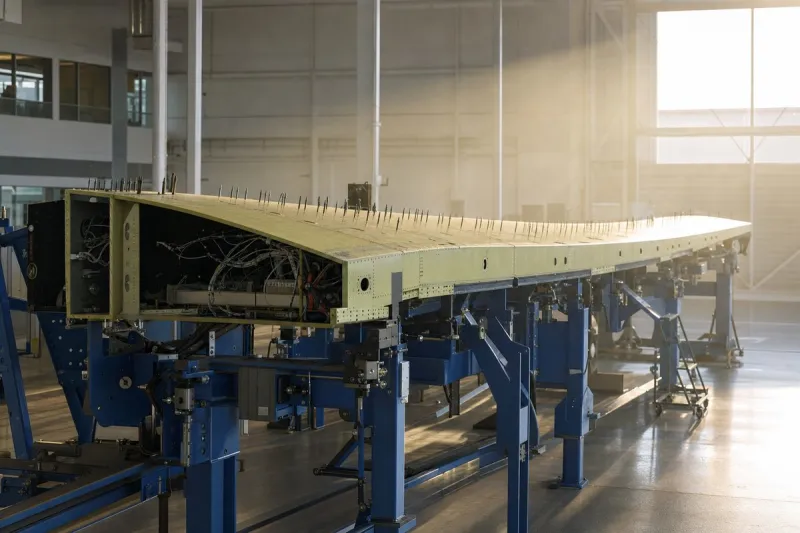
JetPort Technics stated that it obtained certificates to perform basic maintenance on more than 20 business jet models after sanctions were introduced, despite initially lacking the necessary resources, equipment, and competencies. Domestic MRO providers now say they are prepared to compete for clients even if Western companies return. Labour rates per man-hour inside Russia are comparable to foreign rates, while components and spare parts can cost three to four times more, with some parts requiring custom manufacturing.
Industry impact & what to watch
This case illustrates how a sanctions period can leave a lasting mark on fleet structure even after the original restrictions end, because the interruption itself generates a parallel maintenance and registration history that outlasts the political trigger. In business aviation, airworthiness rests on a continuous, auditable chain of maintenance records tied to a specific regulatory regime — once that chain runs through a different registry and different certifying MROs for years, reconnecting it to the original regime becomes a separate negotiation from the sanctions question itself.
What determines whether owners of Gulfstream and Global aircraft can eventually return to Western-certified operations is whether foreign authorities choose to recognise the Russian registration records and the maintenance performed by providers like JetPort Technics. Until that recognition question is resolved, elevated component costs and the emergence of domestically built alternatives such as the Tu-214, SJ-100, and MC-21 give the domestic MRO and manufacturing base time to entrench itself as a competing option rather than a stopgap.