Oklahoma's Okmulgee Regional Airport Breaks Ground on First Purpose-Built $2.5M Terminal
Why It MattersSmall regional airports often depend on layered federal, state and municipal funding to replace aging or repurposed facilities, tying general aviation infrastructure upgrades to local government budgets and state aerospace agency priorities.
What happened
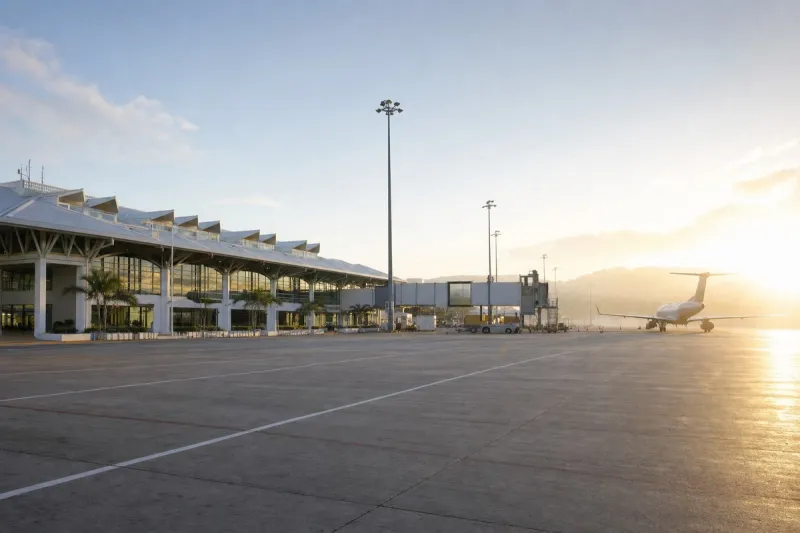
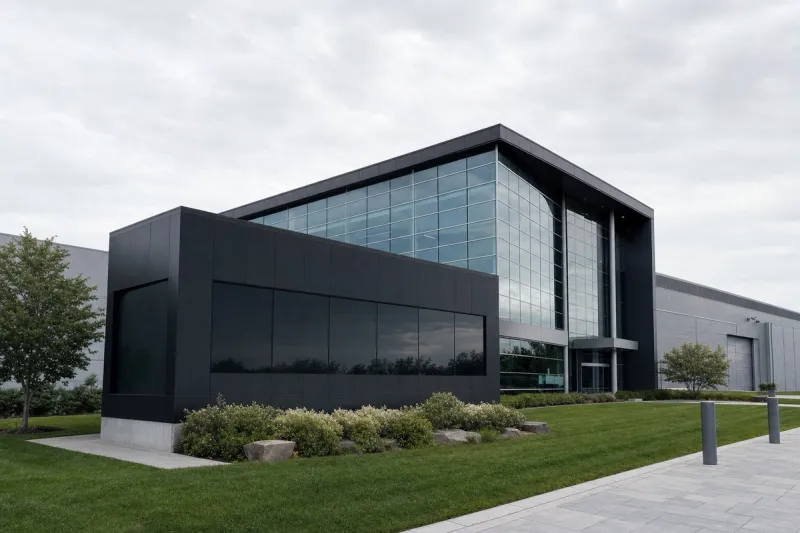
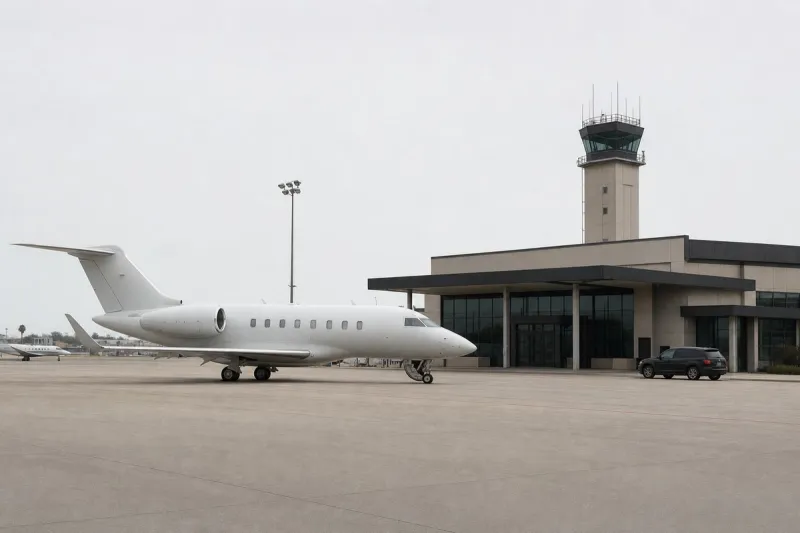
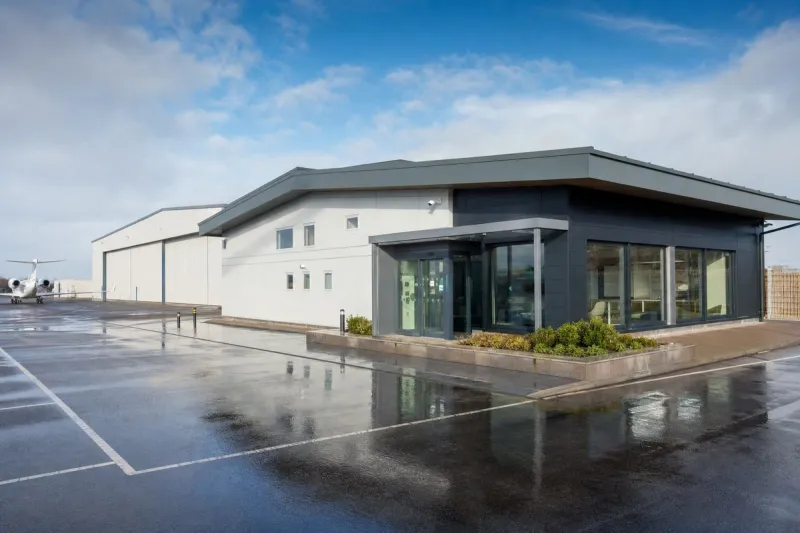
Okmulgee Regional Airport (KOKM) in eastern Oklahoma has broken ground on its first purpose-built passenger terminal, a $2.5 million project replacing offices that had been converted from a 1960s-era private hangar. The new terminal will measure 4,000 square feet and include a pilot lounge and a conference room, alongside a new parking lot, improved lighting, drainage improvements, new fencing and a motorized gate. Construction is expected to take approximately one year.
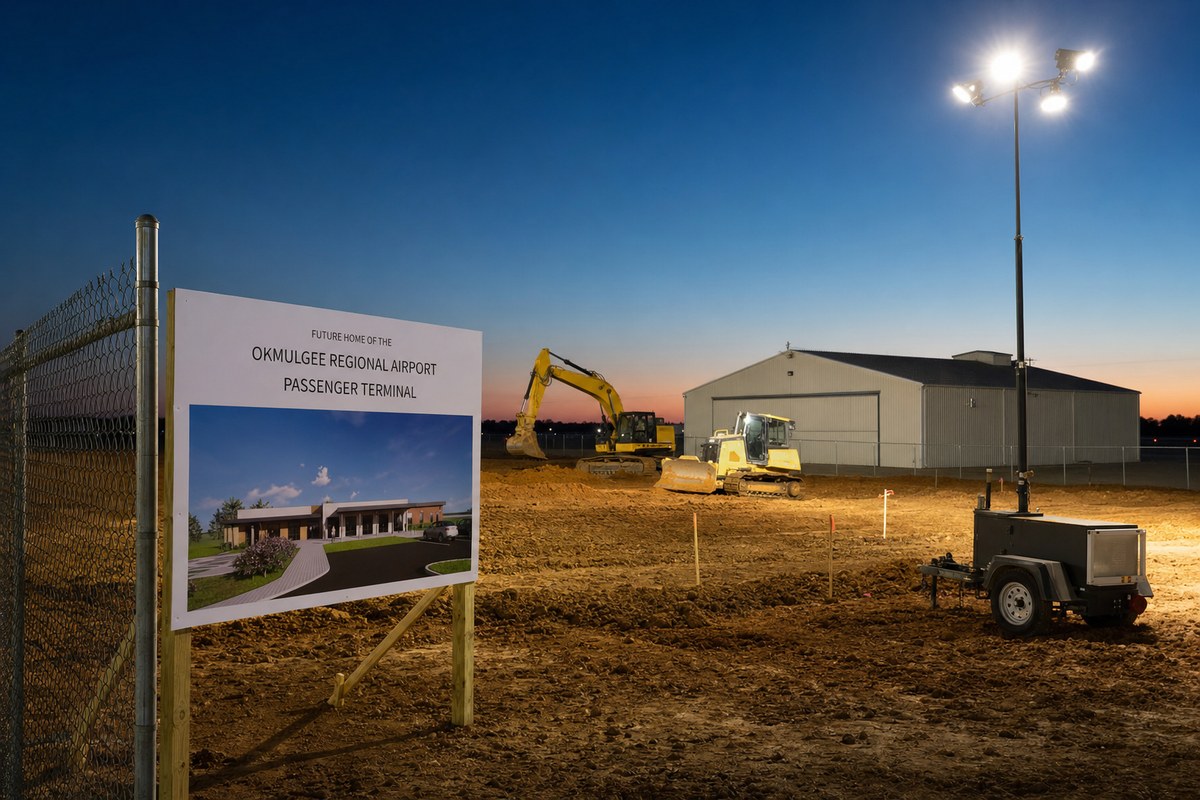
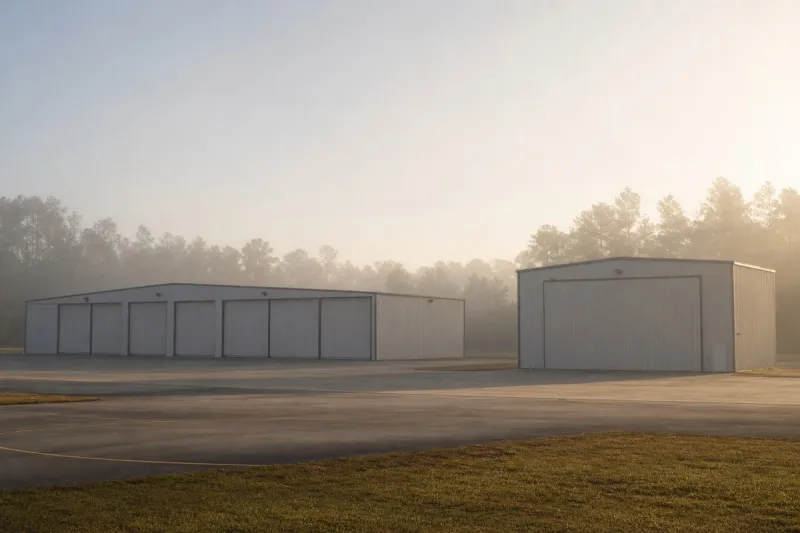
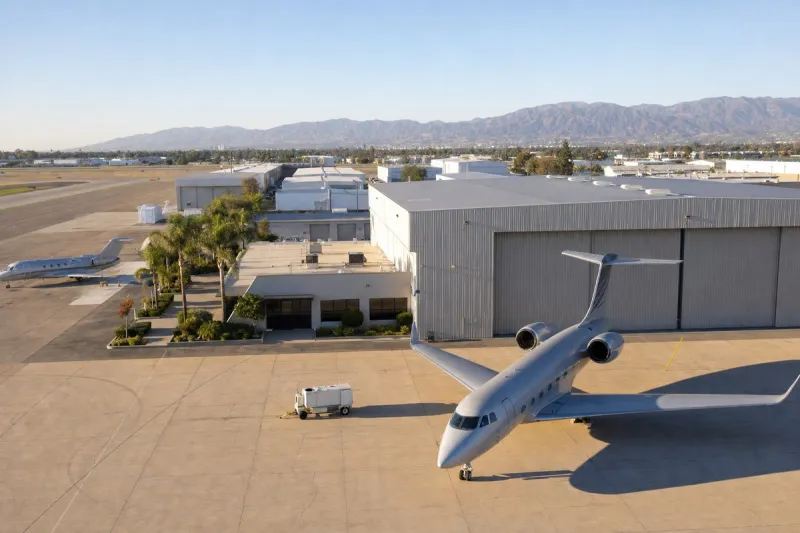
Funding comes from three sources: $600,000 in federal grants, $950,000 from the Oklahoma Department of Aerospace and Aeronautics (ODAA), and $950,000 from the City of Okmulgee. City Manager Rickey Pearson noted that the airport had previously used office space attached to a former private 6,000-sq-ft hangar built in the 1960s, which can accommodate up to midsize jets; the facility was returned to the city by its owner after they sold their aircraft.
Okmulgee Mayor Mickey Baldwin said, "This new terminal will be something the entire Okmulgee community can be proud of. For many people who arrive here by air, this airport is their first impression of our city." ODAA Airports Division Manager Nick Young said, "We're not simply building a new terminal; we're giving Okmulgee Regional Airport the infrastructure it needs to better serve businesses, pilots, and visitors for decades to come."
Industry impact & what to watch
Small regional airports frequently operate out of buildings never designed as terminals, and Okmulgee's move from a converted 1960s hangar office to a dedicated facility illustrates how that gap gets closed only when multiple funding sources align. Here, federal, state and municipal dollars each covered a distinct share of the $2.5 million cost, a structure common to general aviation airport upgrades that lack the passenger volume to justify airline or private financing alone.
The project also shows how state aerospace agencies frame these investments: ODAA's Nick Young described the terminal as infrastructure meant to serve businesses, pilots and visitors, tying a single facility upgrade to broader economic-development goals for the surrounding community. Whether that framing translates into higher aircraft traffic or new based operators at Okmulgee will depend on factors the current announcement does not address.
With construction expected to take about a year, the next milestone to watch is completion and opening of the new terminal, which will show whether the added parking, lighting and security features noted in the plans meet the needs the city and state have described.