House Transportation Committee Advances Aviation, Cybersecurity, and Disaster Relief Bills by Voice Vote
Why It MattersBundling narrow aviation, cybersecurity, and disaster-relief measures into one voice-vote package lets committees move technical fixes forward without forcing lawmakers to take individually contested positions.
What happened
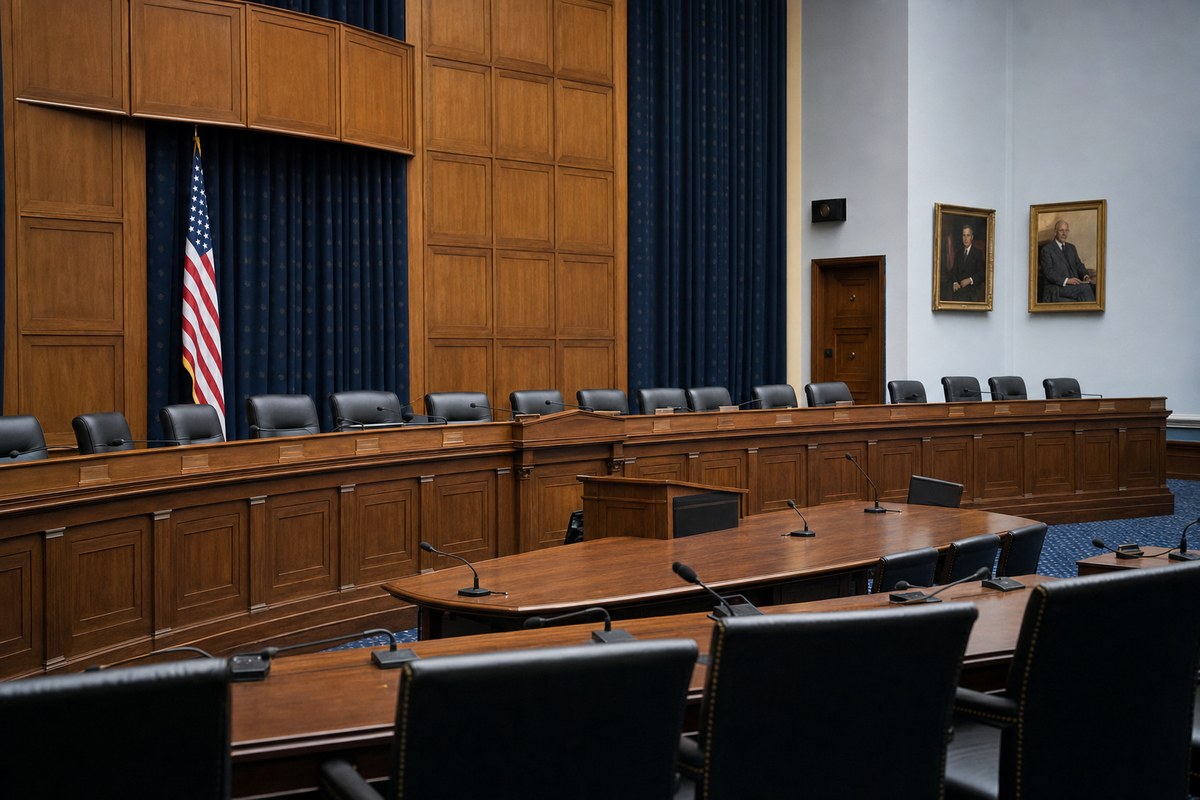
The House Transportation and Infrastructure Committee advanced a package of 15 measures by voice vote, with Rep. Rick Crawford (R-AR) serving as vice chair of the committee. The committee approved amendments in the nature of a substitute to each bill before sending the package toward potential consideration by the full House.
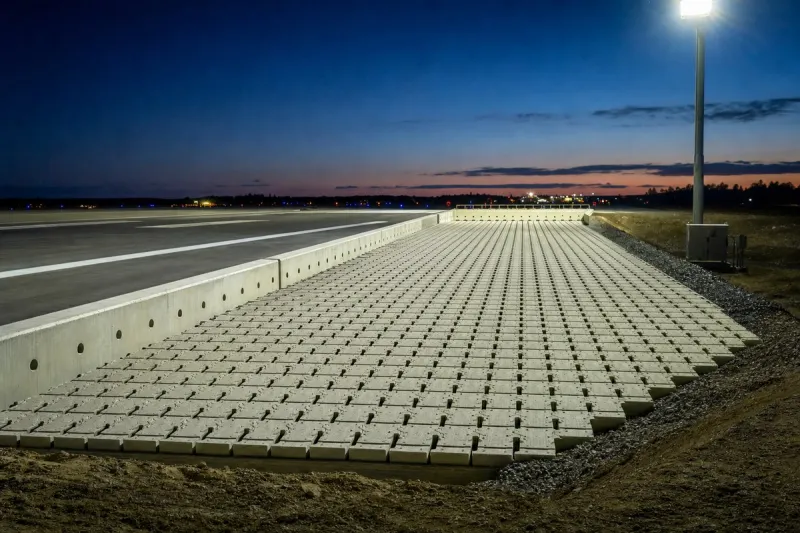
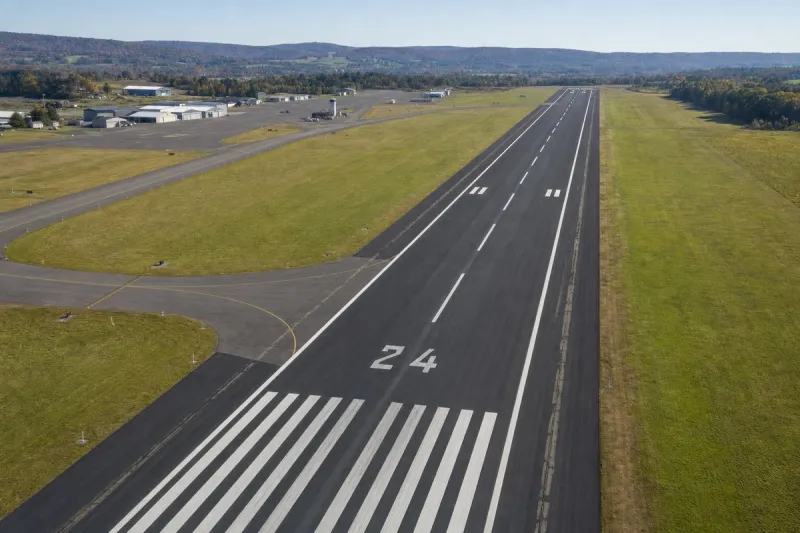
Among the aviation measures, H.R. 10304 would direct the Federal Aviation Administration (FAA) to develop and maintain a safety statement outlining laws, airspace restrictions, and other requirements applicable to small unmanned aircraft system operations. H.R. 6448 addresses infrastructure needs at rural airports, while additional bills in the package cover aviation medication transparency, air traffic situational awareness, and certification processes for new aviation technologies.
Beyond aviation, H.R. 7625 addresses the Coast Guard's cybersecurity responsibilities within the marine transportation system, and H.R. 8409 would extend the appeal period for Federal Emergency Management Agency (FEMA) disaster assistance decisions from 60 to 90 days. H.R. 10305 would strengthen oversight of the federal government's real estate portfolio, including by requiring the Office of Management and Budget and the General Services Administration (GSA) to provide space-utilization data to the Government Accountability Office and the Public Buildings Reform Board. Several GSA resolutions were also included among the measures advanced.
Industry impact & what to watch
This is a routine committee-stage step in the legislative process: a broad slate of aviation, maritime, and property-management bills cleared by voice vote, meaning no recorded opposition emerged at this stage. Voice-vote passage of a 15-bill package typically signals items that drew broad bipartisan support in committee, though it says nothing about how the full House or Senate will treat them.
For operators and manufacturers tracking drone rules, H.R. 10304 would give the FAA a formal vehicle for centralizing small unmanned aircraft system requirements, which could shape how compliance information is communicated once implemented. Rural airport infrastructure and FEMA appeal-period extensions address separate constituencies but move through the same bundled process.
The measures now depend on scheduling by full House leadership, and their fate in the Senate remains a separate and later question. Whether any of the aviation-specific bills gain traction independently, or continue to move only as part of this bundled package, is the detail to track next.