FAA Expands Data-Driven Tools to Forecast Flight Delays Several Hours in Advance
Why It MattersExtending predictive lead time shifts national airspace management from reacting to congestion toward pre-positioning aircraft and schedules around foreseeable capacity constraints.
What happened
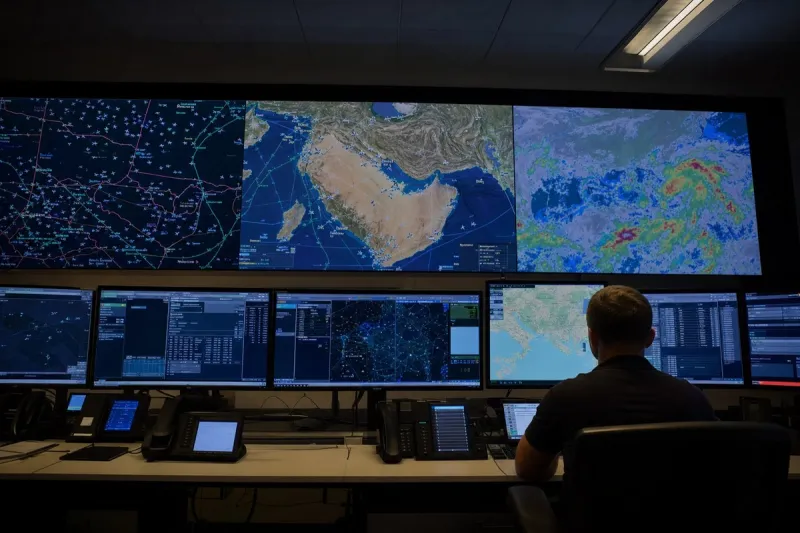
The Federal Aviation Administration is expanding data-driven tools designed to predict flight delays several hours before they occur, aiming to give airlines, dispatchers, and airports more time to respond before disruptions cascade across the national airspace system. The effort centers on newer air traffic management software focused on identifying developing constraints earlier than traditional methods, anticipating not just that delays will occur but where they will form and how they may propagate across routes, airports, and time windows.
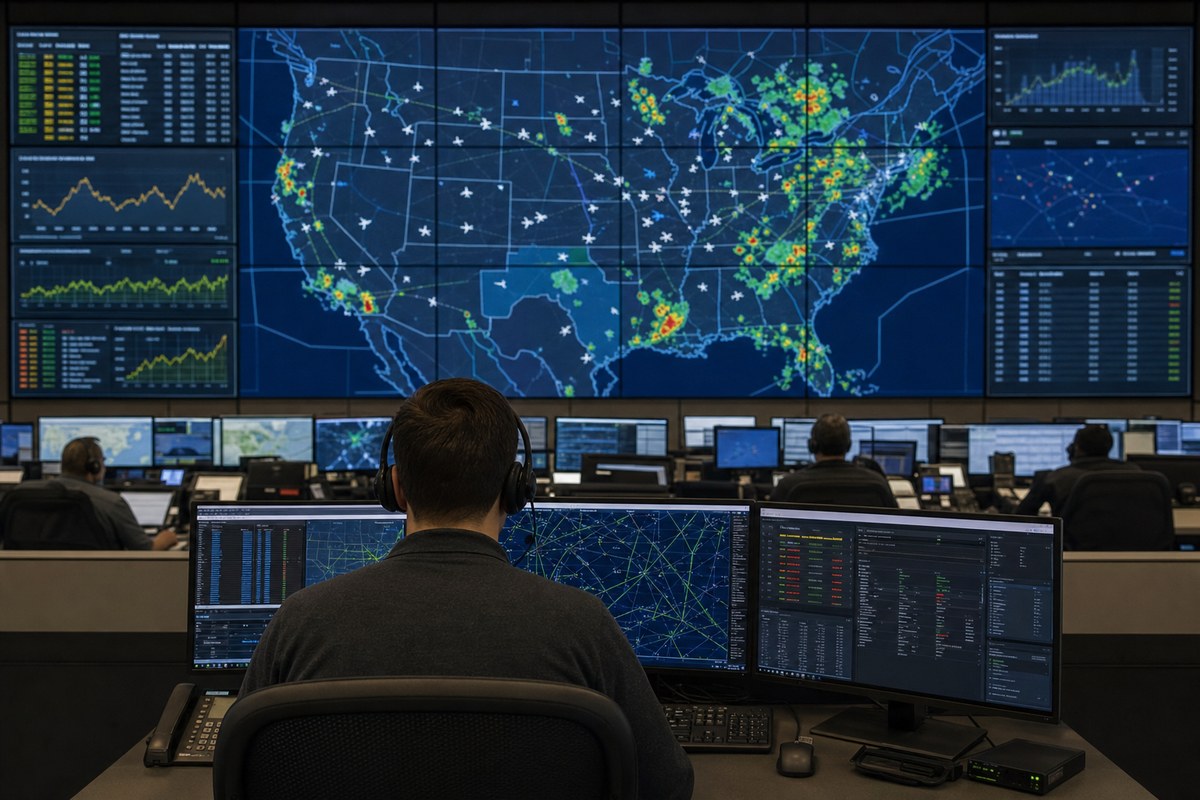
Three systems underpin the effort. The Traffic Flow Management System (TFMS) generates demand forecasts from the current time to several hours ahead. Time Based Flow Management (TBFM) sequences arrivals using time targets to smooth flows when demand exceeds capacity. The Terminal Flight Data Manager (TFDM) Surface Metering program integrates airport surface surveillance and operational data with TBFM and TFMS to manage aircraft movement from gate to runway. FAA NextGen program initiatives describe efforts to extend short-range predictive weather products beyond the current two-hour window to a 2-to-8-hour lead time for convective weather events, since weather remains the dominant driver of major delay days in the United States, particularly during summer thunderstorm season when airport arrival rates can drop sharply.
The FAA states that its forecasts are probabilistic, and that communicating confidence levels — risk windows rather than binary on-time guarantees — is a stated goal. The FAA also acknowledges limits: sudden runway closures, rapidly developing storms, equipment outages, and unexpected airspace restrictions remain difficult to predict hours in advance.
Industry impact & what to watch
This effort belongs to a broader shift in air traffic management from flagging delays as they happen toward forecasting where and when capacity constraints will emerge. Ground delay programs, which hold departing flights at origin airports until a congested destination can accommodate them, illustrate how the segment already works: capacity mismatches are managed by controlling departure timing rather than by adding capacity, and better lead time lets that control be applied earlier and with more precision, reducing scenarios where boarded aircraft wait indefinitely at the gate.
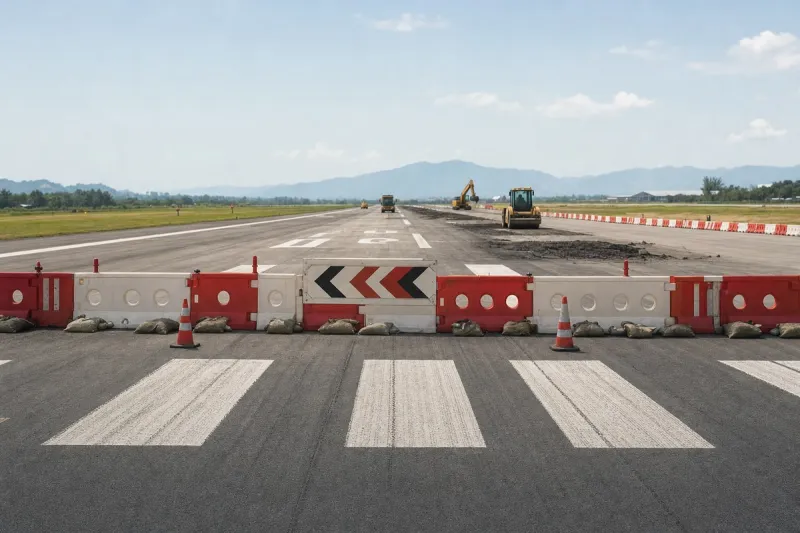
The gains are uneven by cause. The FAA's own framing separates foreseeable constraints — planned runway work, known capacity reductions, holiday demand surges, broad weather patterns already in development — from sudden events like unplanned runway closures or fast-developing storms, where extended forecasting offers little help. That distinction sets a ceiling on how much smoother summer thunderstorm season can realistically become even as the tools mature.
For airlines, earlier probabilistic windows create room for preemptive schedule adjustments, swapped aircraft assignments, and proactive rebooking before missed-connection volumes build; for passengers, the practical signal is earlier notification of schedule changes and steadier estimated departure times on high-risk weather days. Whether that materializes will show up in a specific place: whether airlines begin publishing proactive schedule adjustments earlier on high-risk weather days, and whether large-scale disruptions become less sudden across the national airspace system in the seasons ahead.