Airspace Redesigns and New ATM Technology Target European Air Traffic Congestion
Why It MattersCross-border coordination among ANSPs is becoming central to European airspace capacity, with shared technology platforms and redesigned sectors emerging as the main levers for handling traffic growth.
What happened
Eurocontrol, the intergovernmental organisation whose jurisdiction covers the European Union plus countries including Iceland and Turkey, is pushing for more cross-border airspace design changes. A Eurocontrol spokesperson said airspace should be designed around traffic flows and network performance instead of national boundaries.
France's government-owned Directorate of Air Navigation Services (DSNA) has redistributed airspace responsibilities in its upper airspace near the borders with Germany, Luxembourg and Switzerland, adding one route and increasing capacity, according to DSNA Director Frédéric Guignier. DSNA has also implemented free route airspace (FRA) across all French upper airspace above 30,500 ft, enabling airlines to fly more directly across a seamless 2-million-km² area within the Functional Airspace Block Europe Central.
In the United Kingdom, NATS — a public-private partnership 48.9% owned by the UK government and 41.9% by airlines — has implemented time-based separation at London Gatwick Airport. The system, developed jointly with Leidos, dynamically calculates spacing by time instead of fixed distance intervals. NATS says Gatwick was the first single-runway airport in the world to adopt the method, saving an estimated 11,000-19,000 metric tons of carbon dioxide per year and increasing capacity in adverse weather. NATS has also implemented free route airspace across all Scottish upper airspace.
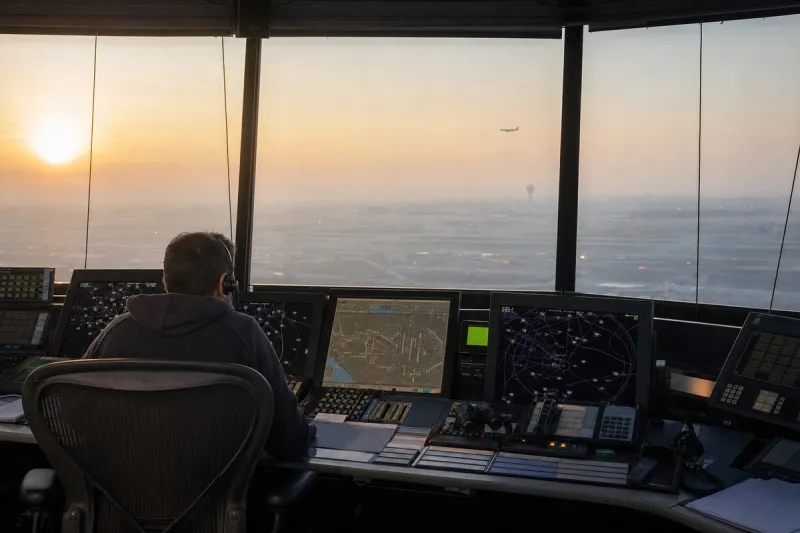
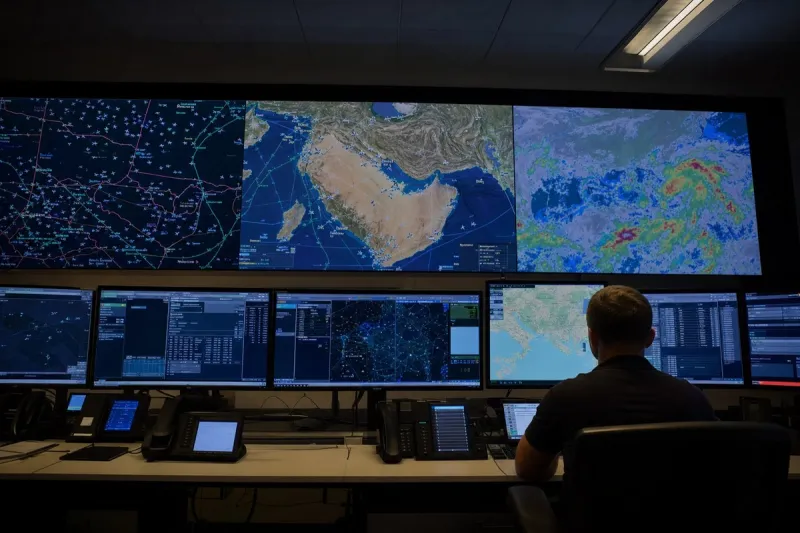
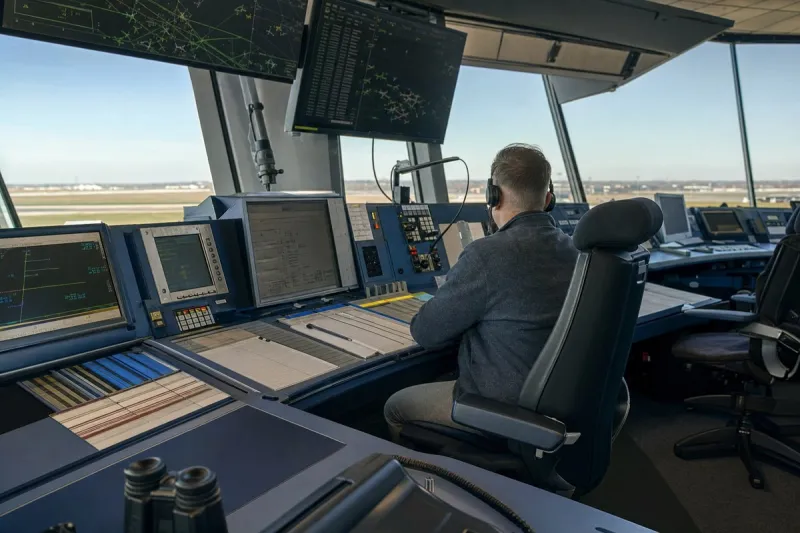
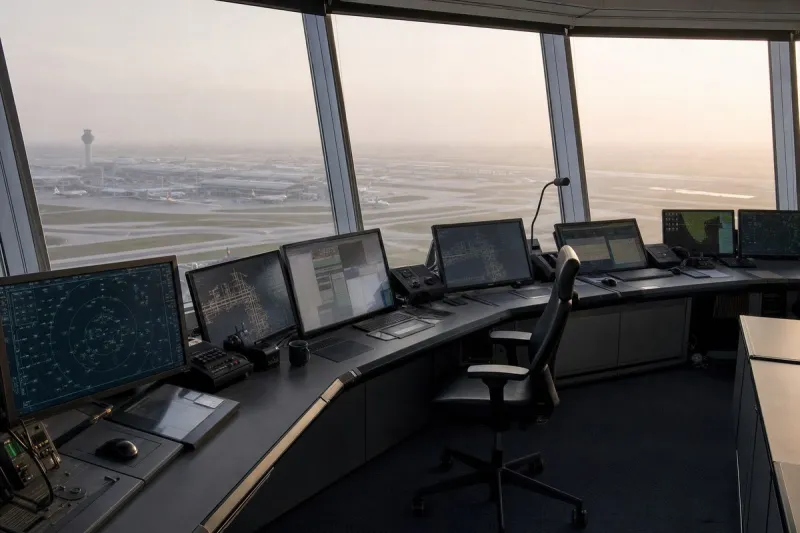
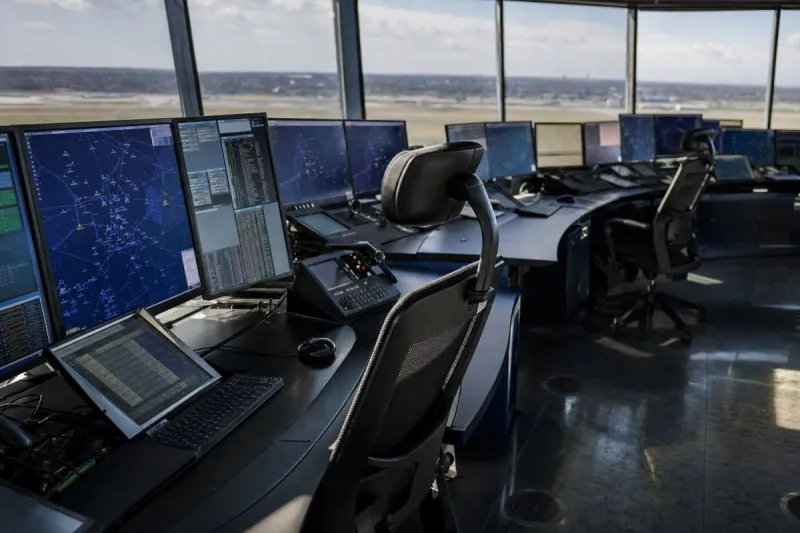
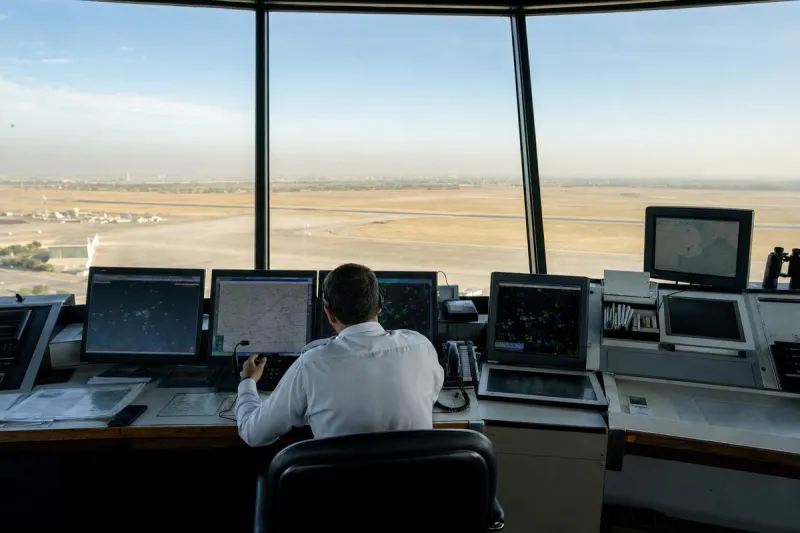
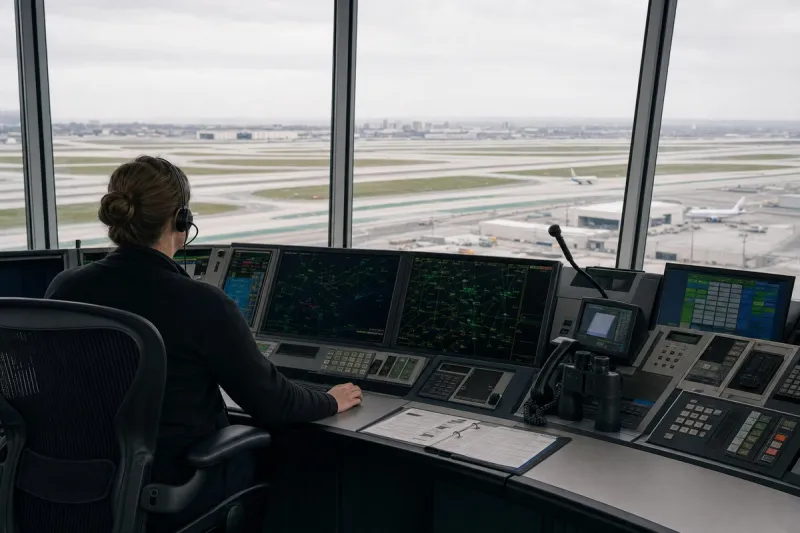
On the technology front, the iTEC Alliance — comprising seven European ANSPs and Nav Canada, with Spain's Indra as principal technology supplier — is developing iTEC SkyNex, a new-generation air traffic management system. iTEC Director Marcel Bakker said the platform could equip 27 control centres preparing to replace legacy environments. Indra is expected to deliver the first version of iTEC SkyNex later this year, with a second version planned for 2028. Decision-support tools within SkyNex will warn controllers of potential trajectory conflicts up to 10 minutes in advance and propose solutions such as a minor trajectory adjustment before intervention becomes necessary. The iTEC Alliance coordinates with Coopans, a partnership among the ANSPs of Austria, Croatia, Denmark, Ireland, Portugal and Sweden, with Thales as an industry partner; both groups share development costs instead of procuring bespoke systems separately.
Industry impact & what to watch
This activity belongs to a broader effort among European ANSPs to treat airspace as a shared network resource instead of a set of nationally bounded sectors, since traffic flows rarely respect borders. Free route airspace and cross-border redistribution, as seen in France and Scotland, show how capacity gains can come from redesigning who controls what airspace without adding infrastructure. Time-based separation at Gatwick demonstrates a similar principle applied to a single runway: recalculating spacing dynamically instead of relying on fixed distances can raise throughput and cut emissions simultaneously.
The iTEC SkyNex programme signals how ATM modernization increasingly runs through shared platforms rather than country-by-country procurement, with seven ANSPs plus Nav Canada pooling development costs around a common supplier. Trajectory-based operations depend on this kind of shared tooling because conflict prediction and controller decision support only scale efficiently when built once and deployed across many centres.
What happens next depends on Indra's delivery of the first iTEC SkyNex version later this year and how the 27 candidate control centres respond once that version is available, with the second release due in 2028 setting the following checkpoint.